

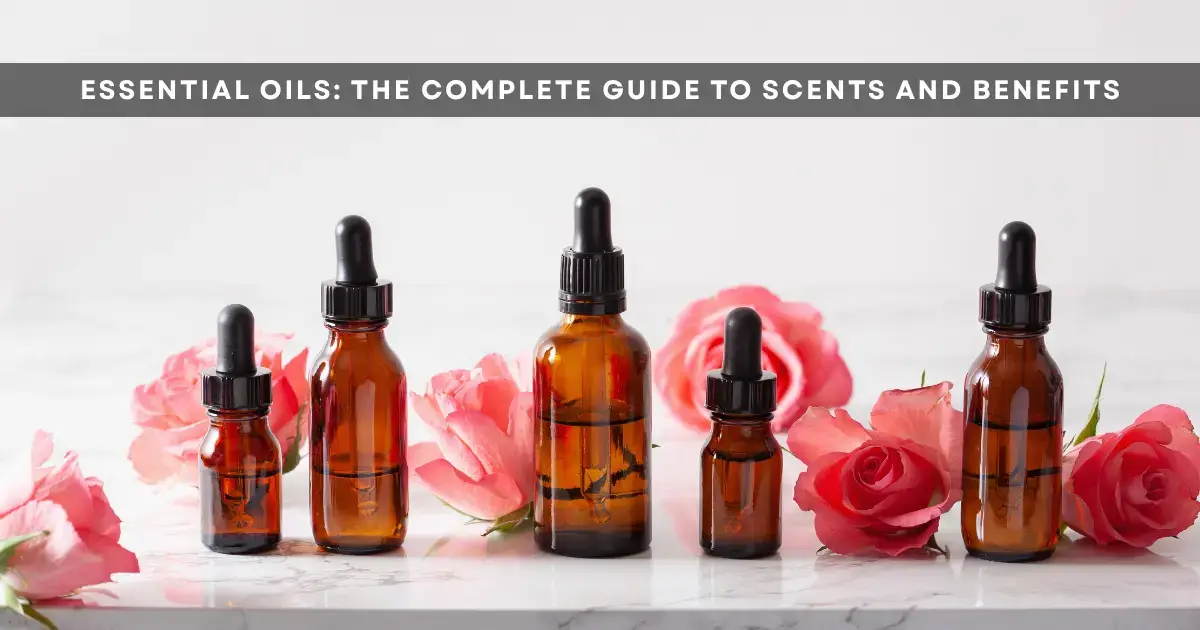
The world of Scent is vast and deeply personal. A single aroma can transport you back to a cherished memory, alter your mood, or define your personal space. At the heart of this aromatic world are the best Essential Oils, the pure, concentrated essences extracted from plants.
These potent liquids are more than just pleasant smells. They are the foundation of aromatherapy and a cornerstone of natural wellness, offering a spectrum of benefits that can enhance your physical, mental, and emotional well being.
This guide will navigate you through the intricate universe of the best Essential Oils, from understanding their origins to mastering their use in your daily life.
We will explore how these natural extracts form the basis of a complex perfume language and how they can be blended to create a unique oil fragrance for any setting.
What Are Essential Oils?
Before diving into their uses, it is crucial to understand what Essential Oils are. Simply put, they are highly concentrated compounds extracted from various parts of a plant, including the flowers, leaves, bark, roots, and seeds.
These compounds are what give a plant its characteristic aroma and are also responsible for its protective and regenerative properties. The extraction process is key to preserving the integrity of the oil.
Common methods include steam distillation, cold pressing, and solvent extraction, each chosen based on the specific plant material.
The result is a powerful oil that captures the plant’s “essence.” For example, it takes about 242,000 rose petals to distill just 5 ml of rose essential oil.
This concentration is why these oils are so potent and must be used with care. Unlike synthetic fragrance oils, which are created in a lab, true essential oils are completely natural.
This distinction is vital for those seeking therapeutic benefits, as only pure oils contain the complex chemical constituents that interact with our bodies to promote wellness.
A Journey Through Scent: The Major Families
The best Essential oils can be categorized into several fragrance families. Understanding these categories helps in blending and selecting the right oil for your needs.
It is the first step in learning the nuanced perfume language that allows you to craft your own signature aromas.
Floral
Perhaps the most beloved category, floral oils are derived from flowers and are known for their sweet, romantic, and uplifting aromas.
This family is the heart of many classic perfumes and forms the backbone of the most sought after women’s fragrance oil blends. Popular floral oils include Lavender, Rose, Jasmine, Ylang Ylang, and Geranium.
They are often used to reduce stress, promote relaxation, and balance emotions. A well crafted floral perfume can evoke feelings of joy and tranquility.
Citrus
Bright, zesty, and energizing, citrus oils are extracted from the peels of fruits like Lemon, Orange, Bergamot, Grapefruit, and Lime. These oils are celebrated for their mood boosting and purifying properties.
A few drops in a diffuser can instantly refresh a room and uplift your spirits. Their clean and invigorating Scent makes them a staple in natural cleaning products and energizing aromatherapy blends.
Woody
Woody oils offer deep, earthy, and grounding aromas. Sourced from trees and shrubs, this family includes Cedarwood, Sandalwood, Frankincense, and Vetiver.
These oils are often used in meditation and mindfulness practices to promote a sense of stability and calm. Their rich, warm notes add sophistication and depth to fragrance blends, making them a popular choice for creating a personal oil fragrance that feels both grounding and luxurious.
Herbaceous
Herbaceous oils have a fresh, green, and slightly medicinal aroma, reminiscent of a garden. This category includes Rosemary, Peppermint, Basil, and Marjoram. Known for their clarifying and stimulating effects, they are excellent for improving focus, clearing the mind, and supporting respiratory health. Peppermint, in particular, is widely used for its invigorating properties and ability to soothe headaches.
Spicy
Warm, stimulating, and exotic, spicy oils are derived from plant spices. Cinnamon, Clove, Nutmeg, and Ginger fall into this family. These oils are often associated with comfort and warmth, making them popular during colder months. They are known for their stimulating and purifying properties. When used in a blend, they add a fiery, complex layer that is both comforting and invigorating.
Earthy
Earthy oils, like Patchouli and Vetiver (which also fits in the woody category), have rich, musky, and grounding scents. They connect us to the earth and are often used to create a sense of peace and stability. Patchouli, with its distinctively deep aroma, has long been a favorite in perfumery for its ability to add a complex, long lasting base note.
The Therapeutic Benefits of Essential Oils
The primary allure of essential oils lies in their wide array of therapeutic benefits, a practice known as aromatherapy. When we inhale an essential oil, its aromatic molecules travel from the olfactory nerves directly to the brain’s limbic system. This area controls emotions, memory, and behavior. This direct connection is why a particular Scent can trigger such a powerful and immediate response.
Stress and Anxiety Relief
The best essential oils are renowned for their calming effects. Lavender is perhaps the most famous, with numerous studies supporting its ability to reduce anxiety and improve sleep quality. Other calming oils include Chamomile, Bergamot, and Ylang Ylang. Diffusing these oils or adding a few drops to a warm bath can create a serene sanctuary and melt away the stresses of the day.
Mood Enhancement
Just as some oils calm, others can uplift and energize. Citrus oils like Lemon and Sweet Orange are excellent for boosting mood and combating feelings of sadness or lethargy. Their bright, cheerful aromas can bring a sense of optimism and vitality. Combining them with a hint of Peppermint can create a powerful blend to help you start your day with energy and focus.
Improved Sleep
For those struggling with sleepless nights, The best essential oils offer a natural solution. Lavender, Cedarwood, and Vetiver are all known to promote relaxation and deeper sleep. Creating a pillow spray with these oils or diffusing them in your bedroom before sleep can help quiet the mind and prepare the body for rest.
Skin and Hair Care
The best Essential oils are potent ingredients in natural beauty. Tea Tree oil is celebrated for its antibacterial properties, making it effective for acne prone skin. Frankincense and Rose are prized for their anti aging benefits, helping to rejuvenate skin and reduce the appearance of fine lines.
Rosemary oil is often used in hair care to stimulate the scalp and promote healthy hair growth. Many people are turning away from synthetic products and choosing a natural women’s fragrance oil for both its aroma and skin benefits.
Finding a Fragrance for Every Occasion
One of the most enjoyable aspects of using essential oils is creating custom blends. You can become your own perfumer, crafting the perfect fragrance for every occasion.
For a productive workday, a blend of Rosemary and Lemon can enhance focus and concentration. For a romantic evening, a sensual mix of Jasmine, Sandalwood, and Ylang Ylang can set a beautiful mood.
During the holidays, a warm and inviting blend of Cinnamon, Clove, and Orange can fill your home with festive cheer. The possibilities are endless.
This creative process allows you to develop a personal scent library, ensuring you always have the perfect aroma on hand, whether you need to relax, focus, or celebrate. The art of blending is about finding a fragrance for every occasion that resonates with you personally.
How to Use Essential Oils Safely
Given their potency, it is vital to use the best essential oils safely and responsibly.
- Dilution is Key: Never apply undiluted essential oils directly to your skin. They are highly concentrated and can cause irritation or sensitization. Always dilute them with a carrier oil, such as jojoba, coconut, or almond oil. A general rule of thumb is a 2% dilution for adults, which is about 12 drops of essential oil per one ounce of carrier oil.
- Patch Test: Before using a new essential oil on your skin, perform a patch test. Apply a small amount of the diluted oil to a discreet area, like your inner elbow, and wait 24 hours to check for any adverse reaction.
- Diffusion: A diffuser is one of the safest and most effective ways to enjoy the aromatic benefits of essential oils. It disperses a fine mist of water and oil into the air, allowing you to inhale the therapeutic molecules.
- Internal Use: Ingesting the best essential oils should only be done under the guidance of a qualified healthcare professional or a certified aromatherapist. Not all oils are safe for internal use, and dosage is critical.
- Special Considerations: Be extra cautious when using essential oils around children, pregnant women, and pets. Some oils are not safe for these sensitive groups. Always do your research and consult with a professional if you have any concerns.
Building Your Own Collection: From Basics to Luxury
Starting your essential oil journey does not require a huge investment. A basic starter kit could include versatile oils like Lavender for relaxation, Lemon for cleaning and mood boosting, Peppermint for energy, and Tea Tree for its cleansing properties.
As you become more familiar with these oils, you can expand your collection. You might explore the world of luxury oils, which are often more expensive due to the difficulty of extraction.
Oils like Rose, Jasmine, Sandalwood, and Neroli are considered staples in high end perfumery. These oils are often the secret behind the Best Luxury Perfumes for Her, providing unparalleled depth and complexity.
Creating your own blends with these precious oils allows you to craft a signature oil fragrance that rivals many designer scents. You can experience the joy of making something that feels like one of the Best Luxury Perfumes for Her, but is uniquely yours.
Conclusion
The Best Essential Oils offer a gateway to a more natural and aromatic way of living. They are powerful tools for enhancing well being, from soothing a troubled mind to purifying your living space.
By understanding the different fragrance families, their therapeutic benefits, and safe usage practices, you can unlock their full potential.
Whether you are diffusing Lavender for a peaceful night’s sleep, using Lemon to brighten your home, or blending Rose and Sandalwood for a personal perfume, these botanical treasures connect us to the healing power of nature.
They empower you to become fluent in a new Scent based language, creating a world of personalized aroma that supports your health and enriches your daily experienc
| Question | Answer |
|---|---|
| What are essential oils? | Essential oils are concentrated plant extracts that capture the natural scent and beneficial properties of flowers, herbs, or trees. |
| How are essential oils used? | They can be used in aromatherapy, massage, skincare, or diffused into the air to promote relaxation and wellness. |
| Do essential oils have health benefits? | Yes, many essential oils are known for calming stress, boosting mood, improving sleep, and supporting skin and respiratory health. |
| Are essential oils safe to apply directly to the skin? | Most essential oils should be diluted with a carrier oil before applying to the skin to avoid irritation. |
| Which essential oils are best for relaxation? | Lavender, chamomile, and sandalwood are some of the most popular essential oils for promoting calm and better sleep. |
| Can essential oils be ingested? | Ingesting essential oils is not generally recommended unless guided by a qualified professional, as some oils can be harmful if consumed. |
| How long do essential oils last? | When stored properly in dark glass bottles away from heat and sunlight, most essential oils last between 1 to 3 years. |