

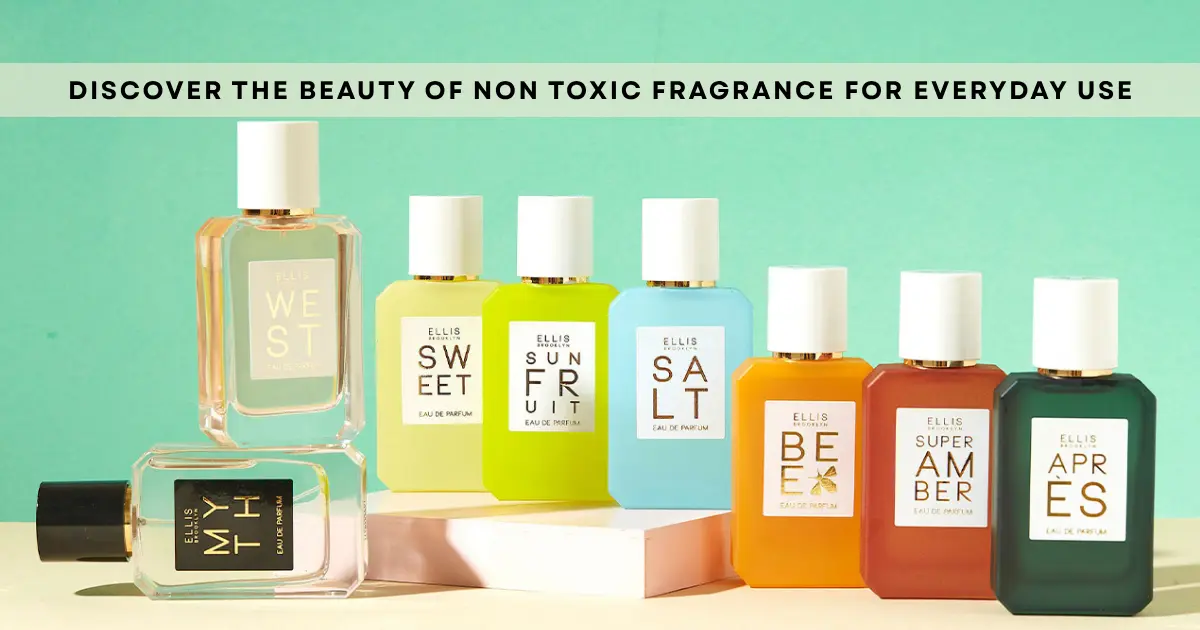
Welcome to the world of non toxic fragrance. You can embrace scents without harsh chemicals. This guide explores beautiful, natural alternatives. We will look at the best Essential Oil options.
The Shift to Natural Scents
People are choosing healthier lifestyles. This includes the perfumes they wear. Many commercial scents contain synthetic ingredients. These can cause skin irritation or allergies.
A non toxic fragrance offers a pure experience. It connects you with nature’s true essence. You can enjoy aromas without worry. It is a mindful choice for your body.
Understanding Non Toxic Fragrance
What makes a fragrance non toxic? It means using natural, safe ingredients. These come from plants, flowers, and woods. Think of pure essential oils and extracts.
A non toxic fragrance is free from phthalates. It avoids parabens and synthetic musks. These ingredients are common in many perfumes. Choosing natural options is better for you.
The Power of Essential Oils
Essential oils are the heart of natural perfumery. They are concentrated plant extracts. Each oil carries a unique, complex scent. They are a wonderful perfume making fragrance.
The best Essential Oil for you depends on your preference. Some people love citrus notes. Others prefer deep, earthy aromas. The variety is truly endless.
Exploring Popular Essential Oils
Let’s dive into some popular choices. Lavender is known for its calming properties. Its gentle scent is perfect for daily wear. It is a classic floral scent.
Rose oil is another cherished option. It smells luxurious and romantic. Lemon oil offers a fresh, uplifting aroma. It is great for a morning energy boost.
The Allure of Sandalwood
Sandalwood essential oil is a beloved scent. It has a rich, woody, and creamy aroma. This oil is known for its grounding effects. It brings a sense of calm and peace.
Many people use sandalwood essential oil in meditation. Its scent helps focus the mind. It also blends beautifully with other oils. It adds depth and warmth to any perfume.
For a sophisticated non toxic fragrance, sandalwood is key. It provides a long lasting base note. This makes your custom scent linger pleasantly. It’s a timeless and elegant choice.
Sandalwood essential oil is a versatile ingredient. Use it alone for a simple, earthy scent. Or, combine it for a complex perfume. Its popularity in perfumery is well deserved.
Creating Your Own Perfume
Making your own perfume is a rewarding process. You become the creator of your signature scent. It allows for complete control over ingredients. This is perfect for a non toxic fragrance.
You will need a few basic supplies. Carrier oils are essential for dilution. You’ll also need a selection of essential oils. Glass roller bottles are great for application.
Your imagination is the only limit. You can experiment with different blends. Find what truly speaks to your soul. This is the art of perfume making fragrance.
The Role of Body Oil for Perfume
A carrier oil is crucial for safety. It dilutes potent essential oils. This makes them safe for skin application. A good body oil for perfume is key.
Jojoba oil is an excellent choice. Its structure is similar to our skin’s sebum. It absorbs quickly without a greasy feel. This makes it a popular body oil for perfume.
Fractionated coconut oil is another option. It is lightweight and has no scent. This allows your essential oils to shine. Sweet almond oil is also very nourishing.
Using a body oil for perfume has benefits. It moisturizes your skin while you wear your scent. This creates a beautiful, dual purpose product. Your skin will feel soft and smell amazing.
The right body oil for perfume enhances your scent. It helps the fragrance last longer. It’s a fundamental part of your creation process.
Floral Scents in Natural Perfumery
The classic floral scent is always in style. Flowers offer a wide range of aromas. From delicate jasmine to bold ylang ylang. There is a flower for every preference.
Geranium provides a rose like, green aroma. Neroli, from orange blossoms, is sweet and honeyed. A good floral scent can uplift your mood. It connects you to the beauty of nature.
A beautiful floral scent can define a perfume. It often forms the heart of a fragrance blend. Layering different florals creates complexity. The result is a unique and personal scent.
Creating a perfume with a floral scent is joyful. It is like bottling a garden’s essence. This natural beauty is hard to replicate synthetically. It’s a pure and authentic experience.
Understanding Perfume Fragrance Oil
What is a perfume fragrance oil? It is a concentrated scent blend. It can be natural or synthetic. For our purposes, we focus on natural oils.
A natural perfume fragrance oil uses essential oils. It may also include absolutes and resins. These are all derived from plant sources. They are the building blocks of your perfume.
When selecting a perfume fragrance oil, read labels. Ensure it is 100% natural and pure. Avoid products with undisclosed ingredients. Transparency is key for a non toxic fragrance.
A high quality perfume fragrance oil is potent. A little goes a long way in your blends. This makes it a cost effective choice. You can create many perfumes from one bottle.
An Introduction to Bakhoor
Bakhoor is a traditional Middle Eastern incense. It consists of scented wood chips. These chips are soaked in fragrant oils. The wood is often agarwood, or oud.
When heated, Bakhoor releases a rich smoke. The aroma is deep, complex, and luxurious. It is used to perfume homes and clothing. It creates a welcoming and opulent atmosphere.
The experience of Bakhoor is unique. It is more than just a scent. It is a ritual that has been practiced for centuries. It fills a space with a captivating fragrance.
You can find Bakhoor with various scent profiles. Some are woody and smoky. Others are sweet and floral. It is a beautiful way to explore traditional perfumery.
How to Make Your Own Perfume: A Simple Guide
Ready to start your perfume making journey? Let’s begin with a simple recipe. You will need a 10ml roller bottle. You’ll also need a carrier oil.
Choose your favorite body oil for perfume. Jojoba or sweet almond oil works well. Fill the roller bottle almost to the top. Leave a little space for the essential oils.
Now, it is time for the scent. This is where your perfume making fragrance comes in. Let’s create a balanced blend. We will use top, middle, and base notes.
For a classic scent, try this. Add 2 drops of sandalwood essential oil as a base. Then add 5 drops of rose oil for the middle. Finish with 3 drops of bergamot for the top.
Perfume Notes Explained
Perfumes are composed of different notes. These notes unfold over time. They create a layered scent experience. Understanding them is key to perfume making fragrance.
Top notes are the first you smell. They are light and evaporate quickly. Citrus and herbal scents are common top notes. They provide the initial impression.
Middle notes emerge after the top notes fade. They are the heart of the perfume. Floral and spicy scents are often middle notes. They give the fragrance its main character.
Base notes are the final scent to appear. They are deep and long lasting. Woods, resins, and musks are base notes. They provide depth and anchor the fragrance.
Choosing the Best Essential Oil
How do you pick the best Essential Oil? Start by thinking about the scents you love. Do you prefer fresh, floral, or earthy aromas? This will guide your initial selections.
Research the properties of different oils. Some are uplifting, while others are calming. The best Essential Oil for you aligns with your needs. It can be for mood, focus, or relaxation.
Quality is paramount when choosing oils. Look for pure, therapeutic grade essential oils. This ensures you get a true and potent scent. It is vital for a beautiful final product.
The best Essential Oil blends are personal. Experiment by smelling different oils together. See how they interact. This process of discovery is part of the fun.
The Art of Blending
Blending is where the magic happens. It is about creating harmony between scents. Start with small quantities to test your ideas. A few drops on a cotton ball work well.
A good rule is the 1, 2, 3 ratio. Use one part base note. Then two parts middle note. Finally, three parts top note. This is a classic perfumery guideline.
Let your blend sit for a day or two. The scents will meld and evolve. What you smell initially may change. Patience is an important part of the process.
Keep a notebook to record your blends. Write down the number of drops for each oil. This helps you recreate your favorite scents. It also helps you learn from your experiments.
Exploring Different Scent Families
There are several main scent families. Understanding them helps in creating balanced perfumes. Each family has a distinct character. They can be blended for complexity.
The floral family is vast and popular. It includes everything from rose to lily. The citrus family is fresh and zesty. Think lemon, orange, and grapefruit.
The woody family is warm and grounding. It features scents like sandalwood and cedarwood. The spicy family is warm and exotic. Think cinnamon, clove, and nutmeg.
The oriental family is rich and sensual. It includes vanilla, amber, and musk. The herbal family is green and natural. Lavender, rosemary, and mint are examples.
A Focus on Perfume Fragrance Oil Quality
The quality of your perfume fragrance oil matters. High quality oils provide a superior scent. They are also safer for your skin. It is worth investing in the best you can find.
Look for oils from reputable suppliers. They should provide information on sourcing. They should also detail the extraction method. This transparency indicates a good product.
Avoid oils labeled simply as “fragrance oil.” These are often synthetic. They will not provide the benefits of natural oils. Stick to pure essential oils and absolutes.
A pure perfume fragrance oil is an investment. It is an investment in your health. It is also an investment in your craft. The results will speak for themselves.
Embracing a Toxin Free Lifestyle
Choosing a non toxic fragrance is part of a larger picture. It is a step towards a healthier lifestyle. It means being conscious of what you put on your body. This mindfulness can extend to all areas of life.
Consider other personal care products. Look for natural deodorants, lotions, and soaps. Your skin is your largest organ. It absorbs what you apply to it.
A non toxic fragrance is a beautiful choice. It celebrates nature in its purest form. It allows you to enjoy scent without compromise. It is a gift to yourself and your well being.
Making the switch is easy and enjoyable. The world of natural scents is rich and diverse. There is a non toxic fragrance for everyone. You just have to start exploring.
Conclusion: Your Scent, Your Way
Embracing non toxic fragrance is a beautiful journey. It connects you with the power of plants. It allows you to create a truly personal scent. This scent is free from harmful chemicals.
We explored the best Essential Oil choices. We delved into the beauty of sandalwood essential oil. We learned about using body oil for perfume. The world of perfume making fragrance is at your fingertips.
From a delicate floral scent to the exotic aroma of Bakhoor, the possibilities are endless. You can craft a signature scent that is uniquely you. Enjoy the creative process and the beautiful results. Your journey into natural perfumery starts now.
FAQs
| Question | Answer |
|---|---|
| Q1. What is a non toxic fragrance? | A non toxic fragrance uses natural, safe ingredients from plants, flowers, and woods. It avoids synthetic chemicals like phthalates, parabens, and synthetic musks, making it gentler on the skin and safer for daily use. |
| Q2. Can I make my own non toxic perfume at home? | Yes, with carrier oils like jojoba or sweet almond oil and essential oils such as rose, sandalwood, or citrus, you can craft your own signature scent. Experimenting with top, middle, and base notes allows you to create personalized blends. |
| Q3. What are the best essential oils for a natural fragrance? | Popular options include lavender for calming, rose for romance, sandalwood for a woody base, and citrus oils like lemon or bergamot for freshness. The best essential oil depends on your preference and the effect you want from the fragrance. |
| Q4. Why should I use body oil for perfume? | Body oils help dilute essential oils, making them safe for skin application. They also moisturize while extending the longevity of your fragrance, allowing your scent to linger pleasantly throughout the day. |
| Q5. What is Bakhoor and how is it used? | Bakhoor is a traditional Middle Eastern incense made from scented wood chips soaked in fragrant oils. It is burned to release a luxurious, rich aroma that perfumes homes, clothing, or spaces for a unique sensory experience. |