

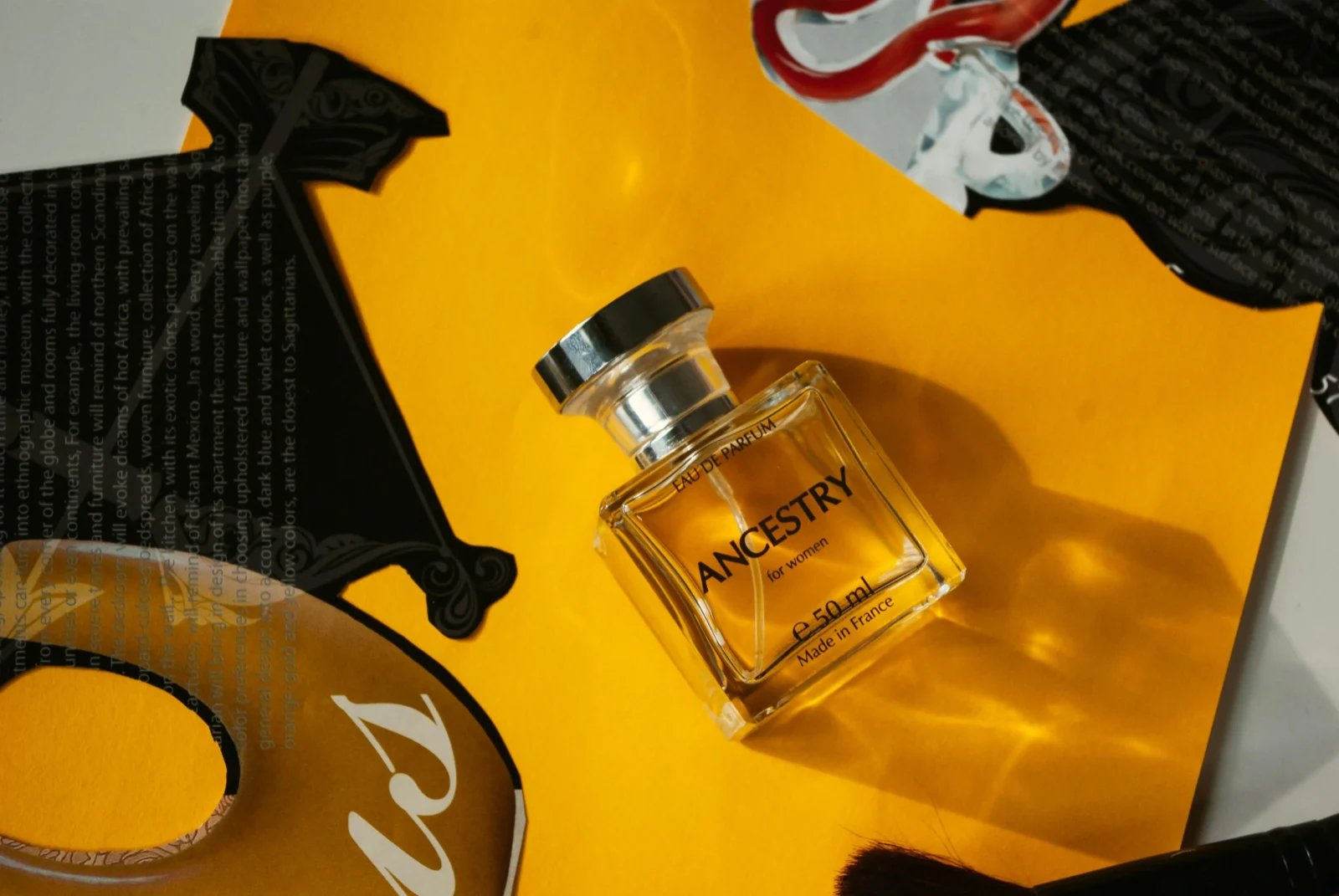
Perfume is one of the most intimate ways we express ourselves. A signature scent can evoke memories, convey personality, and even influence how others perceive us. But with countless options on the market, it can be confusing to understand the nuances between different types of fragrances. One of the most common distinctions is designer vs niche perfumes.
These two worlds of perfumery cater to different tastes, sensibilities, and occasions. While designer perfumes dominate the mainstream and often appeal to broad audiences, niche perfumes offer artisanal craftsmanship, unique compositions, and a sense of exclusivity. Understanding the difference between designer and niche perfumes will help you choose scents that truly reflect who you are. For women exploring timeless elegance, discovering best chypre perfumes for women is a great way to appreciate this distinction.
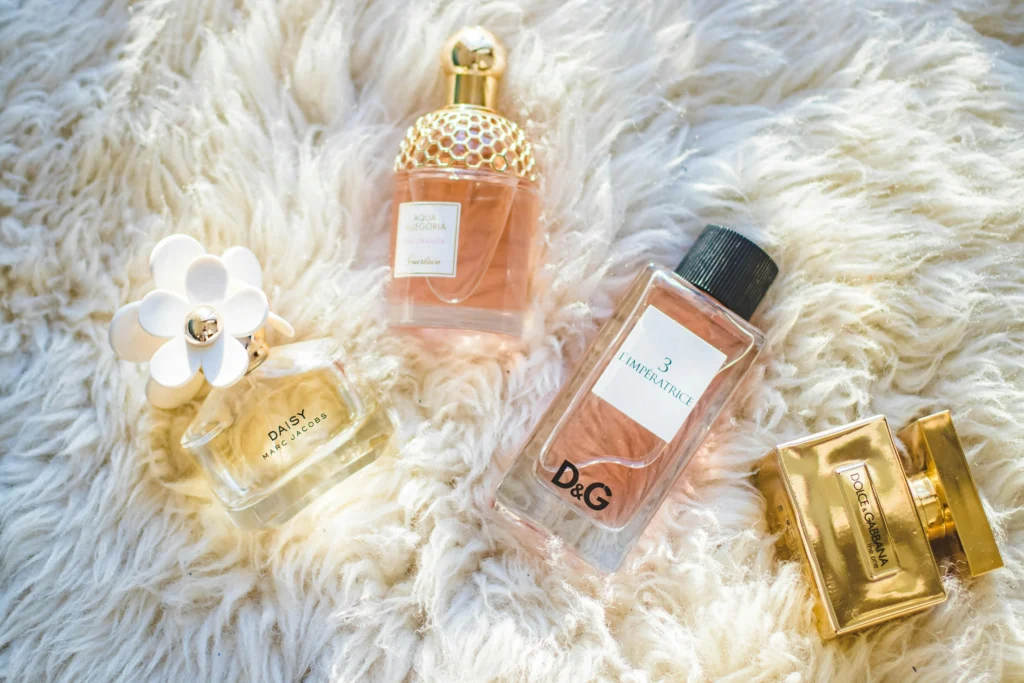
What Are Designer Perfumes
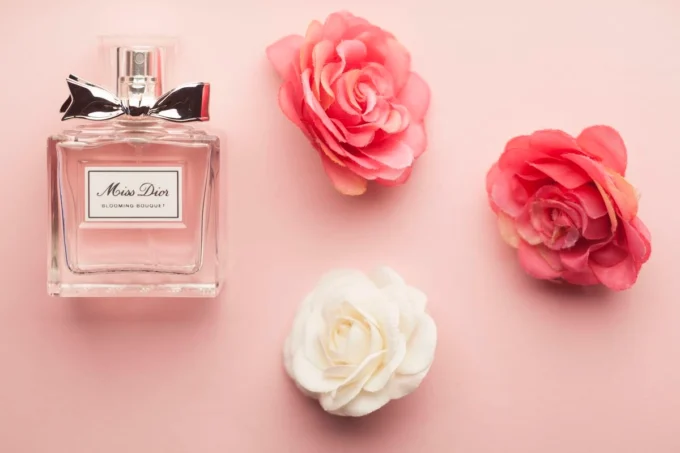
Designer perfumes, also called designer fragrances, are created by large, well-known fashion or luxury brands. Think Chanel, Dior, Gucci, and Prada. These luxury perfume houses often launch fragrances alongside their fashion lines, combining brand identity with mainstream appeal.
Characteristics of Designer Perfumes
- Mass Market Appeal: Designer perfumes are crafted to be widely liked. They are approachable, easy to wear, and versatile.
- Familiar Notes: You’ll often find floral, fruity, or vanilla accords that are universally appealing rather than experimental.
- Consistent Quality: Large production facilities ensure uniformity in scent and quality.
- Accessibility: Designer perfumes are available in boutiques, department stores, and online, making them easy to purchase.
Popular designer perfume brands include Chanel, Yves Saint Laurent, and Giorgio Armani. They often focus on longevity and projection that suits daily wear, while the packaging is elegant, polished, and instantly recognizable.
Designer perfumes can also serve as an introduction to more complex scent structures. For instance, some designer lines feature chypre-inspired compositions reminiscent of the classic chypre by coty, offering subtle sophistication within a mass-market format.
What Are Niche Perfumes
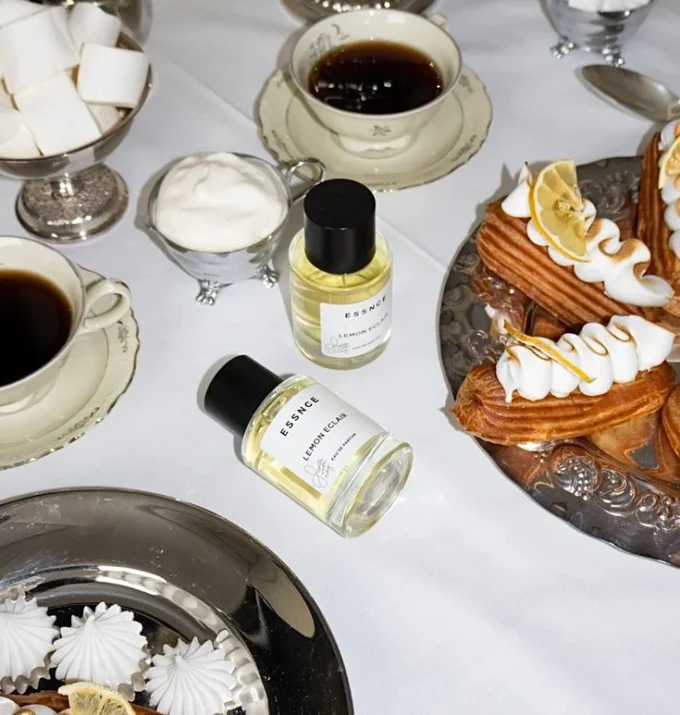
On the other end of the spectrum, niche perfumes, sometimes called artisan perfumes, are produced by smaller, often independent brands that focus solely on fragrances. Niche brands prioritize creativity, innovation, and unique fragrance compositions over mass appeal.
Characteristics of Niche Perfumes
- Exclusivity: Niche perfumes are often produced in limited quantities, making them special and distinctive.
- Complexity: They explore unusual combinations, rare ingredients, and unexpected accords.
- Artisan Craftsmanship: Many niche brands create perfumes with meticulous attention to perfume quality and ingredients, ensuring every bottle reflects their artistic vision.
- Distinct Packaging: Niche perfumes frequently feature unconventional, luxurious, or minimalist designs that emphasize the fragrance itself.
Popular niche fragrance brands include Diptyque, Byredo, Creed, and Frederic Malle. Many of these houses also delve into classic chypre fragrances or modern chypre green variations, offering scents that are daring yet elegant.
Key Differences Between Designer and Niche Perfumes
Understanding designer vs niche fragrances involves looking at several critical factors:
1. Ingredients and Quality
Designer perfumes often use high-quality synthetic and natural ingredients to ensure consistency. Niche perfumes, however, may use rarer natural extracts and innovative materials to create distinct experiences.
2. Scent Complexity
Designer perfumes favor approachable, crowd-pleasing notes. Niche perfumes experiment with unusual accords, offering layered scents that evolve dramatically on the skin.
3. Longevity and Projection
While many designer perfumes are long-lasting, niche perfumes are often formulated with richer oils, making them more enduring. This explains why many people ask why niche perfumes last longer.
4. Creativity and Uniqueness
Designer fragrances are safe and market-tested. Niche perfumes explore artistry and exclusivity, allowing you to wear a truly signature scent.
5. Target Audience
Designer perfumes appeal to a broader audience, perfect for everyday wear and gifting. Niche perfumes attract enthusiasts seeking uniqueness, individuality, and a sense of luxury.
6. Packaging and Presentation
Designer bottles are sleek, iconic, and recognizable. Niche bottles may be minimalist, eccentric, or elegant, designed to reflect the perfume’s personality rather than the brand logo.
7. Pricing
While not a focus here, it’s worth noting that fragrance pricing differences exist due to ingredients, production scale, and exclusivity. Niche perfumes often cost more per milliliter due to rare materials and smaller batch production.
How to Choose Between Designer and Niche Perfumes
Choosing between designer and niche perfumes is a personal decision based on taste, lifestyle, and occasion. Here’s how to approach it:
1. Consider Your Personality
- If you enjoy timeless, universally appealing scents, designer perfumes are ideal.
- If you crave individuality and want to make a statement, niche perfumes may be more satisfying.
2. Think About Occasion
- Daily wear, office, or casual events: Designer fragrances excel.
- Special events, evenings, or personal moments: Niche perfumes shine with complexity and depth.
3. Explore Your Signature Scent
A signature scent can be anything from a familiar designer classic to a rare niche creation. Look for scents that resonate with your style, from floral to chypre compositions. Many women find that classic chypre fragrances offer both elegance and individuality.
4. Evaluate Your Preferences
- Do you prefer bold or subtle fragrances?
- Do you enjoy scents that evolve over time?
- Are you curious about artisan perfumes that challenge conventions?
Answering these questions will guide your choice between designer or niche.
5. Sample Before Committing
Both designer and niche perfumes benefit from testing. Niche perfumes often surprise with unexpected accords, so sampling is crucial. Visiting boutiques or ordering small decants is recommended.
Tips for Beginners and Fragrance Enthusiasts
- Start with what feels comfortable – designer perfumes offer safe, likable scents.
- Explore niche gradually – begin with small bottles or samples to experience the artistry.
- Understand fragrance families – know whether you gravitate towards floral, woody, oriental, or chypre-inspired scents.
- Pay attention to longevity and projection – these factors often differ significantly between designer and niche perfumes.
- Don’t chase trends – your signature scent should reflect your personality, not what is popular.
For women seeking sophistication with a hint of originality, exploring chypre by coty or chypre green is a rewarding way to discover a timeless and unique fragrance.
Conclusion
Understanding the difference between designer and niche perfumes empowers you to make informed fragrance choices. Designer perfumes offer accessibility, elegance, and consistency, while niche perfumes deliver creativity, exclusivity, and complex, evolving experiences. Both have their charm, and the decision ultimately depends on your personality, lifestyle, and the story you want your scent to tell.
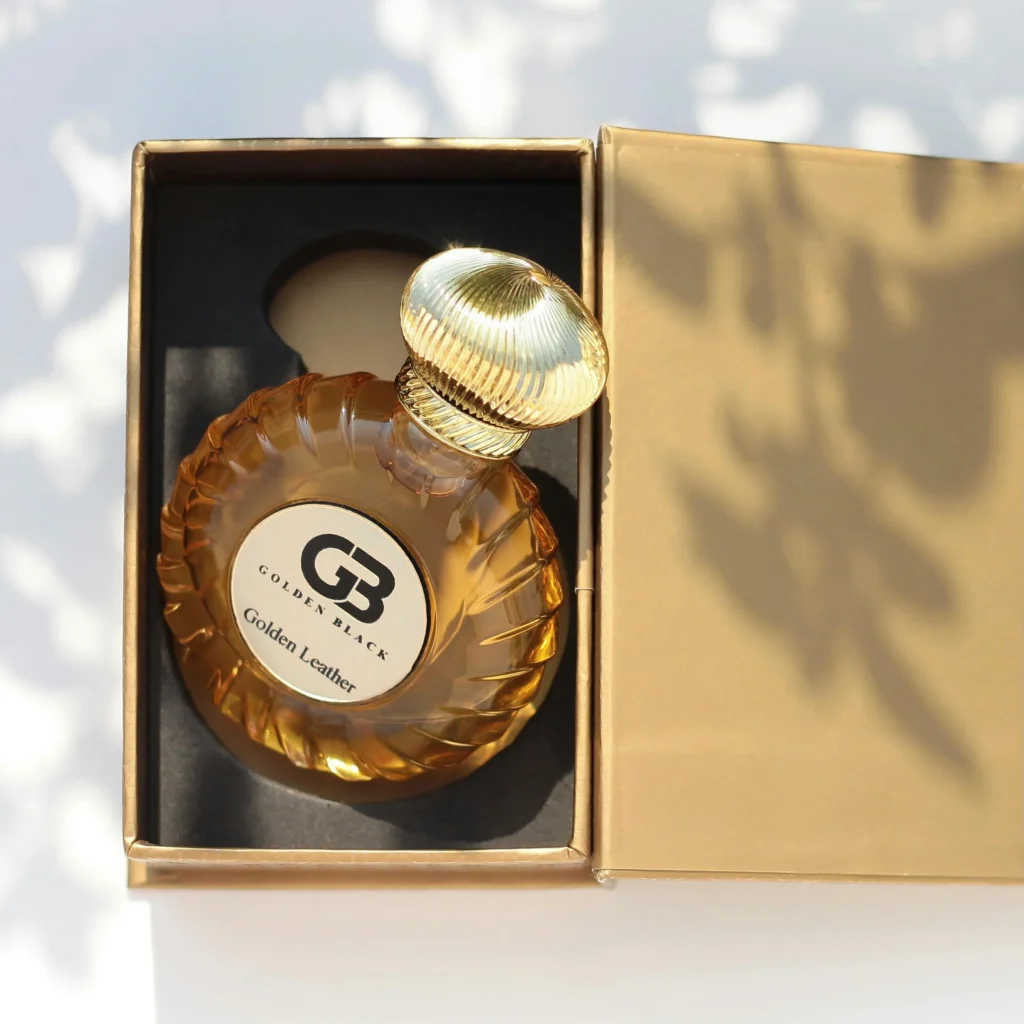
Whether you explore popular designer perfumes or experiment with exclusive perfumes, understanding your preferences and appreciating fragrance craftsmanship ensures every spritz becomes part of your identity. From daily wear to memorable moments, your perfume can be a form of self-expression, whether through a familiar designer classic or an adventurous niche creation.
FAQs
- What are designer perfumes?
Designer perfumes are created by luxury fashion brands like Chanel, Dior, and Gucci. They are crafted for mass appeal with versatile, easy-to-wear scents.
- What are niche perfumes?
Niche perfumes are made by specialized fragrance houses, focusing on unique, artistic compositions and exclusivity, often in smaller batches.
- How do the ingredients differ?
Designer perfumes use high-quality synthetic and natural ingredients for consistency, while niche perfumes often feature rare, innovative materials for distinctiveness.
- Which lasts longer: designer or niche perfumes?
Niche perfumes often last longer due to richer oil concentrations, though many designer perfumes also offer good longevity.
- Who are they for?
Designer perfumes cater to a broad audience, perfect for daily wear. Niche perfumes attract enthusiasts seeking individuality and unique scents.
- How do their prices compare?
Designer perfumes are generally more affordable due to mass production, while niche perfumes are pricier because of their exclusivity and artisanal craftsmanship.