

The strange thing about fragrance is that the same scent almost never smells exactly the same twice. A perfume you loved last week can suddenly feel sharper, softer, warmer, or lighter the next time you wear it. This happens with both perfume for men and perfume for women, because fragrance is constantly reacting to skin, weather, temperature, and time. Even perfumes designed to feel versatile rarely behave like a perfect fragrance for every occasion all the time. Once you start understanding how perfume notes evolve, you realize scent is far more dynamic than most people expect.
Why scent changes happen
A perfume is not one single smell from start to finish.
It changes in stages.
The moment you spray fragrance, you experience the opening layer first. These are called perfume top note accords, and they are usually the brightest and freshest part of the scent.
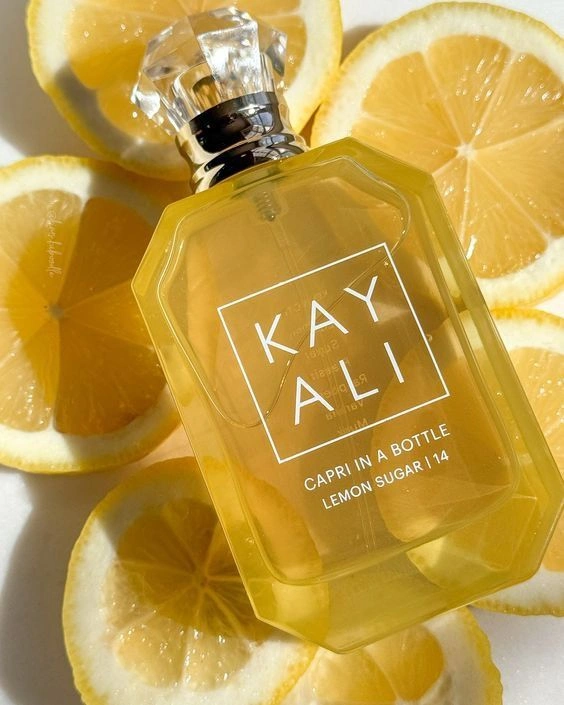
Top notes often include:
• Citrus
• Bergamot
• Fresh herbs
• Fruits
• Aquatic accords
These notes create the first impression, but they fade relatively quickly.
After that, the fragrance moves into deeper perfume notes that shape the actual personality of the scent. This stage lasts longer and reacts more strongly with your skin chemistry.
Then come the base notes, which stay closest to the skin for hours.
This entire process changes depending on:
• Body temperature
• Humidity
• Weather
• Skin type
• Environment
• Time of day
That is why the same perfume can smell different in winter compared to summer or indoors compared to outdoors.
A warm environment often makes fragrance project more strongly, while colder weather can soften certain notes completely.
What people usually misunderstand
A lot of people expect perfume to behave like a fixed product.
They spray it once, remember how it smelled during that moment, and assume it will always smell exactly the same.
But fragrance does not work that way.
Perfume is designed to evolve.
The opening scent is only the beginning, not the full experience.
This misunderstanding is especially common when people test fragrances quickly in stores. They smell the first few seconds, decide whether they like it, and never give the deeper perfume notes time to develop.
That creates unrealistic expectations.
For example, a perfume for women with fresh citrus opening notes may later become warm and musky after an hour. A perfume for men that starts smoky and woody may eventually soften into something cleaner and smoother.
The fragrance changes because it is supposed to.
That evolution is what makes perfume interesting in the first place.
It is also why one fragrance rarely behaves exactly like a permanent fragrance for every occasion. The environment always changes how the scent develops.
Why this matters in real life
This variation matters more than people realize.
A lot of fragrance disappointment comes from memory instead of actual experience.
People remember the opening spray and expect the entire perfume to stay frozen in that stage. Then they feel confused when the scent later becomes sweeter, softer, deeper, or lighter.
But perfume top notes are temporary by design.
The real identity of a fragrance usually appears later.
This is important because scent affects how people experience fragrance throughout the day. A perfume that smells airy in the morning may feel richer by evening. A fragrance that felt subtle indoors may suddenly project strongly outside in heat.
The same perfume can even feel emotionally different depending on your mood or surroundings.
That is why fragrance should not be judged too quickly.
A scent needs time to settle and interact with real life conditions before you truly understand it.
How to actually understand your perfume
Instead of judging perfume based on one quick spray, it helps to observe how it behaves over time.
Fragrance becomes much easier to understand when you stop expecting instant answers.
Pay attention to how perfume notes change
Notice the difference between:
• The first five minutes
• The first hour
• Several hours later
Many perfumes smell completely different after the dry down.
Test fragrances in different weather
A scent that feels soft during winter may become much stronger in summer heat.
Likewise, some fresh fragrances disappear quickly outdoors but feel perfect indoors.
Observe your skin chemistry
Dry skin, oily skin, and body temperature all affect longevity and projection.
The same perfume will not behave identically on everyone.
Wear perfume multiple times before deciding
One wear is rarely enough to fully understand fragrance.
Sometimes a scent grows on you gradually because different perfume notes become more noticeable over time.
This process helps you understand whether a fragrance truly works for your lifestyle instead of judging it based on first impressions alone.
A shift in thinking
The biggest mindset shift is realizing that perfume is not fixed.
It is dynamic.
Every fragrance has movement, layers, and evolution built into it.
That means your experience with scent will naturally change depending on the situation.
Instead of asking:
“Why does this perfume smell different today?”
it becomes more helpful to ask:
“How is this fragrance reacting to today’s conditions?”
That small shift changes everything.
You stop chasing perfect consistency and start appreciating how perfume adapts naturally.
The deeper perfume notes start becoming more important than the opening spray. You become more patient with fragrance instead of expecting instant results.
And honestly, that makes perfume feel more personal.
Because scent starts behaving like part of real life instead of a frozen product.
Why flexibility matters more than perfection
A lot of people search endlessly for one fragrance that works perfectly all the time.
But the truth is, no scent behaves identically in every condition.
Even the most versatile perfumes shift based on weather, environment, and skin chemistry.
That is why flexibility matters more than perfection.
A fragrance can still work beautifully across different situations while evolving naturally throughout the day.
Understanding this makes fragrance shopping less frustrating.
You stop expecting impossible consistency and start focusing on how a perfume feels overall across multiple experiences.
That creates a healthier relationship with scent.
Conclusion
No perfume smells exactly the same twice.
The weather changes.
Your skin changes.
Your environment changes.
Even your mood changes how you experience fragrance.
Once you understand how perfume notes develop over time, you stop expecting scent to remain frozen in one perfect version of itself.
Instead, you begin appreciating the way fragrance adapts naturally.
The opening notes create the introduction.
The middle notes shape the mood.
The base notes leave the lasting impression.
And together, they create a scent experience that keeps evolving every time you wear it.
That is what makes perfume feel alive rather than predictable.
FAQs
Why does perfume smell different every time?
Perfume reacts to skin, weather, humidity, body temperature, and environment, changing how it develops.
What are perfume top notes?
They are the first scents you smell after spraying – light, fresh, and short-lived.
How do perfume notes work?
They unfold in layers: top notes first, middle notes form the core, and base notes add depth and lasting power.
Does weather affect scent?
Yes. Heat can make fragrance stronger, while cold weather can soften its projection.
Can one perfume feel different on different people?
Absolutely. Skin type, body chemistry, and temperature all change how a fragrance smells and lasts.