

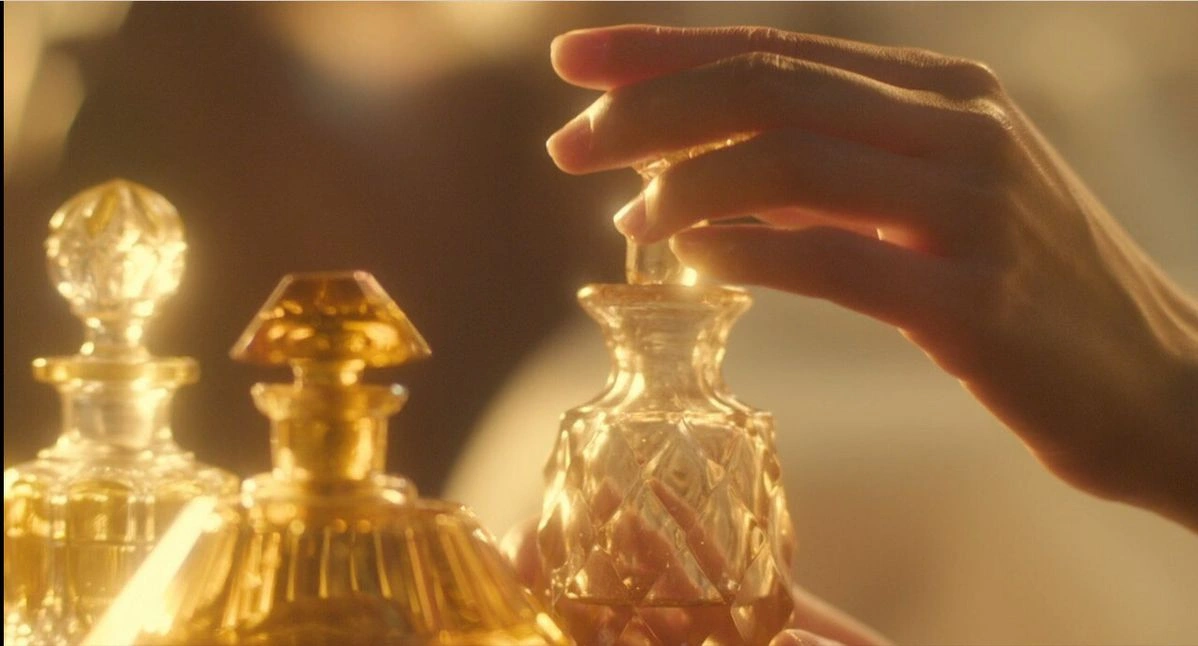
Let’s rewind to a time before your shelf had 12 half-used perfume bottles and one “special occasion” scent you refuse to waste.
Back in 1917, the fragrance world wasn’t this chaotic playground of endless launches and TikTok hype. It was quieter, more deliberate… and then everything changed with one perfume.
Not just any perfume — Chypre de Coty.
This wasn’t just a fragrance. It was a blueprint. A rebellion. The moment the perfumery said, “Let’s get interesting.”
And honestly? We’re still living in its shadow.
The Birth of Something Iconic
When François Coty created Chypre de Coty, he wasn’t trying to start a trend.
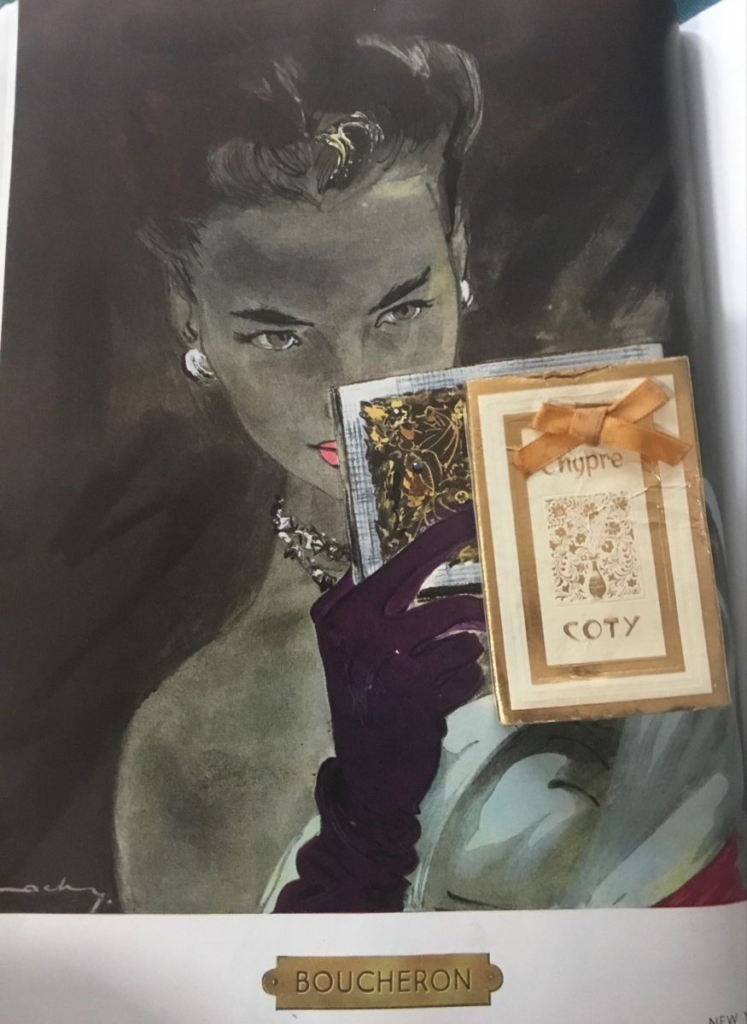
He just accidentally… did.
At the time, most perfumes leaned heavily floral or powdery. Safe. Predictable. Pretty in a “don’t offend anyone” kind of way.
Then Chypre de Coty walked in like:
“What if we mix fresh citrus with deep mossy woods and call it elegance?”
Bold move.
The structure was revolutionary:
- Bright citrus opening
- Floral heart
- Deep, earthy, slightly mysterious base
This contrast created something layered, complex, and addictive.
And just like that, a whole new fragrance family was born.
So… What Does “Chypre” Even Mean?
Let’s clear the confusion because chypre meaning perfume is one of those things people pretend to understand.
“Chypre” (pronounced shee-pr) is the French word for Cyprus — the Mediterranean island known for its natural aromatic materials.
But in perfume language, it means something very specific.
A chypre fragrance follows a classic structure:
- Top notes: Citrus (usually bergamot)
- Heart notes: Florals (rose, jasmine)
- Base notes: Oakmoss, patchouli, labdanum
Think of it as:
👉 Fresh → Soft → Deep
It starts bright, gets romantic, and ends with a grounded, almost earthy sensuality.
Basically, it evolves like a personality, not just a scent.
Why Chypre De Coty Was a Big Deal
Let’s not sugarcoat it and this perfume changed the game.
Before Chypre de Coty:
- Perfumes were linear
- Scents didn’t evolve much
- Complexity wasn’t the goal
After Chypre de Coty:
- Fragrance became storytelling
- Layers became essential
- Depth became desirable
It introduced the idea that a perfume could develop over time instead of just… existing.
And perfumers? They ran with it.
The Ripple Effect: How It Shaped Modern Perfumery
Every time you smell a sophisticated, slightly earthy, grown-up fragrance… you’re smelling its influence.
Chypre de Coty didn’t just create a scent — it created a framework.
Over the decades, it inspired:
- Fruity chypres (adding sweetness and playfulness)
- Floral chypres (more romantic, softer edges)
- Green chypres (fresh, sharp, nature-like vibes)
- Modern chypres (less oakmoss, more wearable twists)
Basically, perfumers took the original DNA and said:
“Let’s remix this for every generation.”
And they did. Over and over again.
The Signature Notes That Made It Timeless
So what exactly makes this fragrance unforgettable?
Let’s break it down without getting too textbook about it.
1. Bergamot (The Opening Spark)
That first impression — crisp, citrusy, slightly bitter.
It’s like the perfume saying:
“Hi, I’m fresh… but don’t get too comfortable.”
2. Floral Heart (The Soft Transition)
Usually rose or jasmine.
This is where it becomes elegant. Feminine but not fragile.
3. Oakmoss & Patchouli (The Depth)
This is the real star.
Earthy. Dark. Slightly damp forest energy.
It grounds the whole fragrance and gives it that “expensive and mysterious” vibe.
Why It Still Feels Relevant Today
Here’s the thing — trends come and go.
But structure? That sticks.
Even in today’s world of:
- Sweet vanilla overload
- Oud everything
- “Smell like a dessert” fragrances
Chypre compositions still feel… elevated.
They don’t scream for attention.
They earn it.
And in a world where everyone is trying too hard to smell “different,” chypres quietly stand out by being timeless.
How to Identify a True Chypre Perfume
Not every perfume claiming to be chypre actually is one.
Some just borrow the vibe and hope you don’t notice.
Here’s how to spot the real ones:
✔ Look at the structure
If it doesn’t have:
- Citrus opening
- Floral heart
- Mossy/woody base
…it’s not a true chypre.
✔ Check for oakmoss or alternatives
Modern regulations reduced oakmoss use, so brands may use substitutes but the earthy feel should still be there.
✔ Notice the transition
A real chypre evolves noticeably over time.
If it smells the same after 5 hours… that’s not it.
How to Wear Chypre Without Feeling Like a Vintage Museum Exhibit
Let’s address the fear.
Some people think chypres = “old school.”
Not true. You just need to wear them right.
1. Start Light
Don’t overspray. Chypres are powerful.
2. Match the Mood
Perfect for:
- Evenings
- Formal settings
- Days when you want to feel put together
3. Layer Smartly
Pair with:
- Minimal body lotion
- Neutral scents
Let the perfume do the talking.
Building a Chypre Into Your Fragrance Wardrobe
If your collection is currently:
- Sweet
- Fruity
- Safe
Then adding a chypre is like adding depth to your personality.
Think of it as:
- Your “main character energy” scent
- Your “I know what I’m doing” fragrance
- Your “effortlessly expensive” vibe
You don’t wear it every day.
But when do you?
People notice.
The Legacy That Refuses to Fade
Chypre de Coty isn’t just a perfume you study.
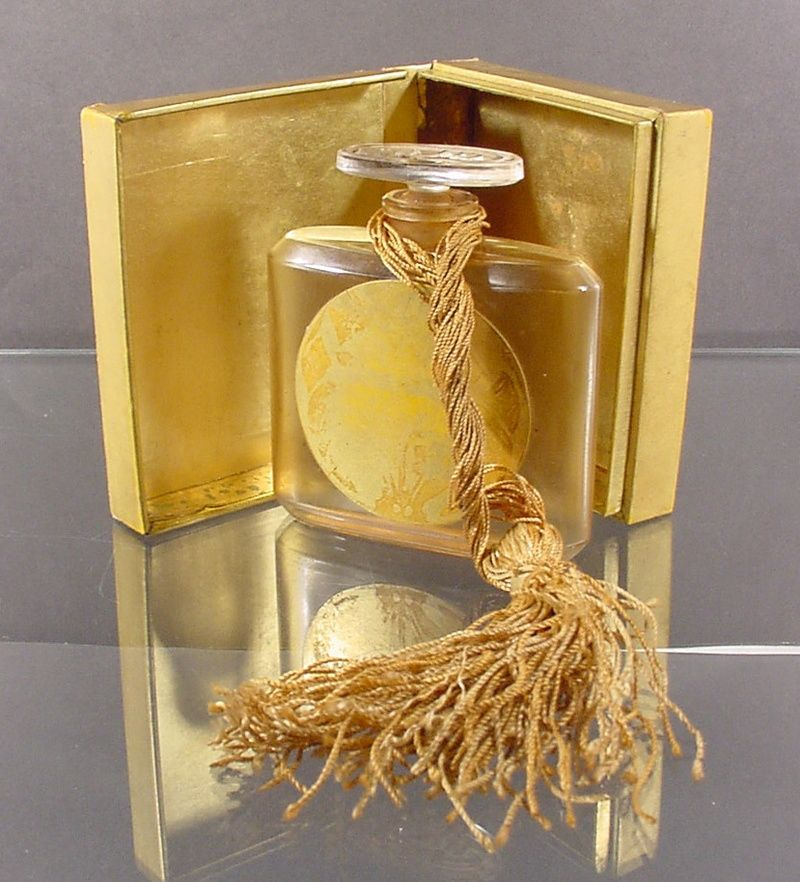
It’s one you feel in almost every sophisticated fragrance that comes after it.
It taught the industry that contrast is powerful.
That structure matters.
That perfume can be more than just… pleasant.
It can be unforgettable.
FAQs
What is chypre meaning perfume?
Chypre refers to a fragrance structure built on citrus top notes, floral heart, and a deep mossy base. It creates a balanced, evolving scent profile.
Why is Chypre de Coty so important?
It introduced the chypre fragrance family and completely changed how perfumes are structured and experienced.
Are chypre perfumes still popular today?
Yes, but in modern forms. Many perfumes today are inspired by chypre but adapted to current preferences.
Are chypre perfumes only for women?
Not at all. Chypres are often unisex and depend more on composition than gender labels.
How can I tell if a perfume is a chypre?
Look for a citrus opening, floral middle, and earthy or mossy base. The scent should evolve over time.