

Step into the world of perfumery. You will find a category that stands apart. It is known for its sophisticated and timeless appeal. This is the realm of classic chypre fragrances. They captivate with their unique structure.
This article explores the chypre fragrance family. We will uncover its rich history. We will also learn the chypre perfume meaning. And we will celebrate the most iconic examples. This journey is for beginners and seasoned collectors alike.
We will define chypre in detail. We’ll explore its signature perfume notes. This guide will illuminate the enduring allure of this remarkable scent profile. Let’s delve into the elegance of chypre.
The Origins of a Legendary Scent
The story of chypre is fascinating. It is a tale of innovation and artistry. It all began with a revolutionary fragrance. This perfume would change the industry forever. It set a new standard for elegance.
The Birth of Chypre de Coty
In 1917, François Coty launched a masterpiece. It was named Chypre de Coty. This fragrance was groundbreaking. It established an entirely new category. It became the blueprint for all future chypres.
Coty’s creation was a bold statement. It combined contrasting elements beautifully. The result was a complex and harmonious scent. It was unlike anything that came before it. This scent captured the imagination of a generation.
The success of Chypre de Coty was immediate. It became a symbol of modern perfumery. Its influence is still felt today. It remains a benchmark for sophistication. Many modern perfumes owe their existence to this classic.
Understanding the Chypre Structure
What makes a chypre a chypre? The answer lies in its specific structure. This framework is what gives the category its identity. It is a harmonious blend of specific ingredients.
To define chypre, we look at its core accord. It is a classic olfactory pyramid. The composition creates a distinct tension. It balances bright top notes with a rich base. This contrast is the heart of its appeal.
The traditional chypre accord consists of five key elements. Each one plays a crucial role. Together, they form a memorable and complex aroma. This structure is what perfumers have revered for over a century.
The Signature Perfume Notes
The classic chypre fragrances structure is precise. It begins with a citrus burst. Bergamot is the most common choice. It provides a sparkling, fresh opening. This initial brightness is instantly recognizable.
The heart of the fragrance is floral. Jasmine and rose are traditional choices. These flowers add a layer of soft elegance. They bridge the gap between top and base. The floral heart is soft and romantic.
The base is what truly anchors a chypre. It features a trio of notes. Oakmoss provides an earthy, forest-floor aroma. Labdanum adds a warm, ambery resinous quality. Patchouli contributes a deep, woody character.
This combination of perfume notes is iconic. The interplay between the fresh citrus and the dark, mossy base is the signature of the chypre fragrance family. It creates a scent that is both sophisticated and intriguing.
The Meaning and Allure of Chypre
The chypre perfume meaning goes beyond its notes. It represents a certain style and attitude. These fragrances are often seen as intellectual. They are complex and cerebral. They are not simple, linear scents.
Chypre perfumes evoke confidence and self-assurance. They are for the individual who appreciates artistry. They are not designed for mass appeal. Instead, they cater to a discerning taste. The wearer of a chypre is often seen as elegant.
The allure of a chypre is its evolution. The scent transforms on the skin over time. The initial citrus blast slowly gives way. The floral heart emerges softly. Finally, the rich, mossy base reveals itself. This journey is captivating.
This complexity is a key part of the chypre perfume meaning. It is a fragrance that tells a story. It unfolds in chapters, revealing new facets. This makes it a deeply personal experience for the wearer.
The Evolution of the Chypre Fragrance Family
The world of perfume is always changing. The chypre fragrance family has evolved too. Regulations and changing tastes have shaped its path. Modern perfumers have reinterpreted the classic structure.
The Impact of IFRA Regulations
The International Fragrance Association (IFRA) regulates ingredients. One key material in classic chypre fragrances are oakmoss. IFRA has restricted its use due to allergen concerns. This presented a major challenge for perfumers.
Creating the classic chypre fragrances effect without oakmoss is difficult. Perfumers had to find alternatives. They now use synthetic molecules or treated oakmoss extracts. These materials mimic the original aroma. This ensures the chypre legacy can continue.
This shift has led to a new generation of chypres. They are often called modern or neo-chypres. They maintain the spirit of the original. But they use a different palette of ingredients. They are brighter and sometimes less earthy.
Modern Interpretations
Modern chypres often replace oakmoss with patchouli. The patchouli note is intensified. It provides the necessary earthy depth. This creates a cleaner, more contemporary feel. These are sometimes called “pink chypres.”
Fruity notes have also become common. Peach, plum, or blackcurrant add sweetness. They soften the traditional chypre austerity. These fruity chypres are very popular today. They offer a more accessible entry point.
Floral chypres are another popular variation. They amplify the floral heart. Notes like gardenia or tuberose are used. This creates a lusher, more opulent experience. The result is a bold and glamorous scent.
These modern takes keep the category relevant. They introduce the chypre concept to new audiences. They prove that the core structure is versatile. It can be adapted to suit contemporary preferences. The innovation continues.
Iconic And Classic Chypre Fragrances
Over the decades, many masterpieces have been created. These classic Chypre Fragrances define the genre. They are benchmarks of quality and creativity. Each one tells a unique story.
These fragrances have stood the test of time. They remain beloved by perfume enthusiasts. Exploring them is like a history lesson. It reveals the artistry of perfumery’s golden age. Let’s explore some of the most legendary examples.
Many of these scents are now considered vintage chypre perfumes. Finding original formulations can be a quest. Yet their influence is undeniable. They have inspired countless other fragrances.
Guerlain Mitsouko (1919)
Just two years after Chypre de Coty, another icon appeared. Guerlain’s Mitsouko was a stunning creation. Jacques Guerlain was the perfumer behind it. He added a new twist to the chypre accord.
Mitsouko introduced a prominent peach note. This was a revolutionary addition. The juicy fruitiness softened the structure. It added a mysterious, velvety quality. The result was a fragrance of profound beauty.
The name Mitsouko means “mystery” in Japanese. The scent lives up to its name. It is enigmatic and melancholic. It perfectly balances warmth and coolness. It remains one of the greatest classic chypre fragrances ever made.
Rochas Femme (1944)
Created during World War II, Femme is a symbol of hope. Perfumer Edmond Roudnitska was the artist. He created a warm and sensual chypre. It was a departure from the more austere style.
Femme is famous for its cumin note. This adds a spicy, skin-like warmth. It is blended with rich fruits like plum and peach. The effect is intimate and enveloping. It feels like a lover’s embrace.
Rochas Femme is a testament to resilience. It was created in difficult times. Yet it radiates warmth and optimism. It has been reformulated over the years. But its distinctive character remains intact.
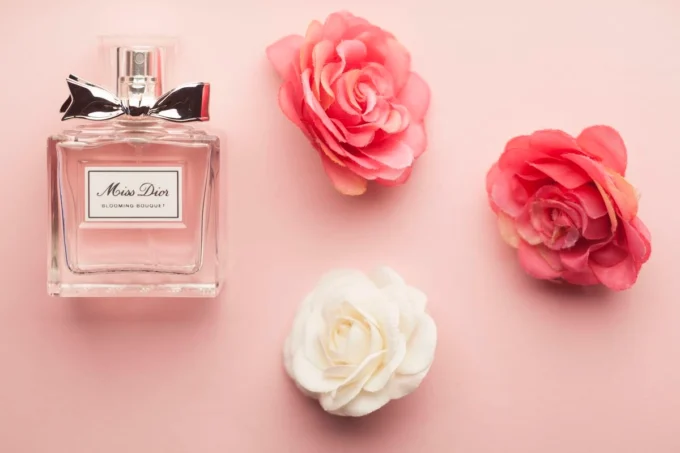
Christian Dior Miss Dior (1947)
Miss Dior launched alongside the “New Look.” It was the perfect scent for a new era. It captured the post-war spirit of renewal. The fragrance was green and elegant.
The original Miss Dior was a green chypre. It featured a prominent galbanum note. This gave it a crisp, slightly bitter quality. This was balanced with a floral heart of gardenia. The base was classic oakmoss and patchouli.
This fragrance became an instant success. It embodied Parisian chic and sophistication. It is one of the definitive classic chypre fragrances. The original formulation is highly sought after by collectors of vintage chypre perfumes.
Grès Cabochard (1959)
Cabochard means “stubborn” in French. This fragrance certainly has a strong will. It is a bold and assertive leather chypre. It was created by perfumer Bernard Chant.
Cabochard is intensely smoky and dry. It combines leather with bitter green notes. Aromatic herbs and tobacco add complexity. It is not a traditionally feminine scent. It exudes confidence and independence.
This fragrance was ahead of its time. It challenged traditional notions of femininity. It paved the way for other bold scents. It remains a powerful statement piece. A true classic for the bold at heart.
Clinique Aromatics Elixir (1971)
Aromatics Elixir is another Bernard Chant creation. It is a powerful and complex chypre. It is often described as a functional fragrance. It was designed to calm and uplift the senses.
The fragrance is a potent blend. It has over 200 ingredients. Key perfume notes include chamomile and verbena. These give it a unique herbal quality. The base is a classic mix of oakmoss and patchouli.
Aromatics Elixir is a love-it-or-hate-it scent. Its presence is undeniable. For its fans, it is a signature scent for life. It is one of the most recognizable chypres ever made. It has a devoted following worldwide.
Jean-Louis Scherrer (1979)
This fragrance is the epitome of a green chypre. It is sharp, bitter, and incredibly chic. It evokes a sense of untamed nature. It is sophisticated and uncompromising.
The opening is a blast of green notes. Galbanum and hyacinth are prominent. The heart contains carnation and rose. The base is rich with oakmoss and civet. The overall effect is crisp and elegant.
Jean-Louis Scherrer is a masterpiece of its kind. It represents the pinnacle of the green chypre style. It is a must-try for anyone who loves this sub-category. It is a perfect example of 70s glamour.
The Quest for Vintage Chypre Perfumes
For many collectors, nothing compares to the originals. The search for vintage chypre perfumes is a passionate hobby. These older formulations contain ingredients that are now restricted. This includes real oakmoss and animalic notes.
Finding these treasures requires dedication. They can be found at estate sales. Online auction sites are another source. Specialty vintage perfume shops exist too. The hunt is part of the excitement for collectors.
When buying vintage, condition is key. How the perfume was stored matters greatly. Light and heat can damage a fragrance. Top notes are often the first to fade. But a well-preserved base can still be glorious.
Owning a bottle of vintage chypre perfumes is like owning history. It is a direct link to another era. The scent can transport you back in time. It’s a truly unique and precious experience for any perfume lover.
How to Wear a Chypre Perfume
Chypre perfumes are statement-makers. They are best worn with confidence. A little goes a long way. These are not scents to be sprayed with abandon. One or two sprays are usually enough.
The classic application points work best. Apply to pulse points like wrists and neck. The warmth of your skin will help the scent develop. Allow it to unfold naturally. Do not rub your wrists together.
Chypre fragrances are versatile. A green chypre is perfect for daytime wear. It feels professional and put-together. A fruity or floral chypre can be great for social events. A rich, classic chypre fragrances are perfect for an elegant evening.
Ultimately, wear what makes you feel good. A chypre can become a signature scent. It can be a secret weapon of confidence. It is a way to express your unique style. Don’t be afraid to experiment.
The Enduring Legacy
Why has the chypre endured for over a century? Its appeal lies in its perfect balance. It is a fragrance of contrasts. Bright and dark, fresh and earthy. This tension makes it eternally interesting.
The chypre structure is also incredibly versatile. As we have seen, it can be reinterpreted. It can be fruity, floral, green, or leathery. This adaptability ensures its continued relevance. It will always find new fans.
To define chypre is to define elegance. It is a category that rewards patience. It asks the wearer to pay attention. It offers a rich and evolving experience. It is a true art form in the world of fragrance.
The chypre story continues to unfold. New perfumers are adding their voices. They are creating modern classics. The chypre fragrance family is alive and well. It will continue to captivate us for years to come.
In conclusion, the world of chypre is deep and rewarding. From the revolutionary Chypre de Coty to modern innovations, it is a journey through perfume history.
Understanding the chypre perfume meaning and its structure opens up a new level of appreciation. Whether you seek out classic chypre fragrances or their contemporary counterparts, you are engaging with one of perfumery’s greatest traditions.
This remarkable and sophisticated scent profile will forever be a symbol of timeless elegance.
Chypre Fragrance FAQs
| Question | Answer |
|---|---|
| What does chypre fragrance mean? | A fragrance family with citrus top notes, floral heart, and earthy base of oakmoss, labdanum, and patchouli. |
| What is the origin of chypre fragrance? | It began in 1917 with François Coty’s Chypre de Coty, setting the style for all chypres. |
| What are the key notes in chypre fragrances? | Citrus like bergamot, floral notes such as jasmine or rose, and a deep base of oakmoss and patchouli. |
| Why are vintage chypres sought after? | They used natural oakmoss and unique notes now restricted, making them rare and collectible. |
| How can I wear a chypre fragrance? | Apply lightly on pulse points. Green chypres suit day, fruity/floral for social events, and deep chypres for evenings. |