

The allure of fragrance is timeless. From ancient civilizations to the contemporary world, perfumes have consistently played a pivotal role in enhancing personal style and creating unforgettable sensory experiences. But when it comes to the debate of Classic vs Modern Perfumes, which era truly reigns supreme? This question transcends mere preference—it’s a fascinating exploration of history, artistry, and innovation.
This article will dissect both eras, tracing the roots of classic chypre perfumes, celebrating the creativity of modern chypre perfumes, unraveling the role of the chypre fragrance family, and evaluating the best chypre fragrances for various tastes and budgets. Along the way, we’ll highlight some of the most famous scents in history, reveal why audience preferences have changed, and provide inspiration for both new enthusiasts and experienced collectors. By the end, you’ll have a clear perspective on which era deserves the crown.
The Origins of Classic Perfumes
The Timeless Appeal of Classic Scents
Classic perfumes stand as a testament to the sophistication of traditional perfumery. These fragrances are often characterized by their bold, complex compositions and rich history. Many classic chypre perfumes dominated the early 20th century, produced by legendary houses like Guerlain and Coty. The word “chypre” itself originates from Cyprus—the Mediterranean island that inspired this iconic fragrance family.
Classic perfumes typically relied on natural ingredients such as oakmoss, bergamot, patchouli, labdanum, and rose. These blends created mature, deeply layered scents that lingered beautifully on the skin. The chypre profile is particularly distinctive, offering an earthy and woody base contrasted by bright citruses and floral touches.
The Making of Classic Chypres
The golden age of perfumery in the 1920s and 1930s brought the best chypre perfumes for women, immortalized by creations like Guerlain’s Mitsouko, Coty Chypre, and Jean Patou’s Colony. These fragrances set the foundation for what we now recognize as traditional perfumery. The artistry lay in the ability to balance seemingly opposing fragrance elements, blending them into harmonious masterpieces.
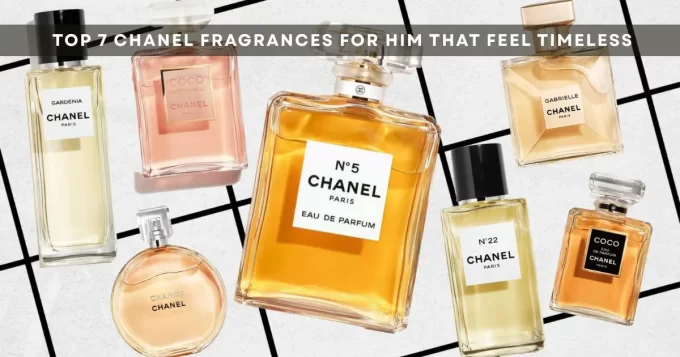
Classic chypre perfumes like Chanel No. 5, Rochas Femme, and Diorella by Dior epitomize this historical finesse. They reflect a meticulous craftsmanship where each note, from top to base, sings with purpose and elegance. Their sillage—the trail left by perfume—was often legendary and a sign of luxury and individuality.
Why Classic Perfumes Still Matter Today
The appeal of classic scents isn’t just nostalgic—it’s deeply rooted in quality and authenticity. Many fragrance aficionados hold classics in high regard because of their unparalleled depth and longevity. Even in contemporary discussions, platforms such as Fragrantica chypre forums brim with admiration for these timeless creations.
Classic perfumes are not simply a window to the past. For many, they represent boldness and sophistication—an olfactory signature that sets the wearer apart. They are favorites among seasoned collectors and those seeking a connection to vintage glamour. As a gateway to the chypre fragrance family, classics offer richness, tradition, and a touch of mystery not always found in their modern counterparts.
The Advent of Modern Perfumes
A New Era of Creativity
Modern perfumes emerged during the late 20th century as a response to evolving consumer preferences. Millennials and Gen Z gravitated towards scents that are lighter, versatile, and more casual—qualities that define today’s creations. Modern chypre perfumes represent a striking counterpoint to their classic predecessors, often incorporating synthetic accords and unconventional notes to achieve innovative results.
These compositions are typically fresher, brighter, and less dense. They appeal to a broader audience, featuring lighter florals, juicy fruits, and aquatic or gourmand essences layered over subtler chypre bases. This move towards minimalism allows wearers to enjoy perfume daily without feeling overwhelmed.
Modern Chypres and Innovation
While classic chypres thrived on predominantly natural elements, modern chypre perfumes have revolutionized this style with contemporary additions like fruity accords (peach, pear, raspberry), soft musks, and radiant molecules such as ambroxan. Iconic examples include Narciso Rodriguez For Her, Chanel’s Coco Mademoiselle, and Miss Dior (modern version), all celebrated among the best chypre fragrances of the 21st century.
Brands have expanded the palette of available fragrances, incorporating notes like pink pepper, lychee, and suede. These modern interpretations appeal to a variety of tastes and age groups, making the chypre fragrance family more accessible than ever before. Plus, the advent of the budget chypre category means you don’t have to break the bank to smell incredible. Labels like Zara, H&M, and indie perfume houses offer top quality scents at affordable prices.
Why Modern Perfumes Dominate Today
The versatility of modern perfumes suits today’s varied and fast-paced lifestyles. Whether at work, hitting the gym, or relaxing with friends, there’s a contemporary fragrance for every situation. In addition to adapting to changing tastes, the industry has embraced sustainability: many brands now use responsibly sourced ingredients, cruelty-free testing, and eco-friendly packaging.
The marketing landscape has also evolved. Social media platforms, fragrance reviews, and online communities like Fragrantica chypre have played a significant role in democratizing perfume recommendations. Consumers can easily find the best chypre perfumes for women or men, compare reviews, and make informed decisions before purchasing.
Comparing Classic and Modern Perfumes
Key Differences in Composition
The artistic formulation of classic chypre perfumes is distinctly different from that of their modern counterparts. Classics use richer ingredients and have a tendency towards more robust, layered structures. There is a careful evolution from the opening notes through to the base, offering a long-lasting and evolving sensory journey.
Modern offerings, by contrast, often prioritize immediate impact and simplicity. They are designed for versatility, quick reapplication, and mass appeal. Synthetic notes can mimic natural aromas or introduce novel accords that were previously unattainable.
| Aspect | Classic Perfumes | Modern Perfumes |
| Ingredients | Natural (oakmoss, patchouli, labdanum, rose) | Blend of synthetic and natural, unique fruity/gourmand |
| Longevity | Long-lasting, slow-evolving | Usually lighter, moderate to long-lasting |
| Audience Appeal | Mature, refined, individualistic, exclusive | Inclusive, youthful, versatile, daily wear |
| Accessibility | Often high-end or niche, difficult to find | All price ranges, including budget chypre options |
Audience Appeal: Evolving Preferences
Classic perfumes often conjure feelings of elegance, formality, or evening glamour. They are usually beloved by those with a deep appreciation for history, sophistication, or unique olfactory signatures that stand out from the crowd. Their rich compositions may be perceived as powerful or assertive, giving the wearer a sense of confidence and refinement.
Modern perfumes, however, are all about flexibility and everyday wear. Their lighter profiles make them suitable for diverse social settings, including offices, schools, and casual gatherings. These scents frequently appeal to younger generations, people sensitive to strong perfume, or anyone new to fragrance collecting looking for approachable entry points.
The beauty of the current market is that the lines are blurring: some modern brands are crafting contemporary scents with vintage inspiration, and vice versa.
Popular Fragrances from Both Eras
A notable distinction between eras is exemplified by their standout scents, many of which continue to inspire new creations.
Classic Chypres:
- Guerlain’s Mitsouko (timeless, mysterious, spicy-fruity chypre)
- Coty Chypre (the original, mossy floral chypre launched in 1917)
- Chanel No. 5 (aldehydic chypre with immense legacy)
- Rochas Femme (sensuous chypre with plum and spice)
- Givenchy III (green chypre with iris and rose)
Modern Chypres:
- Chanel Coco Mademoiselle (modern floral-chypre with patchouli-vanilla base)
- Chloe Nomade (fruity, clean chypre for the adventurous spirit)
- Miss Dior (current version—sparkling, fresh floral-chypre)
- Narciso Rodriguez For Her (musky chypre, sophisticated and sensual)
- Yves Saint Laurent Mon Paris (fruity-floral spin on the chypre DNA)
The Role of Fragrance Communities
Communities like Fragrantica chypre ignite spirited conversations about the relative merits of both eras. Enthusiasts and experts exchange reviews, note breakdowns, and personal stories of discovery. For many, exploring the chypre fragrance family is a lifelong journey—one filled with nostalgia, curiosity, and constant evolution.
Online spaces provide guidance for anyone wanting to find their next signature scent, offering lists of the best chypre fragrances or guides to navigating the world of budget chypre. Houses continue to experiment, ensuring that the tradition of chypre endures even as it evolves.
The Evolution of the Chypre Fragrance Family
The chypre fragrance family began with singular interpretations of mossy, citrusy scents and has since grown to encompass an entire world of variations. Restrictions on some traditional ingredients (like oakmoss) have led perfumers to invent new accords that still evoke the heart of the original chypres, while also creating space for experimentation.
Now, the family includes subgroups: floral chypres, fruity chypres, spicy chypres, leather chypres, and even gourmand-inflected options—a testament to the adaptability and creative possibilities within this genre. This diversity allows every fragrance lover to find a personal favorite, from powdery and elegant to bold and exotic. Niche perfume houses and independent creators have particularly embraced this evolution, drawing inspiration from traditional chypre structures yet pushing boundaries with unique blends and unexpected notes. This adaptability has ensured the ongoing popularity of both classic chypre perfumes and modern chypre perfumes across generations, with each era reinterpreting the style to reflect the tastes and trends of the time.
In addition, advances in chemistry and perfume technology have led to more stable, longer-lasting scents and a wider range of affordable products. Whether your preference is for a refined vintage bottle or a fresh, mass-market release, there’s never been more choice or creativity in exploring the chypre fragrance family.
The Rise of Budget-Friendly Chypres
One major win for contemporary offerings is the emergence of budget chypre fragrances. Luxury scents are now available at accessible price points thanks to duplication houses, mainstream fashion brands, or smaller independent brands. Options such as Zara’s Vibrant Leather or H&M’s Les Essences collection give perfume lovers an affordable entry into the best chypre fragrances category—even college students or young professionals can enjoy a touch of sophistication.
Drugstore brands, online perfume houses, and fragrance subscription boxes further broaden your options for discovering the best chypre perfumes for women and men without financial strain. With travel-size bottles, sampler sets, and frequent sales, exploring chypre’s signature blend of freshness and complexity doesn’t have to be a luxury reserved for a few. This democratization of quality fragrances enables more people to discover the artistry of classic vs modern perfumes, appreciating both styles without a hefty price tag, and ensuring that the distinctive allure of chypre scents remains relevant to new generations of fragrance fans.
Final Verdict – Which Era Wins?
The battle between classic vs modern perfumes doesn’t truly have a clear winner because the appeal depends on personal preferences. Classic scents captivate with their nostalgia, complexity, and timeless elegance, while modern fragrances dazzle with creativity, accessibility, and versatility.
If you love rich, mysterious, and evolving scents with immense staying power, you might gravitate towards the legendary classics. If you cherish brightness, everyday wear, and playful innovation, the modern chypres may be your calling. Many fragrance lovers curate collections that feature both, embracing the art of perfumery in all its forms.
Perfume connoisseurs should celebrate the best of both worlds. By incorporating a mix of classic chypre perfumes and modern chypre perfumes into your collection, you savor tradition and innovation in equal measure. After all, fragrances—from either era—serve a universal purpose: capturing memories and enhancing our moments.
The Takeaway
Whether you adore Mitsouko’s old-world charm or Coco Mademoiselle’s contemporary flair, there’s no denying that perfumes are deeply personal. Instead of declaring one superior, why not explore both? Platforms like Fragrantica chypre, fragrance discussion groups, or specialized boutiques are great places to start your exploration of the chypre fragrance family.
No matter your decision, investing in the best chypre perfumes for women, sampling new releases, or discovering a budget chypre gem will ensure an aromatic signature uniquely yours. The world of Classic vs Modern Perfumes is one you can enjoy for a lifetime—and there’s always something new to discover.