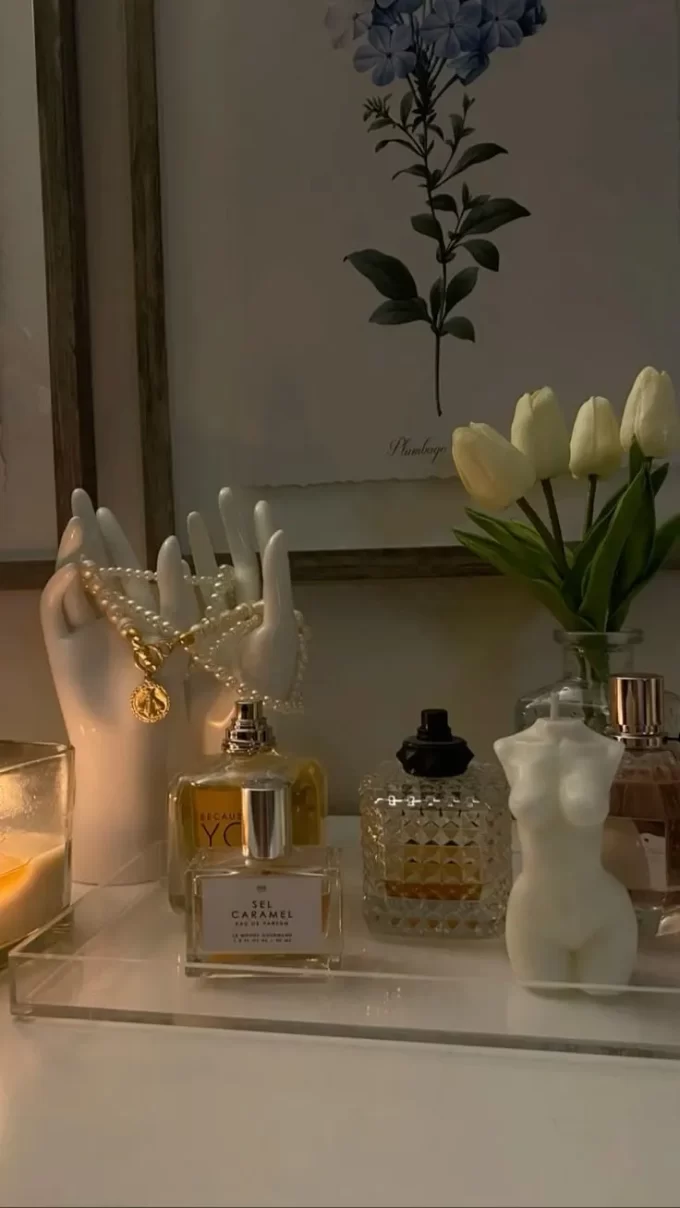


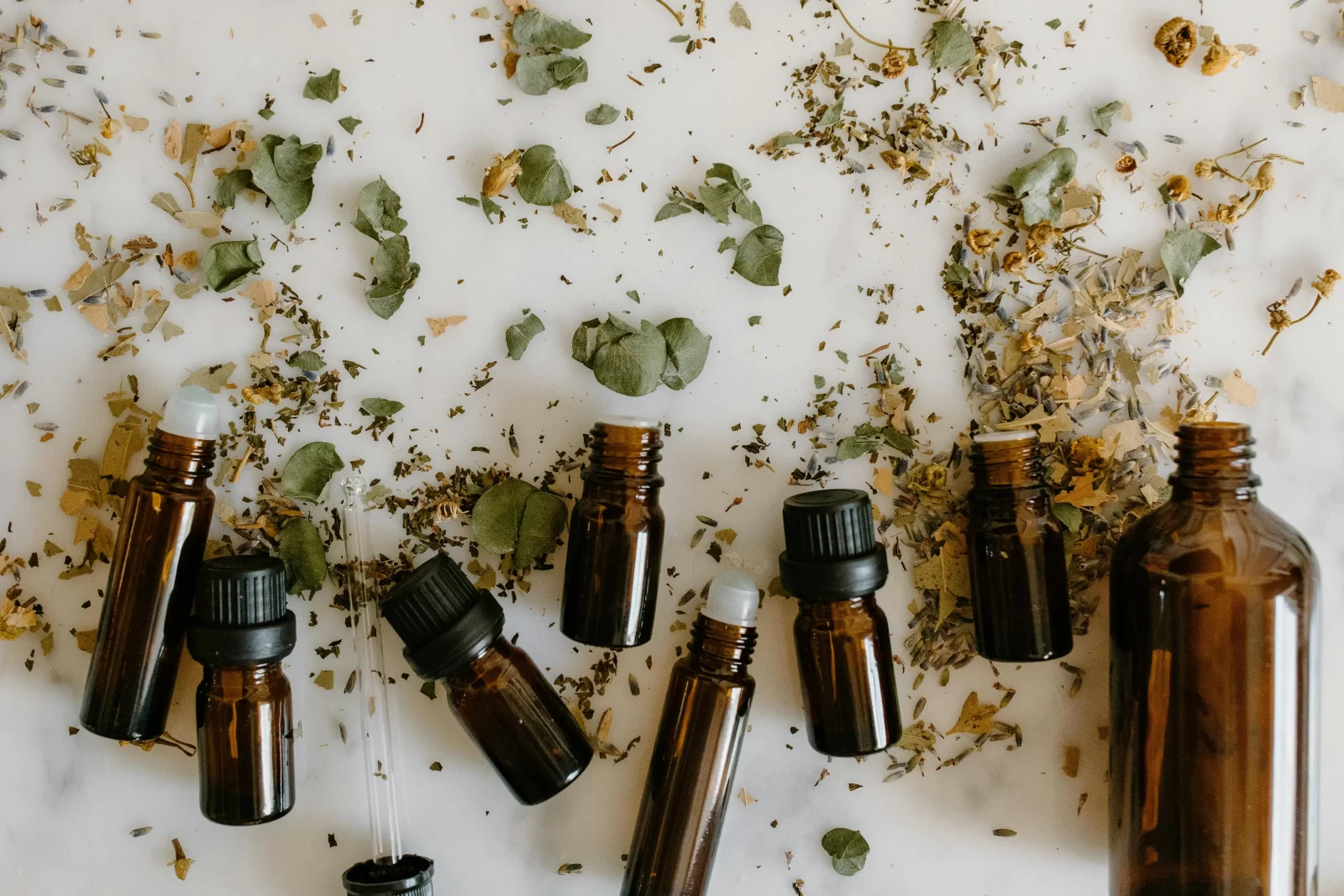
In a world saturated with mass-produced fragrances, developing your own Signature Scent with Perfume Oils offers a deeply personal and creative journey into the art of perfumery. Unlike commercial perfumes that rely heavily on alcohol, perfume oil provides a more intimate, long-lasting, and customizable fragrance experience that allows you to craft something uniquely yours.
The beauty of creating a Signature Scent with Perfume Oils lies in the ability to blend different aromatic notes, understand the nuances of perfume language, and explore various fragrance families. Whether you’re drawn to the sophisticated allure of best chypre perfumes or the delicate beauty of the aroma of iris, the world of perfume oil opens doors to endless olfactory possibilities.
Understanding the Foundation of Perfume Oils
Perfume oil serves as the concentrated essence of fragrance, offering several advantages over traditional alcohol-based perfumes. These oils contain no alcohol, which means they don’t evaporate as quickly and provide a more intimate scent experience that sits closer to the skin. The concentration of aromatic compounds in perfume oil is typically much higher, ranging from 15% to 40%, compared to the 5% to 15% found in eau de toilette.
When embarking on your journey to create a Signature Scent with Perfume Oils, understanding the three-tier structure of fragrance becomes essential. Top notes provide the initial impression, middle notes form the heart of the fragrance, and base notes create the lasting foundation. This pyramid structure is fundamental to perfume language and helps perfumers create balanced, harmonious compositions.
The versatility of perfume oil makes it an ideal medium for experimentation. Unlike alcohol-based fragrances that can smell harsh during the initial application, oils blend seamlessly with your skin’s natural chemistry from the moment of application. This characteristic makes them particularly suitable for creating Unisex perfume blends that adapt to different skin types and personal preferences.
Exploring Fragrance Families and Notes
The Allure of Chypre Fragrances
Among the most sophisticated fragrance families, fragrantica chypre represents a category that has captivated perfume enthusiasts for decades. The best chypre perfumes traditionally combine bergamot top notes with a heart of florals and a distinctive base of oakmoss, patchouli, and labdanum. This family originated from François Coty’s legendary “Chypre” fragrance in 1917 and continues to influence modern perfumery.
When incorporating chypre elements into your Signature Scent with Perfume Oils, consider the balance between fresh citrus opening and the earthy, mossy base. The fragrantica chypre classification includes various subcategories such as fruity chypre, floral chypre, and aromatic chypre, each offering different interpretations of this classic structure.
Modern interpretations of best chypre perfumes often substitute oakmoss with other woody or earthy notes due to regulatory restrictions, but the essence of the chypre accord remains unmistakable. The sophisticated nature of this fragrance family makes it an excellent choice for those seeking to create a memorable and distinctive Unisex perfume that transcends traditional gender boundaries.
The Elegance of Iris
The aroma of iris represents one of perfumery’s most prized and expensive ingredients. Derived from the rhizome of the iris plant, this note requires years of aging to develop its characteristic powdery, elegant, and slightly metallic facet. Understanding how to work with the aroma of iris in your perfume oil creations can elevate your fragrance to new levels of sophistication.
Iris root, also known as orris root, contributes a unique facet to perfume language that bridges the gap between floral and woody families. The aroma of iris pairs beautifully with rose, violet, and other delicate florals, but it also complements spicy and woody notes. When creating a Signature Scent with Perfume Oils featuring iris, consider its natural affinity for creating refined, Unisex perfume compositions.
The complexity of the aroma of iris means that a little goes a long way in perfume oil formulations. Its powdery elegance can transform a simple blend into something sophisticated and memorable. Many perfumers consider iris essential vocabulary in perfume language, as it represents refinement and artistic sophistication.
The Sensual World of Musk
Musk forms one of the most fundamental building blocks in perfume language and serves as a crucial component in creating lasting, intimate fragrances. Originally derived from animal sources, modern musk in perfume oil comes from synthetic or plant-based alternatives that capture the essence of this iconic scent family without ethical concerns.
The versatility of musk makes it indispensable when crafting a Signature Scent with Perfume Oils. It serves multiple functions: as a base note that extends longevity, as a bridge that connects different fragrance elements, and as a skin-like note that creates intimate, personal fragrances. The clean, soft character of modern musk makes it particularly suitable for Unisex perfume creations.
Different types of musk offer varying characteristics in perfume oil formulations. White musk provides clean, laundry-like freshness, while woody musks offer more depth and sophistication. Understanding these nuances helps in creating more complex and interesting compositions that evolve on the skin throughout the day.
Practical Techniques for Blending
Starting Your Formula
Creating a Signature Scent with Perfume Oils begins with understanding proper dilution ratios and blending techniques. Start with a base of fractionated coconut oil or jojoba oil, which serve as excellent carriers that won’t interfere with your fragrance composition. Most perfume oil formulations work well with 15% to 25% fragrance concentration for strong, lasting scents.
Begin your experimentation by creating simple accords, small combinations of two or three notes that work harmoniously together. For example, combining the aroma of iris with a touch of musk creates an elegant, powdery base that can support various top and middle notes. Understanding these basic combinations forms the foundation of perfume language.
Document every blend meticulously, noting the exact percentages and your impressions of how the fragrance develops over time. Perfume oil compositions often reveal their true character after several hours or even days of maceration, so patience becomes essential in this creative process.
Advanced Blending Strategies
As your skills develop, explore more complex structures that incorporate multiple fragrance families. A sophisticated Unisex perfume might begin with citrus brightness, transition through floral elegance featuring the aroma of iris, and settle into a base combining musk with elements inspired by best chypre perfumes.
Consider seasonal variations in your Signature Scent with Perfume Oils. Summer versions might emphasize fresh, light elements, while winter formulations can incorporate richer, more complex base notes. This approach allows you to maintain your signature identity while adapting to different moods and occasions.
The art of creating perfume oil blends involves understanding how different notes interact over time. Some combinations create beautiful synergies, while others may clash or become muddy. This learning process is part of mastering perfume language and developing your unique style.
Personalizing Your Signature Scent
Understanding Your Preferences
Developing a Signature Scent with Perfume Oils requires honest self-reflection about your fragrance preferences and lifestyle. Consider the occasions when you’ll wear your signature scent, your personal style, and the impression you wish to create. A truly personal fragrance should feel like an extension of your personality rather than a costume you wear.
Explore your reactions to different fragrance families by testing various perfume oil samples. Pay attention to how your skin chemistry affects different notes and how your preferences might vary throughout different times of the year or phases of your life. This self-awareness becomes crucial in creating something truly personal and wearable.
Creating Versatility
A well-crafted Signature Scent with Perfume Oils should possess enough complexity to remain interesting over time while maintaining recognizable character. Consider incorporating elements that allow your fragrance to evolve throughout the day, perhaps starting fresh and brightening before settling into something warmer and more intimate.
The Unisex perfume approach offers particular advantages for signature scents, as it focuses on quality and character rather than conforming to traditional gender expectations. This freedom allows for more creative exploration and often results in more unique, memorable fragrances.
Conclusion
Creating a Signature Scent with Perfume Oils represents more than just mixing pleasant aromas; it becomes a journey of self-discovery and artistic expression. Through understanding perfume language, exploring sophisticated elements like the aroma of iris and musk, and appreciating classic structures found in best chypre perfumes, you develop the skills to craft something truly personal and meaningful.
The intimate nature of perfume oil makes it the ideal medium for this creative pursuit. Its concentrated nature, longevity, and skin-friendly characteristics provide the perfect canvas for expressing your unique olfactory vision. Whether you’re drawn to the complexity of fragrantica chypre compositions or prefer simpler, more minimalist approaches, the world of perfume oil offers endless possibilities for exploration.
Your Signature Scent with Perfume Oils becomes more than just a fragrance; it becomes a personal signature, a memorable aspect of your presence, and a form of wearable art that evolves with you over time. The skills you develop in understanding perfume language and working with various fragrance elements will serve you throughout your lifelong journey in the fascinating world of perfumery.