

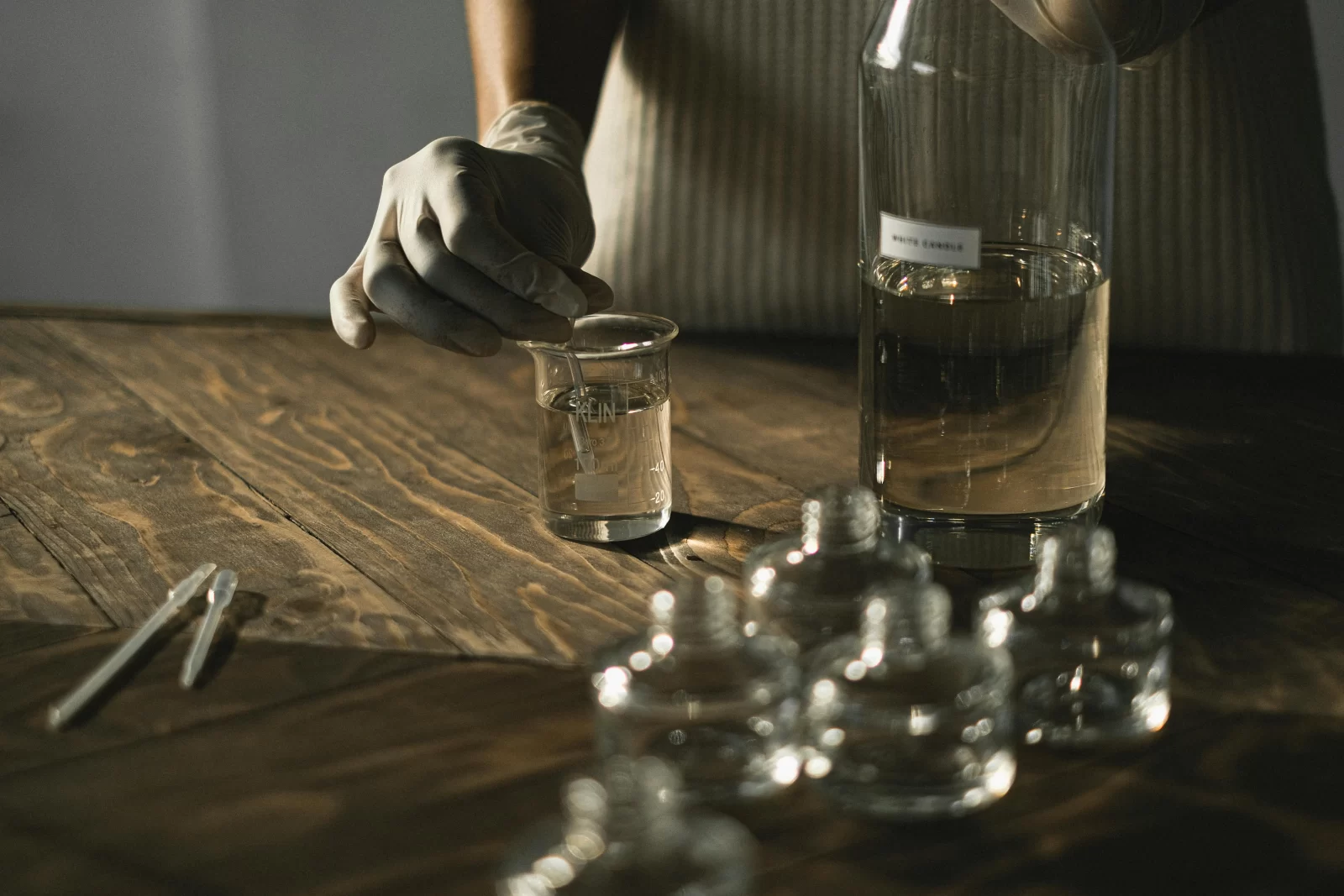
There is something quietly magical about perfume. A single spritz can lift your mood, evoke memories, and transform your presence. If you have ever browsed fragrance counters, you may have noticed labels like Eau de Parfum, Eau de Toilette, and Parfum and wondered what they really mean. Understanding the differences between EDP, EDT, and Parfum helps you choose a fragrance that fits your personality, the occasion, and even the weather. This guide walks you through a gentle perfume concentration overview, explaining how each type affects longevity, projection, and scent strength.
For those looking to explore fragrances online, discovering the best perfume shops online can help you access high-quality selections and rare scents with ease.
What is Eau de Parfum (EDP)?
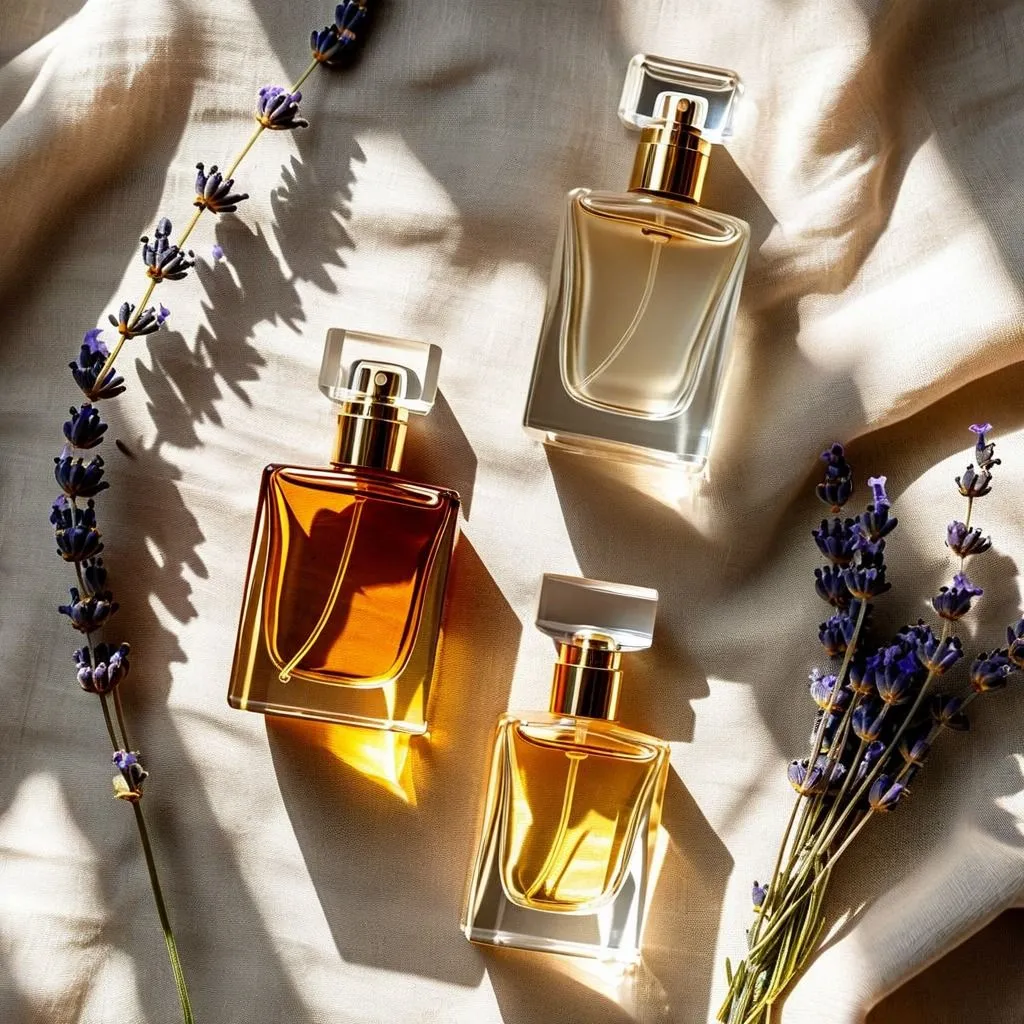
Eau de Parfum, or EDP, is one of the most popular choices for those seeking a scent that lasts throughout the day without being overpowering. With perfume oil content typically between 15 and 20 percent, EDP offers a richer, fuller experience than lighter fragrances. It strikes a beautiful balance between the brightness of top notes and the depth of middle and base notes.
EDPs evolve on the skin, revealing floral, woody, or spicy elements as they settle. They leave a noticeable but refined trail, creating a presence that feels confident and elegant. For instance, a rose-based EDP might start with a sparkling burst of citrus, then bloom into a lush heart of rose and jasmine, finally settling into soft vanilla or patchouli.
EDP is versatile and works well in cooler or moderate climates, making it suitable for meetings, dinners, or casual gatherings. If you want insight on quality retailers, you may also check best online perfume store reviews to see which platforms offer authentic and well-reviewed fragrances.
What is Eau de Toilette (EDT)?
Eau de Toilette, or EDT, is lighter and more playful than EDP. With a fragrance oil concentration between 5 and 15 percent, EDT emphasizes the top notes, providing a fresh, airy impression. Citrus, fruity, or herbal notes often dominate, creating a lively and approachable scent.
Because EDT evaporates more quickly, it is perfect for situations where you want a soft, refreshing fragrance. It suits warmer climates and casual daytime activities where a lighter scent is ideal. An EDT version of a floral perfume may feel sparkling at first, with hints of lemon or bergamot, while deeper floral or woody notes linger subtly.
For purchasing convenience, many fragrance enthusiasts explore options for the best perfume online to find curated selections with easy delivery.
What is Parfum?
Parfum, also called pure perfume or extrait de parfum, is the richest and most concentrated form of fragrance. With perfume oil content ranging from 20 to 30 percent or higher, Parfum offers a luxurious, long-lasting experience. Its scent unfolds slowly, revealing complex layers over hours.
Parfum emphasizes base notes such as vanilla, amber, oud, or musk, giving depth and warmth that lighter concentrations may not fully capture. It is ideal for evening events, cooler weather, or special occasions where you want your fragrance to feel indulgent and memorable. Only a small amount is needed to create a lasting impression, making it perfect for those who enjoy sophisticated, long-lasting scent experiences.
For seasonal shopping or rare finds, check curated lists of best online fragrance stores to discover scents that suit your style.
Differences Between EDP, EDT, and Parfum
Understanding fragrance strengths helps you select the right concentration for your lifestyle and personality.
EDT is lighter, fresher, and emphasizes top notes with quick evaporation and shorter longevity. EDP balances brightness and depth, lasting longer while highlighting middle and base notes. Parfum delivers richness, intensity, and long-lasting power, focusing on deep base notes that evolve slowly.
Even the same fragrance can smell different depending on its concentration. An EDT version of a perfume may feel lively and bright, EDP will provide a richer floral-woody blend, and Parfum elevates base notes for a deeply layered and enduring scent experience.
Which Concentration Should You Choose?
Factors to consider include:
1. Occasion
- Everyday wear: EDT is ideal for work, casual outings, or daytime events.
- Special events: EDP or Parfum provides a stronger, longer-lasting presence.
2. Personality
- Subtle and approachable: EDT suits those who prefer a light, airy touch.
- Bold and expressive: EDP and Parfum offer a more noticeable and luxurious aura.
3. Climate
- Hot climates: Lighter EDT fragrances prevent overwhelming your senses.
- Cold climates: Richer EDP and Parfum formulations perform well, as fragrance tends to last longer in cooler weather.
4. Scent Preference
- Quick, refreshing bursts: Choose EDT.
- Balanced, moderate richness: EDP is perfect.
- Deep, luxurious, long-lasting: Parfum provides the ultimate perfume experience.
5. Budget Considerations
Although not tied to price, Parfum often feels more indulgent due to its intensity. If you love layering scents or prefer minimal spritzing, a little Parfum goes a long way.
Conclusion
Understanding EDP, EDT, and Parfum allows you to choose fragrances that match your personality, occasion, and climate. Eau de Toilette provides light, refreshing wear for casual or daytime use. Eau de Parfum offers a balanced, longer-lasting experience for versatile use. Parfum delivers depth, luxury, and long-lasting presence for special occasions.
Selecting the right concentration ensures your fragrance becomes part of your signature style and leaves a memorable impression wherever you go. For a seamless shopping experience, consider trusted options like best perfume shops online or curated best online fragrance stores for authentic, high-quality scents.
FAQ
Q1: What is the main difference between EDP and EDT?
EDP has a higher fragrance oil concentration than EDT, making it longer-lasting, richer, and more noticeable. EDT is lighter, fresher, and ideal for casual wear or warm weather.
Q2: How long does each concentration last?
EDT lasts about three to five hours, EDP six to eight hours, and Parfum can last eight to twelve hours or more, depending on your skin chemistry and environment.
Q3: Can the same fragrance smell different in EDP and EDT?
Yes, the same fragrance may highlight different notes at different concentrations. EDT emphasizes bright top notes, EDP balances top and base notes, and Parfum brings depth to base notes.
Q4: Which concentration is best for hot weather?
EDT is usually preferable for warm weather because it is lighter and less likely to become overwhelming, while EDP and Parfum are better suited to cooler climates or evening wear.
Q5: How should I choose between EDP, EDT, and Parfum?
Consider the occasion, your personality, the climate, and how strong or long-lasting you want your fragrance to be. Daytime wear often suits EDT, versatile use favors EDP, and special events or luxurious experiences call for Parfum.
Q6: Is Parfum always the best choice?
Not necessarily. While Parfum is rich and long-lasting, it can be too intense for everyday wear or hot climates. It is best for those who enjoy a deep, opulent fragrance experience.