

Perfume oils represent some of the most concentrated and precious fragrances in the world. Whether you collect Attar, Essential oils, or modern Unisex perfume formulations, protecting these liquid treasures requires knowledge and care. Unlike traditional alcohol-based perfumes, oils can last decades when stored properly, but they can also deteriorate quickly under poor conditions. Learning how to Store Perfume Oil Collection effectively ensures your investment in these beautiful scents pays dividends for years to come.
The art of perfume oil storage goes beyond simply keeping bottles in a drawer. These concentrated formulations contain delicate aromatic compounds that react to light, temperature, air exposure, and even the materials they contact. From understanding chypre meaning in classical perfumery to preserving the integrity of modern fragrance for every occasion blends, proper storage techniques can mean the difference between a scent that evolves beautifully over time and one that loses its character entirely.
This comprehensive guide will walk you through every aspect of perfume oil preservation, from choosing the right storage containers to creating optimal environmental conditions. Whether you’re a beginner building your first collection or a seasoned enthusiast with rare Attar from the best online perfume shop, these proven methods will help maintain the quality and potency of your precious oils.
Understanding Perfume Oil Composition
Before diving into storage techniques, it’s essential to understand what makes perfume oils unique. Unlike alcohol-based fragrances, perfume oils use carrier oils like jojoba, fractionated coconut oil, or dipropylene glycol as their base. This composition affects how they age, react to environmental factors, and maintain their perfume notes over time.
Essential oils form the backbone of most perfume oil formulations. These concentrated plant extracts contain volatile organic compounds that give fragrances their distinctive characteristics. However, these same compounds make oils vulnerable to oxidation, heat damage, and light degradation. Understanding this vulnerability helps explain why proper storage is crucial.
The complexity of modern perfume oils often includes synthetic molecules alongside natural Essential oils. These formulations can contain anywhere from a handful to hundreds of different aromatic compounds. Each component has its own stability profile, meaning that improper storage can affect different perfume notes at different rates, leading to an unbalanced or deteriorated fragrance.
Temperature Control for Optimal Preservation
Temperature control stands as the most critical factor when you Store Perfume Oil Collection. Extreme temperatures accelerate chemical reactions that break down aromatic compounds, while temperature fluctuations cause expansion and contraction that can compromise bottle seals and introduce air into your oils.
The ideal storage temperature for perfume oils ranges between 60-70°F (15-21°C). This moderate range slows oxidation processes while preventing the oils from becoming too thick or viscous. Avoid storing oils in areas prone to temperature swings, such as bathrooms, kitchens, or rooms with direct heating and cooling vents.
Refrigeration can extend the life of certain Essential oils, but it’s not always necessary for well-formulated perfume oils. If you choose refrigeration, use a dedicated mini-fridge rather than your kitchen refrigerator to avoid temperature fluctuations from frequent door opening. Allow refrigerated oils to reach room temperature before use to prevent condensation issues.
Heat represents the greatest temperature-related threat to perfume oils. Temperatures above 80°F (27°C) can begin breaking down delicate aromatic molecules, particularly in chypre meaning traditional formulations that rely on oakmoss and other temperature-sensitive ingredients. Never store oils in cars, direct sunlight, or near heat sources like radiators or electronics.
Light Protection Strategies
Light exposure, particularly UV radiation, poses another significant threat to perfume oil integrity. Ultraviolet rays break down aromatic compounds through photodegradation, causing color changes, off-odors, and loss of complexity in fragrance for every occasion collections.
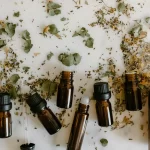
Dark glass bottles provide the first line of defense against light damage. Amber, cobalt blue, and dark green glass filter out most harmful UV rays while still allowing you to see the oil level. If your perfume oils come in clear glass, consider transferring them to dark bottles or storing them in opaque containers.
Storage location plays a crucial role in light protection. Choose areas away from windows, fluorescent lights, and other bright light sources. Even indirect natural light can cause gradual degradation over time. A closet, drawer, or dedicated storage cabinet provides excellent light protection while maintaining easy access to your collection.
For valuable or rare oils like traditional Attar, consider wrapping bottles in dark cloth or storing them in individual boxes. This extra layer of protection ensures minimal light exposure even when accessing other parts of your collection.
Air Exposure and Oxidation Prevention
Oxygen exposure triggers oxidation reactions that alter the chemical composition of perfume oils. This process can turn fresh, vibrant scents into stale, rancid-smelling disappointments. When you Store Perfume Oil Collection, minimizing air contact becomes a primary concern.
Bottle fill level directly impacts oxidation rates. Oils in half-empty bottles have more air contact surface area, accelerating degradation. Consider transferring partially used oils to smaller bottles to minimize headspace. Use clean, dark glass bottles with tight-fitting caps specifically designed for essential oil storage.
Cap and closure quality significantly affects air exposure. Dropper caps, while convenient for application, often don’t provide airtight seals. For long-term storage, replace dropper caps with solid screw-on caps that create better seals. Check caps regularly and replace any that show signs of wear or don’t seal properly.
Some collectors use inert gas displacement techniques for extremely valuable oils. Filling the headspace of bottles with argon or nitrogen gas displaces oxygen and virtually eliminates oxidation. While this technique requires special equipment, it can be worthwhile for irreplaceable Attar or vintage formulations.
Container Selection and Material Considerations
The containers you choose for perfume oil storage can significantly impact longevity and quality. Different materials interact differently with various aromatic compounds, making container selection a crucial aspect of collection care.
Glass remains the gold standard for perfume oil storage. It’s chemically inert, doesn’t absorb odors, and won’t react with most aromatic compounds. Choose thick-walled glass bottles that resist thermal shock and physical damage. Ensure caps create tight seals and replace any with worn gaskets or threads.
Plastic containers might seem convenient, but they often absorb aromatic compounds and can leach chemicals into oils over time. Some plastics are more suitable than others; high-density polyethylene (HDPE) and polyphenylene oxide (PPO) offer better chemical resistance than common plastics. However, glass remains the safer choice for valuable collections.
Metal containers require careful consideration. While some traditional Attar comes in metal bottles, certain metals can catalyze oxidation reactions. If using metal containers, ensure they have appropriate interior coatings and are designed specifically for fragrance storage.
Size considerations matter when selecting storage containers. Smaller bottles reduce air exposure for partially used oils, while larger containers work well for oils you use frequently. Maintain a selection of different sizes to match your usage patterns and collection needs.
Environmental Humidity Management
Humidity levels affect both your perfume oils and their storage containers. While oils themselves don’t absorb water directly, humidity can damage labels, corrode metal components, and create conditions for mold growth around bottle caps and storage areas.
Maintain relative humidity between 45-55% in storage areas when possible. This range prevents excessive dryness that can affect cork or rubber gaskets while avoiding the high humidity that encourages mold and corrosion. Use a hygrometer to monitor humidity levels in storage spaces.
Desiccant packets can help control humidity in enclosed storage containers or cabinets. Silica gel packets work well for this purpose, but ensure they don’t contact the oil bottles directly. Replace desiccants periodically as they become saturated with moisture.
Ventilation plays a role in humidity management. Stagnant air can trap moisture and create microclimates with higher humidity levels. Ensure storage areas have some air circulation while avoiding direct drafts that might cause temperature fluctuations.
Organization Systems for Large Collections
As your perfume oil collection grows, organization becomes essential for both preservation and enjoyment. A well-organized system helps minimize handling, reduces exposure time during selection, and makes inventory management easier.
Categorization methods vary depending on collection size and personal preferences. Some collectors organize by fragrance family, grouping chypre meaning scents together with other woody or mossy fragrances. Others prefer organization by brand, seasonal use, or acquisition date.
Inventory documentation helps track your collection and monitor any changes over time. Record purchase dates, sources (especially helpful when finding the best online perfume shop for specific items), and any observed changes in color or scent. This documentation proves valuable for insurance purposes and helps identify storage issues early.
Rotation practices ensure all oils in your collection receive attention and proper care. Regular use helps you notice any degradation early while preventing oils from sitting unopened for extended periods. Consider rotating seasonal fragrances based on weather and occasions.
Accessibility considerations affect how often you handle bottles and how long they remain exposed during selection. Store frequently used oils in easily accessible locations while keeping rarely used or valuable specimens in more protected storage. This approach minimizes exposure for your entire collection.
Special Considerations for Rare and Vintage Oils
Rare and vintage perfume oils require extra care and attention. These irreplaceable fragrances often have unique storage requirements based on their age, composition, and rarity.
Age-related changes in vintage oils are normal and can sometimes enhance complexity. However, distinguish between positive aging and degradation. Vintage oils may develop deeper, more complex perfume notes over time, while degraded oils often smell flat, rancid, or off-putting.
Documentation becomes even more critical for rare oils. Record detailed notes about appearance, scent, and any changes over time. Photograph bottles and labels for insurance and authentication purposes. This documentation helps preserve provenance and can be valuable for future collectors.
Storage isolation may be necessary for some vintage formulations. Some older oils contain ingredients or preservatives that might affect nearby fragrances. Consider storing extremely old or chemically unstable oils separately from the rest of your collection.
Professional evaluation might be worthwhile for extremely valuable pieces. Fragrance experts can assess condition, authenticity, and optimal storage conditions for museum-quality pieces in your collection.
Common Storage Mistakes to Avoid
Learning from common storage mistakes can save your collection from avoidable damage. These errors often result from misunderstanding perfume oil properties or overlooking environmental factors.
Bathroom storage represents one of the most common mistakes. The temperature and humidity fluctuations in bathrooms create terrible conditions for perfume oils. Despite the convenience of having fragrances near grooming areas, bathrooms should be avoided for storage.
Refrigerator sharing with food items can introduce odors and temperature fluctuations. If using refrigeration, invest in a dedicated unit or ensure food refrigerators maintain consistent temperatures and are odor-free.
Overfilling storage containers reduces organization and increases handling time. Each time you search through crowded containers, you expose multiple bottles to light and air. Maintain reasonable storage density to minimize unnecessary exposure.
Neglecting regular inspection allows problems to develop unnoticed. Check your collection periodically for signs of leakage, cap deterioration, or environmental issues. Early detection prevents minor issues from becoming major problems.
Seasonal Storage Adjustments
Different seasons bring unique storage challenges that require adjustments to your preservation strategies. Understanding these seasonal factors helps maintain consistent storage conditions year-round.
Summer heat poses the greatest seasonal threat to perfume oil collections. Air conditioning helps, but power outages or equipment failures can expose collections to damaging temperatures. Consider backup cooling strategies or temporary relocation during extreme heat events.
Winter heating systems often reduce humidity levels significantly. Dry air can affect cork gaskets and increase static electricity that attracts dust. Monitor humidity levels more closely during heating season and adjust humidity control measures accordingly.
Seasonal rotation of fragrances provides opportunities to inspect and reorganize your collection. Use these transitions to check for any storage issues, clean storage areas, and rotate stock to ensure even usage patterns.
Conclusion
Learning how to Store Perfume Oil Collection properly transforms these precious fragrances from temporary pleasures into lasting treasures. The techniques outlined in this guide, from temperature and light control to proper container selection, work together to preserve the complex perfume notes that make each oil unique. Whether you collect traditional Attar, modern Unisex perfume formulations, or specialized Essential oils, these storage principles apply universally.
The investment of time and attention required for proper storage pays dividends in the longevity and quality of your collection. A well-preserved perfume oil can maintain its character for decades, developing complexity and depth that makes it even more precious over time. From understanding chypre meaning in classical formulations to finding the best online perfume shop for additions to your collection, proper storage ensures every fragrance for every occasion remains as beautiful as the day you acquired it.
Remember that perfume oil storage is an ongoing process rather than a one-time setup. Regular monitoring, environmental adjustments, and careful handling all contribute to the long-term success of your preservation efforts. With these proven techniques, your perfume oil collection will continue bringing joy and beauty for years to come.