

Creating your signature scent is an art form that goes beyond simply spritzing your favorite cologne and calling it a day. The secret to achieving a complex, long lasting fragrance lies in the sophisticated technique of layering. Perfume oils for layering have become the cornerstone of modern fragrance enthusiasts who want to elevate their scent game and create truly personalized olfactory experiences.
When you master the art of layering fragrance oil vs essential oil beneath your cologne, you unlock a world of possibilities. You can extend the longevity of your favorite scents, add depth and complexity, and even transform a simple fragrance into something entirely unique. This comprehensive guide will walk you through everything you need to know about using perfume oils for layering, from understanding the basics to creating sophisticated combinations that work for any occasion.
Understanding the Fundamentals of Fragrance Layering
What Are Perfume Oils and Why Layer Them?
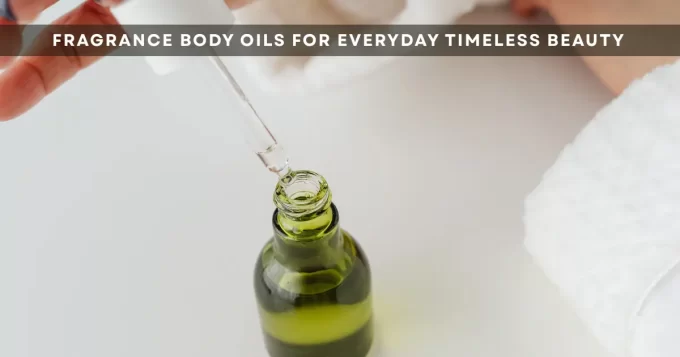
Perfume oils for layering are concentrated fragrance formulations that serve as the perfect foundation for your cologne. Unlike alcohol based perfumes, these oils contain a higher concentration of aromatic compounds, making them ideal base notes that help your top fragrances adhere better to your skin and last significantly longer.
The practice of layering involves applying different fragrance products in strategic layers to create a more complex and long lasting scent profile. When you understand how fragrance oil vs essential oil works in layering, you gain control over how your fragrance evolves throughout the day. Essential oils are pure plant extracts, while fragrance oils are carefully crafted blends that often include synthetic components designed specifically for perfumery.
The Science Behind Successful Layering
Your skin chemistry plays a crucial role in how fragrances develop and last. Perfume oils for layering work by creating a foundation that interacts with your natural oils, providing a base for your cologne to build upon. This interaction creates what perfumers call “fragrance architecture,” where each layer contributes to the overall olfactory experience.
Temperature and humidity affect how your layered fragrances perform. Warmer areas of your body, like pulse points, will project the scent more strongly, while cooler areas provide subtle background notes. Understanding these principles helps you create a fragrance for every occasion by adjusting your layering technique based on the environment and desired intensity.
Choosing the Right Base Oils for Your Cologne
Popular Base Oil Families
White musk remains one of the most versatile and popular choices for layering bases. This clean, soft scent provides an excellent foundation that enhances rather than competes with your cologne. White musk works particularly well with fresh, citrusy colognes and can transform them into more sophisticated, long lasting compositions.
For those who prefer more complex bases, chypre sublime offers a sophisticated blend of citrus, floral, and woody notes that creates depth and elegance. Chypre sublime works exceptionally well with classic men’s colognes and can elevate simple fragrances into something truly remarkable. This type of base oil adds a vintage, refined quality that many modern fragrances lack.
The delicate beauty of aroma of iris provides another excellent layering option. Aroma of iris brings a powdery, slightly sweet quality that works beautifully with both masculine and feminine fragrances, making it perfect for creating unisex perfume combinations that smell incredible on anyone.
Matching Base Oils to Cologne Types
When selecting your layering oils, consider the dominant notes in your cologne. Fresh, aquatic colognes pair beautifully with light, clean base oils, while spicy or woody colognes can handle richer, more complex bases. The goal is to create harmony rather than competition between your layers.
Unisex perfume layering has become increasingly popular as people move away from traditional gender boundaries in fragrance. By choosing versatile base oils and learning how to combine them with different colognes, you can create scent profiles that work beautifully regardless of traditional fragrance categories.
Application Techniques for Perfect Layering
The Foundation Layer Method
Start with clean, moisturized skin for the best results. Apply your chosen perfume oils for layering to pulse points, focusing on areas where you want the fragrance to last longest. The wrists, neck, and behind the ears are traditional spots, but consider also applying to the inner elbows and behind the knees for subtle, long lasting projection.
Allow the base oil to settle for several minutes before applying your cologne. This waiting period lets the oil absorb slightly and creates the perfect foundation for your top fragrance. The fragrance oil vs essential oil debate becomes important here, as fragrance oils typically blend more seamlessly with alcohol based colognes.
Layering for Different Occasions
Creating the best perfume for all occasions requires understanding how different environments and situations affect fragrance performance. For professional settings, start with a lighter application of base oils and choose subtle, clean scents that won’t overwhelm colleagues. White musk or light floral bases work perfectly for office environments.
Evening occasions call for richer, more complex layering. This is where sophisticated bases like chypre sublime truly shine, creating an aura of elegance that develops beautifully throughout the evening. The key to achieving fragrance for every occasion lies in adjusting both the intensity and the character of your layering combination.
Seasonal Considerations
Summer layering requires lighter touches and fresh base notes that won’t become cloying in heat and humidity. Winter allows for richer, more intense combinations that create warmth and comfort. Understanding these seasonal variations helps you maintain your signature scent while adapting to changing conditions throughout the year.
Advanced Layering Combinations and Techniques
Creating Signature Blends
The art of creating your unique unisex perfume combinations lies in experimentation and understanding how different notes interact. Start by testing small combinations on different areas of your arm, allowing each to develop fully before making judgments. What smells perfect initially might change dramatically as the fragrance settles and evolves.
Document your successful combinations, noting the specific oils, application amounts, and timing. This record keeping helps you recreate your best results and serves as a foundation for developing new combinations. Many fragrance enthusiasts keep detailed journals of their layering experiments.
Working with Complex Base Profiles
When working with sophisticated bases like chypre sublime, consider how the complex note structure will interact with your cologne’s composition. Chypre sublime contains multiple fragrance families, so it requires careful balancing to avoid creating muddy or conflicting scent profiles.
The ethereal quality of aroma of iris makes it perfect for adding sophistication to simple colognes. Aroma of iris can transform an everyday fragrance into something special for important events or romantic occasions. The key is using just enough to add depth without overwhelming the cologne’s original character.
Troubleshooting Common Layering Challenges
Avoiding Fragrance Overload
One of the most common mistakes in using perfume oils for layering is applying too much product. Remember that you’re creating a foundation, not competing with your cologne. Start with minimal amounts and build gradually until you achieve the desired effect.
If you find your layered fragrance becoming too intense or muddled, try reducing the amount of base oil or choosing simpler, cleaner bases. Sometimes the best perfume for all occasions is achieved through restraint rather than complexity.
Dealing with Skin Chemistry Variations
Everyone’s skin chemistry is unique, and what works beautifully on one person might not translate the same way on another. Factors like diet, hormones, medications, and even stress levels can affect how fragrances develop on your skin. This is why testing and patience are essential when developing your layering technique.
When experimenting with fragrance oil vs essential oil combinations, give each test adequate time to develop. What seems overwhelming initially might settle into something beautiful, while seemingly perfect combinations might fade quickly or develop unpleasant notes over time.
Building Your Layering Collection
Essential Oils for Beginners
Start your perfume oils for layering collection with versatile, crowd pleasing options. White musk serves as an excellent introduction to layering because it enhances almost any cologne without adding complexity that might conflict with your existing favorites.
Build your collection gradually, focusing on oils that work well with your current cologne rotation. This approach ensures that every purchase adds value to your fragrance wardrobe rather than creating expensive products that rarely get used.
Investment Pieces for Advanced Users
As your skills develop, consider investing in more sophisticated bases like chypre sublime or aroma of iris. These complex oils require more skill to use effectively but offer greater creative possibilities for the experienced layering enthusiast.
Quality matters significantly in layering oils. Higher quality products blend more seamlessly, last longer, and provide better value despite higher initial costs. Consider this an investment in your personal style and confidence.
The Future of Fragrance Layering
Emerging Trends and Innovations
The fragrance industry continues to evolve, with new unisex perfume options and innovative layering products appearing regularly. Solid perfumes, roll on oils, and even layering sprays offer new possibilities for fragrance enthusiasts who want to perfect their signature scent.
Technology is also playing a role, with apps that help track successful combinations and even AI powered scent matching services. However, the fundamental art of layering remains a personal, sensory experience that benefits from patience and experimentation.
Sustainable and Natural Options
Growing interest in natural and sustainable beauty products has led to increased availability of high quality, ethically sourced perfume oils for layering. These products often offer unique scent profiles and the satisfaction of supporting environmentally conscious brands.
When exploring natural options, remember that the fragrance oil vs essential oil distinction becomes even more important. Pure essential oils can be potent and may require different dilution and application techniques compared to traditional fragrance oils.
Conclusion
Mastering the art of perfume oils for layering opens up endless possibilities for creating your perfect signature scent. Whether you prefer the clean simplicity of white musk, the sophisticated complexity of chypre sublime, or the delicate beauty of aroma of iris, the key to success lies in understanding how these base layers interact with your favorite colognes.
Creating the best perfume for all occasions through layering is both an art and a science. It requires patience, experimentation, and a willingness to learn from both successes and failures. But the reward, a truly unique fragrance for every occasion that reflects your personal style and enhances your confidence, makes the journey worthwhile.
Remember that the goal of layering isn’t to create the strongest or most complex fragrance possible, but rather to enhance and personalize your existing favorites. Whether you’re creating unisex perfume combinations that break traditional boundaries or simply extending the life of your beloved cologne, the techniques and principles outlined in this guide will help you achieve your fragrance goals.
Start small, be patient with the process, and don’t be afraid to experiment. Your perfect layering combination is waiting to be discovered, and with these tools and techniques, you’re well equipped to find it. The world of perfume oils for layering offers endless creative possibilities for anyone willing to explore and experiment with this fascinating aspect of personal style.