

A faint waft of rain on hot pavement, and suddenly you are seven years old again, standing on your grandmother’s porch watching a summer storm roll in. The smell of an old book might transport you to a quiet university library, a place of silent ambition and whispered dreams. Scent is the most elusive yet powerful of our senses, a quiet narrator of our lives. It has an uncanny ability to unlock doors in our minds that we thought were long sealed, revealing memories and feelings with breathtaking clarity. It’s a profound emotional connection to fragrance that doesn’t require a hefty price tag; even a budget chypre can weave itself into the fabric of our most cherished moments, proving that the value of a scent lies not in its cost, but in the story it helps us tell.
Why Scents Are So Closely Tied to Memory

Have you ever wondered why a particular smell can trigger such a powerful emotional response? The answer lies in the unique way our brains are wired. Unlike our other senses, the sense of smell has a direct pathway to the parts of the brain responsible for memory and emotion. When we inhale a fragrance, the scent molecules travel to the olfactory bulb, which is intimately connected to the amygdala, the brain’s emotional center, and the hippocampus, where memories are formed. This close relationship means that scent and emotions are often recorded together as a single, unified experience. This is why the smell of baking bread might not just remind you of your childhood kitchen, but also flood you with the feeling of warmth, safety, and love you felt there. It’s a deeply personal and immediate connection, one that bypasses rational thought and speaks directly to the heart.
Fragrance as an Emotional Time Machine
A bottle of perfume is more than just scented liquid; it’s a vessel holding moments in time. Each fragrance we wear becomes an invisible signature of a particular chapter in our lives. The light, citrusy scent you wore during a carefree summer vacation can, years later, instantly bring back the feeling of sun on your skin and the sound of waves crashing. A specific floral perfume might forever be linked to your wedding day, evoking the joy and hope of that moment with a single spray. This is the magic of the emotional connection to fragrance and it acts as a time machine. The scent of a former partner’s cologne, caught on a stranger in a crowd, can stop you in your tracks, bringing forth a complex wave of nostalgia, happiness, or even heartache. These fragrances are anchors, tethering us to the people and places that have shaped who we are. They remind us not just of what happened, but of how we felt.
How Different Fragrance Styles Influence Mood
Just as colors can influence our emotional state, so too can the character of a fragrance. The study of how scent affects mood reveals that different fragrance families tend to evoke distinct feelings. Bright, fresh scents bursting with citrus or green notes often feel energizing and optimistic, perfect for lifting spirits and inspiring a sense of clean possibility. They are the scent of a new day, of clear skies and forward motion. On the other hand, warm, gourmand fragrances with notes of vanilla, cinnamon, or caramel tend to create a feeling of comfort, coziness, and intimacy. They wrap around you like a soft blanket, offering solace and a sense of gentle security. Woody and earthy scents, like sandalwood or vetiver, can ground us, promoting a sense of calm, stability, and focus. They connect us to the natural world, reminding us to breathe deeply and find our center.
Chypre Scents and Emotional Depth
Some fragrances are not meant for simple, fleeting feelings; they are crafted for introspection and emotional complexity. This is especially true of structured, multi-layered scents like those in the chypre family. A classic chypre builds a sophisticated contrast between a bright citrus top note and a deep, mossy base of oakmoss, labdanum, and patchouli. This inherent tension creates a scent that is both elegant and thought-provoking, evolving on the skin over time. Wearing something like a chypre sublime can feel like an expression of quiet confidence and inner depth. These are not loud, attention-seeking scents; rather, they invite contemplation. They are the fragrances of milestone moments, of quiet achievements, and of the rich, nuanced emotions that define our most meaningful experiences.
Why Personal Scent Memories Differ for Everyone
If you and a friend smell the same perfume, you might have entirely different reactions. One of you might find it comforting, while the other finds it unsettling. This is because our relationship with scent and emotions is intensely personal, shaped by a lifetime of unique experiences. Our culture and upbringing play a significant role; the smell of certain spices might mean celebration in one culture and something entirely different in another. Our environment also leaves its mark and the scent of pine trees might be nostalgic for someone who grew up near a forest, but unremarkable to someone who did not. Most importantly, our individual life events create powerful scent associations. The fragrance of roses might be romantic to many, but if that scent was present during a painful breakup, it could trigger sadness for you. Our personal scent library is a private collection, and each fragrance within it is cataloged with its own unique emotional tag.
Using Fragrance Intentionally to Influence Mood
Understanding the emotional power of fragrance enables us to use it intentionally. We can consciously choose scents to support our emotional well-being. On a stressful day, reaching for a perfume with calming lavender or chamomile can become a small ritual of self-care, a gentle reminder to pause and breathe. Before an important meeting, a confident, structured fragrance can serve as invisible armor, helping you feel more poised and assertive. You can even build a scent wardrobe for different moods and needs. A soft, musky scent might become your go-to for quiet evenings at home, fostering a sense of peace and relaxation. A vibrant, fruity fragrance could be reserved for social gatherings, encouraging a playful and outgoing state of mind. It’s about listening to your needs and choosing a scent that helps you create the emotional atmosphere you desire.
FAQs
Why do certain smells trigger strong memories?
Certain smells trigger strong memories because the olfactory bulb, which processes scent, is directly linked to the brain’s centers for emotion and memory. This intimate connection means that when you experience a scent, it is often stored alongside the emotions and events of that moment. Later, when you encounter that smell again, it can instantly unlock the entire memory and its associated feelings, often more vividly than a sight or sound could.
Can a perfume instantly change your mood?
Yes, a perfume can change your mood almost instantly. Because the sense of smell has a direct route to the brain’s emotional centers, a fragrance can bypass conscious thought and elicit an immediate emotional response. A spritz of a scent associated with happiness can provide a quick lift, while a calming fragrance can soothe anxiety, making it a powerful tool for mood regulation.
Why do people react differently to the same fragrance?
People react differently to the same fragrance because our scent perceptions are shaped by personal experiences, cultural backgrounds, and unique memories. A scent has no inherent meaning; we assign it meaning based on our past. A fragrance that reminds one person of a happy childhood vacation might evoke a different emotional reaction in another person, leading to completely opposite responses.
Do emotional scent memories fade over time?
Emotional scent memories are remarkably resilient and tend to fade much more slowly than other types of memories. While the specific details of an event might become fuzzy, the emotional feeling tied to a scent can remain potent for a lifetime. This is why a smell from decades ago can still evoke a powerful and immediate emotional rush, as if no time has passed at all.
Can fragrance help with stress or relaxation?
Fragrance can be a very effective tool for managing stress and promoting relaxation. Certain scents, like lavender, sandalwood, and chamomile, are widely recognized for their calming properties. Incorporating these aromas into your environment or personal care routine can help signal to your brain that it’s time to slow down, reduce anxiety, and enter a more peaceful state of mind.
Conclusion
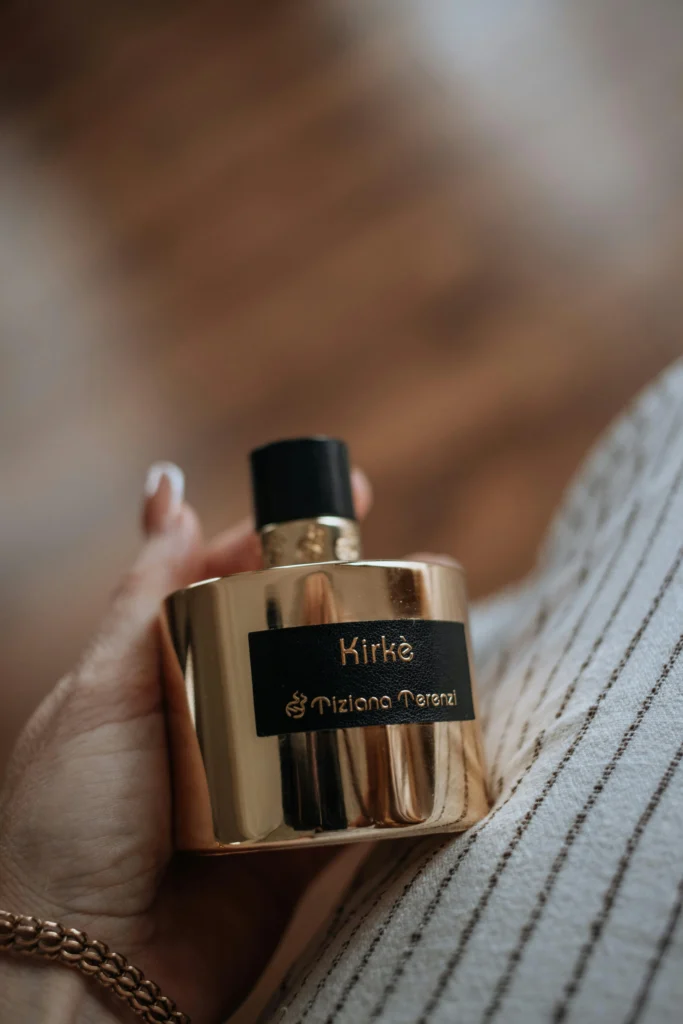
Fragrance is the silent poetry of our lives. It weaves itself into the background of our days, quietly documenting our joys, sorrows, loves, and transformations. Each scent we encounter and choose to wear becomes a part of our personal narrative, a key to unlocking the rich emotional landscape within. These scent and emotion connections are what make us uniquely human. The next time you catch a fleeting scent in the air, take a moment. Notice where it takes you. You might discover that the story of your life is written not just in words and pictures, but in the beautiful, invisible language of fragrance.