

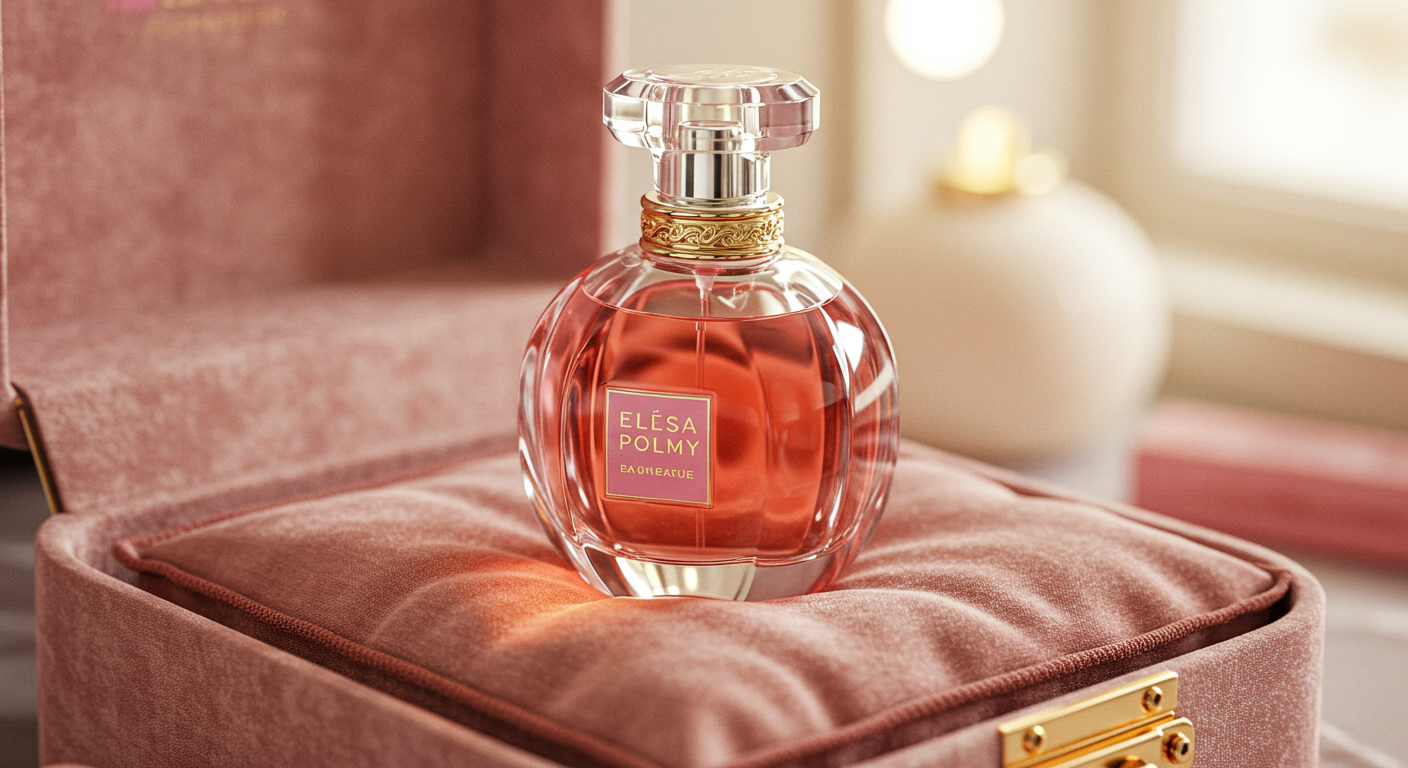
Fragrances have long been an integral part of human culture, from ancient rituals to modern-day fashion statements. If you’ve wandered down the aisles of a fragrance store or shopped online, you’ve likely come across terms like perfume, Eau de Cologne (EDC), and Eau de Toilette (EDT). With so many types to choose from, you’re probably wondering, “What is the difference between perfume and Eau de Cologne?”
This blog will provide an in-depth comparison between the two, covering everything from their history and fragrance concentration to their longevity, scent profiles, usage, and pricing. By the end of this post, you’ll know which one suits your personal preferences and lifestyle. Let’s get started.
The Origins of Perfume and Eau de Cologne
Perfume’s Rich History
Perfume, derived from the Latin phrase “per fumum” (through smoke), dates back thousands of years. Ancient Egyptians utilized exotic resins and oils in religious ceremonies, while the ancient Romans and Greeks used fragrances to enhance hygiene and their daily lives. Over time, the art of perfumery evolved, and it became a symbol of luxury and artistry, particularly during the Renaissance and beyond.
Eau de Cologne’s Beginnings
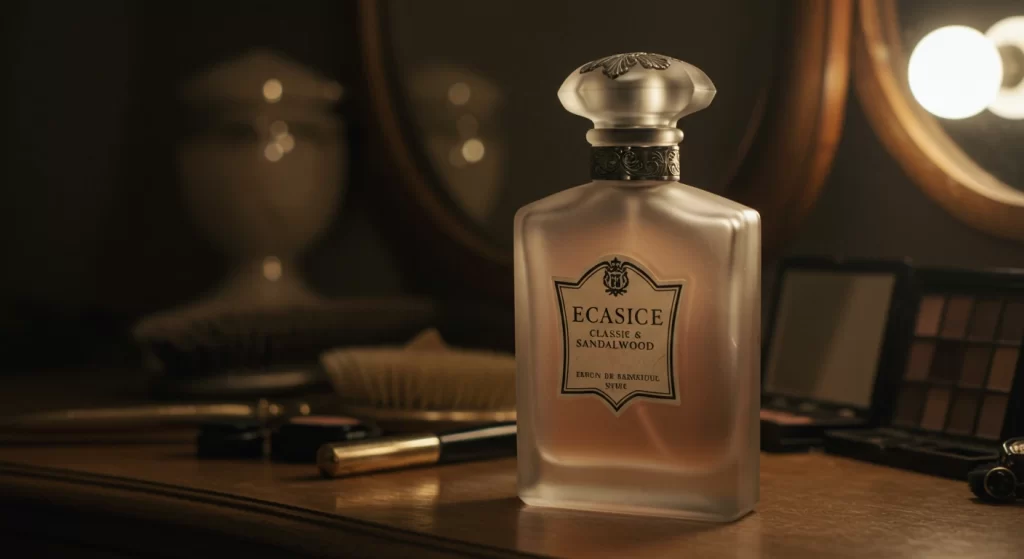
Eau de Cologne, on the other hand, has a more specific historical origin. It was first created by Italian-born perfumer Giovanni Maria Farina in 1709 in Cologne, Germany. He created a light, citrusy scent that quickly gained popularity as a refreshing, versatile fragrance. This iconic invention became known as “Eau de Cologne”, referring to its city of origin. To this day, the name has become a generic term for lighter concentration fragrances.
Fragrance Concentration Explained
One critical difference between perfume and Eau de Cologne lies in their fragrance oil concentration. This concentration determines the strength, longevity, and overall experience of the scent.
- Perfume (Parfum)
Perfume has the highest concentration of fragrance oils, typically between 20% and 30%. Thanks to this large percentage of oils, perfume exudes a richly layered and long-lasting scent. It is much denser and more potent compared to other fragrance types like Eau de Cologne or Eau de Toilette.
- Eau de Cologne (EDC)
Eau de Cologne usually has a lighter concentration of fragrance oils, ranging from 2% to 5%. This gives it a fresher, less overpowering presence. Often made with cooling citrus blends, Eau de Cologne is ideal for a quick, refreshing boost.
Other common fragrance types can help clarify this spectrum:
- Eau de Parfum (EDP) has 15%-20% oil concentration.
- Eau de Toilette (EDT) has 5%-15% oil concentration.
How Long Do They Last?
If you’re curious about how long your chosen fragrance will linger throughout the day, here’s how perfume and Eau de Cologne compare:
- Perfume Longevity
Perfume’s high oil content ensures it lasts the longest, ranging from 8 to 12 hours or more on the skin. Typically applied sparingly due to its intensity, perfume is excellent for special occasions or extended days.
- Eau de Cologne Longevity
Given its lighter concentration, Eau de Cologne is much more fleeting. On average, it lasts around 2 to 4 hours. Its refreshing nature often calls for multiple applications throughout the day.
The longevity can also vary based on individual skin chemistry, climate, and application method.
Typical Scent Profiles of Perfume vs. Eau de Cologne
Beyond their technical differences, perfume and Eau de Cologne often serve different olfactory purposes:
- Perfume Scent Profile
Perfumes feature richer and more complex scent compositions. Common notes include exotic florals, oud and musk, and rich elements like sandalwood essential oil or amber. Many women’s fragrance oils are crafted to leave an elegant, long-lasting impression.
- Eau de Cologne Scent Profile
Eau de Cologne focuses on light, fresh, and invigorating scents. Characterized by citrusy top notes and hints of herbs like lavender or rosemary, EDC is popular for its refreshing and uplifting aura.
For a vibrant variety, some brands even infuse Eau de Cologne with Bakhoor–inspired woody or musky undertones, offering a unique twist on its classic formula.
When and Where to Wear Them
Understanding which fragrance suits different occasions can help elevate your style and presentation. Here’s how to choose:
- Perfume
Best for formal events, romantic evenings, or cold weather, perfume shines in moments where you want a powerful impact. A few sprays on your pulse points can last all day without the need for reapplication.
- Eau de Cologne
Ideal for casual settings or hot, humid climates, Eau de Cologne is perfect for a morning pick-me-up or post-workout refresh. Its light and breezy scent makes it well-suited for everyday wear.
Pro tip: If you’re experimenting with multiple types of fragrances, consider mixing lighter colognes with perfumes to create a signature scent that complements your mood or occasion.
Comparing Price Points
The difference between perfume and Eau de Cologne often extends to their price points:
- Perfume Cost
Due to its higher oil concentration, intricate formulation, and long-lasting staying power, perfume is significantly more expensive. Each bottle is a meticulous creation that balances artistry and chemistry.
- Eau de Cologne Cost
Eau de Cologne is typically more affordable, both because of its diluted formula and its larger bottle sizes intended for frequent use.
Ultimately, your choice will depend on your budget and how you plan to incorporate fragrance into your lifestyle.
Final Thoughts on Choosing Between Perfume and Eau de Cologne
Perfume vs. Eau de Cologne isn’t a question of superiority but one of purpose. If you’re looking for a luxurious, long-lasting scent to make a statement, perfume is the way to go. If you need a light, refreshing fragrance for daily use, Eau de Cologne is a fantastic choice.
For newcomers to fragrances, experimenting with an array of Eau de Colognes or other lighter scents like Eau de Toilette (EDT) can be both fun and budget-friendly. Don’t forget to explore scented oils like Attar, which offer another dimension of elegance and longevity. Whether it’s a bottle of high-end perfume or a citrusy cologne, there’s no wrong choice. What matters most is how it makes you feel.
FAQs About Perfume and Eau de Cologne
Q1. Can you layer perfume and Eau de Cologne together?
Yes! Layering fragrances can help create a personalized scent. Just ensure the notes complement each other—for example, Almajlis a citrus cologne pairs well with woody perfumes.
Q2. Why is it called Eau de Toilette?
Eau de Toilette takes its name from the French term “faire sa toilette,” meaning to wash or get ready.
Q3. Does Eau de Cologne work for women?
Absolutely! While traditionally marketed to men, Eau de Cologne has unisex scents with citrusy and fresh profiles that appeal to everyone.
Q4. How do I choose between Eau de Toilette vs. Eau de Cologne?
Eau de Toilette tends to last longer due to its higher oil concentration, while Eau de Cologne is more suited for short-term freshness.
If you’re still unsure, try sampling both types to find your signature scent!