


When it comes to wearing cologne, application matters just as much as selection. Even the most luxurious fragrance can underperform if not applied correctly. Whether you use Eau de Cologne (EDC), Eau de Toilette (EDT), or Eau de Parfum (EDP), understanding where and how to apply cologne ensures you get the most out of every spritz.
In this guide, we’ll explore precise application techniques, explain the role of perfume notes, and highlight why understanding your cologne’s composition enhances its impact. By the end, you’ll know not only where to apply cologne as a man but also how to properly apply cologne for maximum effect.
The Fundamentals of Fragrance Application
Why Proper Cologne Application Matters
Imagine buying an expensive cologne only for its scent to fade within minutes or overpower everyone in the room. Both issues often stem from poor application techniques. Applying cologne correctly ensures:
- Longevity: The scent lasts longer.
- Effectiveness: The fragrance projects subtly without overwhelming the senses.
- Enhanced Sillage: This refers to the trail your cologne leaves as you move, adding to its allure.
Understanding Perfume Notes and Their Importance
Fragrances are far more complex than they may seem. Every cologne has distinct perfume notes that affect how and where it’s best applied.
- Top Notes: These are the first scents you smell upon application, usually light and fleeting (e.g., citrus, bergamot, or rose).
- Middle Notes (Heart Notes): These develop after the top notes fade, forming the core scent (e.g., lavender, nutmeg, or geranium).
- Base Notes: Linger the longest and provide depth (e.g., sandalwood essential oil, white musk, or amber).
By understanding your cologne’s note structure, you can optimize its projection and longevity.
Choosing the Right Formulation for Your Needs
Before applying, it’s essential to know the distinction between EDP, EDT, and EDC. The primary difference lies in the concentration of fragrance oils:
- Eau de Parfum (EDP): Contains 15-20% fragrance oils, lasts 6-8 hours, and is perfect for evening wear.
- Eau de Toilette (EDT): Features 5-15% oils, offering a lighter scent ideal for daytime use.
- Eau de Cologne (EDC): With 2-4% oils, this formulation is the most diluted, suited for a subtle, short-lived fragrance experience.
Each formulation requires nuanced application techniques for optimal results.
Where to Apply Cologne for Maximum Effect
Now that we’ve covered the basics, it’s time to learn about specific pulse points—the most effective areas where fragrance should be applied. These spots radiate heat, helping the scent to unfold and linger.
1. The Neck
The neck is one of the most popular pulse points. Spraying cologne on the sides of your neck allows for maximum diffusion as the warmth from your skin activates the perfume notes. Avoid over-spraying; a single spritz on each side is enough.
2. The Wrists
Your wrists are another prime location. Gently spritz and avoid rubbing them together. Rubbing crushes the top notes and diminishes the fragrance’s overall structure.
3. Behind the Ears
Applying cologne behind your ears combines effectiveness with subtlety. This area remains warm throughout the day, amplifying your scent without overwhelming those around you.
4. The Chest
Spraying cologne on the chest creates a subtle, intimate aura of fragrance. Men often prefer this area for stronger formulations like EDP.
5. Inner Elbows
The inner elbows are as effective as the wrists but less exposed, making them ideal for long-lasting diffusion.
6. Back and Shoulders
If you prefer a more understated approach, a light misting on your back and shoulders can ensure a subtle yet enticing fragrance.
How to Properly Apply Cologne for Different Occasions
- Work Settings: Stick to subtle notes like white musk or light floral-based EDTs. Apply sparingly on the neck and wrists.
- Dates or Social Events: Opt for more complex scents with sandalwood essential oil or amber base notes. These linger alluringly when applied on the chest or pulse points behind the ears.
Pro tip: Avoid heavy application before exercising since body heat and sweat can amplify fragrances uncontrollably.
How to Properly Apply Cologne for Maximum Effect
Prepping Your Skin for Application
Clean, moisturized skin enhances cologne performance. Follow these steps before application:
- Shower First: Applying cologne to clean skin helps it cling and last longer.
- Hydrate Your Skin: Use an unscented moisturizer or hydrating cream to prevent the fragrance from drying quickly.
Application Dos and Don’ts
- DO Spray from a Distance: Hold the bottle 5-7 inches from your skin to ensure an even mist.
- DO Apply to Skin, Not Clothes: While fabrics absorb scent, they don’t heat up like skin does, reducing sillage.
- DO Use Sparingly: One to three sprays are all you need. Overloading can be distracting or off-putting.
- DON’T Rub the Fragrance: Rubbing disrupts the balance of perfume notes, altering your scent’s character.
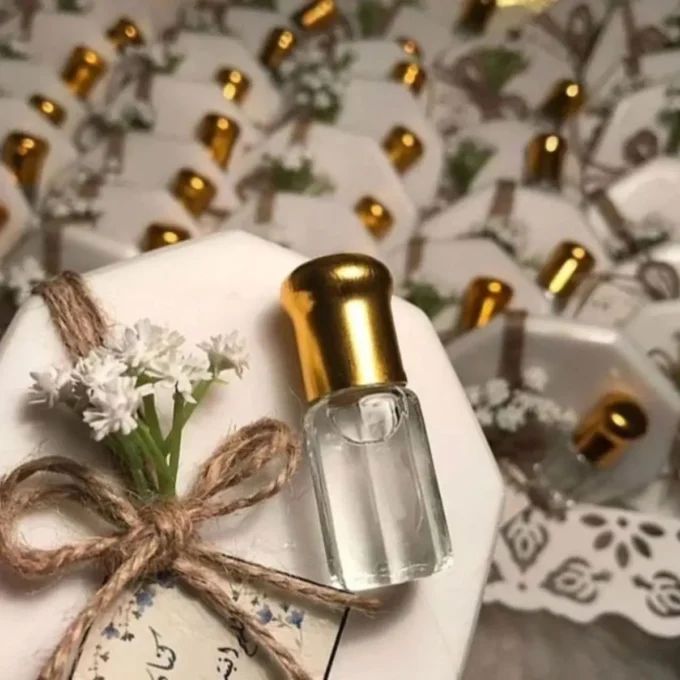
Using Perfume Wax and Solid Fragrances
Perfume wax differs slightly from liquid colognes. It’s solid, compact, and less volatile. To apply:
- Warm the wax between your fingertips.
- Dab it onto pulse points like your inner wrists or neckline.
- Reapply throughout the day since wax-based scents tend to fade faster.
This is a great alternative for men who prefer more control over their fragrance application or want something easy to carry.
Enhancing Longevity with Layering Techniques
Layering involves combining different products to amplify a scent. Consider these steps:
- Start with a Matching Body Wash and Lotion: Many high-end brands offer body care that complements their colognes.
- Apply Cologne After Moisturizing: Hydrated skin retains fragrance better.
- Use Essential Oils for Perfume Extenders: Oils like jojoba or coconut can be applied to pulse points before cologne to lock in the scent.
For a sophisticated touch, experiment with fragrance layering by mixing complementary scents. For example, pairing women’s fragrance oils with masculine colognes can result in a unique, balanced aroma.
Common Mistakes to Avoid
Even seasoned cologne enthusiasts aren’t immune to these pitfalls:
- Over-applying: Less is more when it comes to cologne. Overwhelming scents can repel rather than attract.
- Spraying into the Air: You might see this tactic in commercials, but it wastes product without adding value to your sillage.
- Ignoring Seasonal Suitability: Lighter citrus or aquatic fragrances work best in summer, while woody or spicy scents shine in winter.
Correcting these habits allows your cologne to perform optimally.
The Role of Quality Ingredients in Cologne
The ingredients in your cologne play a significant role in how it smells and behaves. Some popular men’s cologne notes include:
- Woody Scents: Sandalwood essential oil, cedarwood, and vetiver are defining qualities of classic men’s colognes.
- Floral Notes: Despite being more common in women’s fragrances, notes like geranium or lavender are staples in softer, modern colognes.
- Musk: White musk offers a clean, slightly powdery scent, frequently used as a base note for depth and sophistication.
Whether you prefer the smoky depth of amber or the brightness of citrus, understanding your fragrance’s profile helps you choose an appropriate one.
Final Thoughts
Mastering the art of cologne application isn’t rocket science, but it requires attention to detail. Knowing where to apply cologne, whether on your neck, wrists, or behind your ears, can significantly boost its impact. Complement these tactics with a deep understanding of perfume notes and high-quality formulations like EDC, EDT, or EDP to elevate your fragrance game.
Now that you’re equipped with these tips, why not experiment with your favorite cologne and discover the best methods to leave an unforgettable impression? A well-applied cologne isn’t just a scent; it’s a statement.