

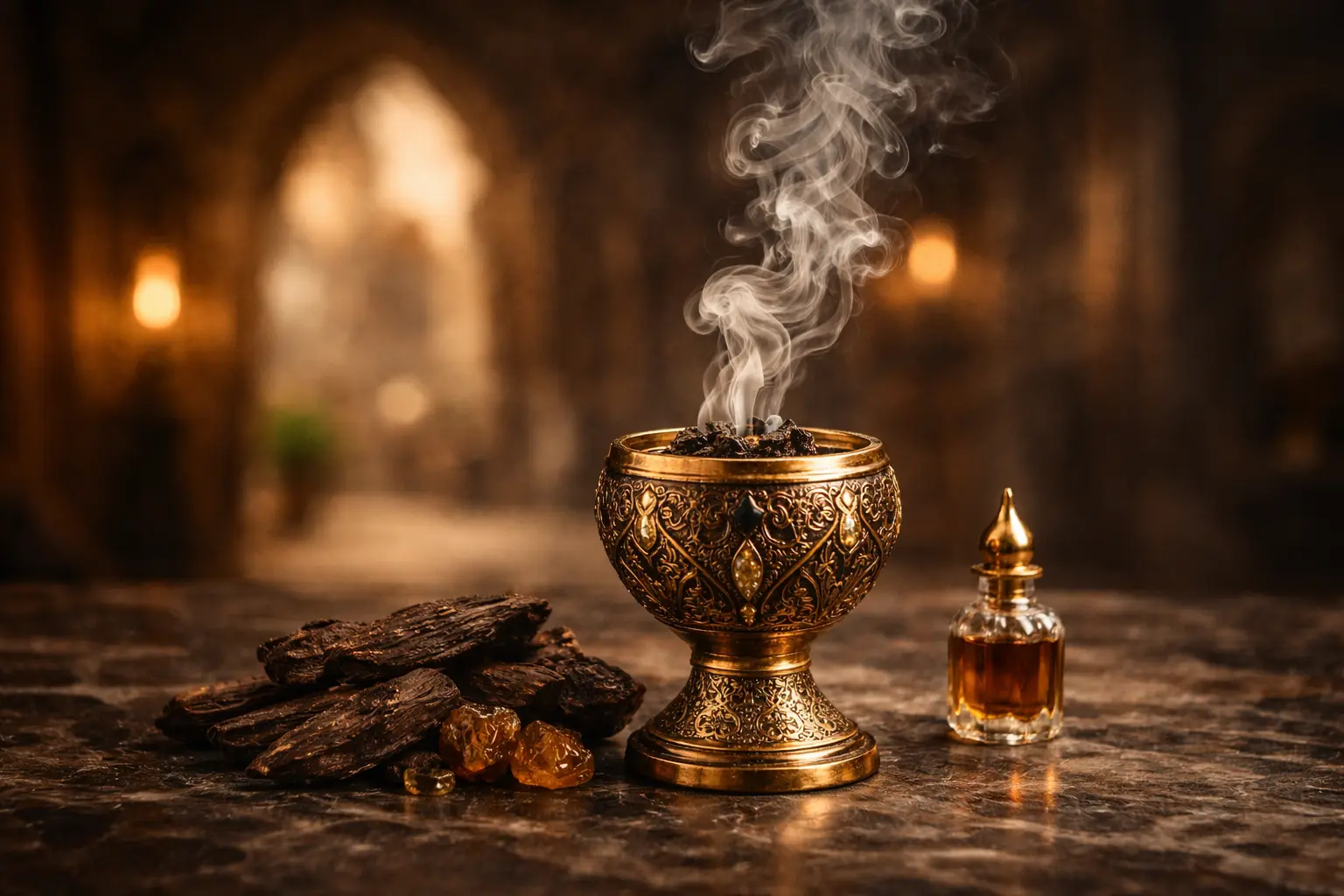
Walk through the bustling souks of Dubai or the vibrant bazaars of Mumbai, and you will eventually encounter a scent that stops you in your tracks. It is not merely a smell; it is a presence. It is deep, woody, and intensely smoky, with a whisper of sweetness that lingers in the air long after the wearer has passed. This is Oud, known as “liquid gold” by perfumers and cherished as a cultural treasure across the Middle East and South Asia. For millions of people, Oud is far more than just a fragrance ingredient. It is a symbol of hospitality, a marker of status, and a sensory bridge to the past. Whether wafting from a burning agarwood chip in a guest room or applied as a luxurious oil on the pulse points, the scent of Oud evokes a sense of home, history, and spiritual depth that few other fragrances can match.
This profound connection to scent is deeply rooted in the region’s history, where fragrance is not just an accessory but a way of life. The tradition of applying Attar natural perfume oils derived from flowers, spices, and woods has been practiced for millennia, with Oud serving as the crown jewel of this aromatic heritage. From ancient trade routes to modern luxury boutiques, the love for Oud transcends borders and generations, uniting diverse cultures under a shared appreciation for its complex, resinous beauty.
Historical & Cultural Significance of Oud
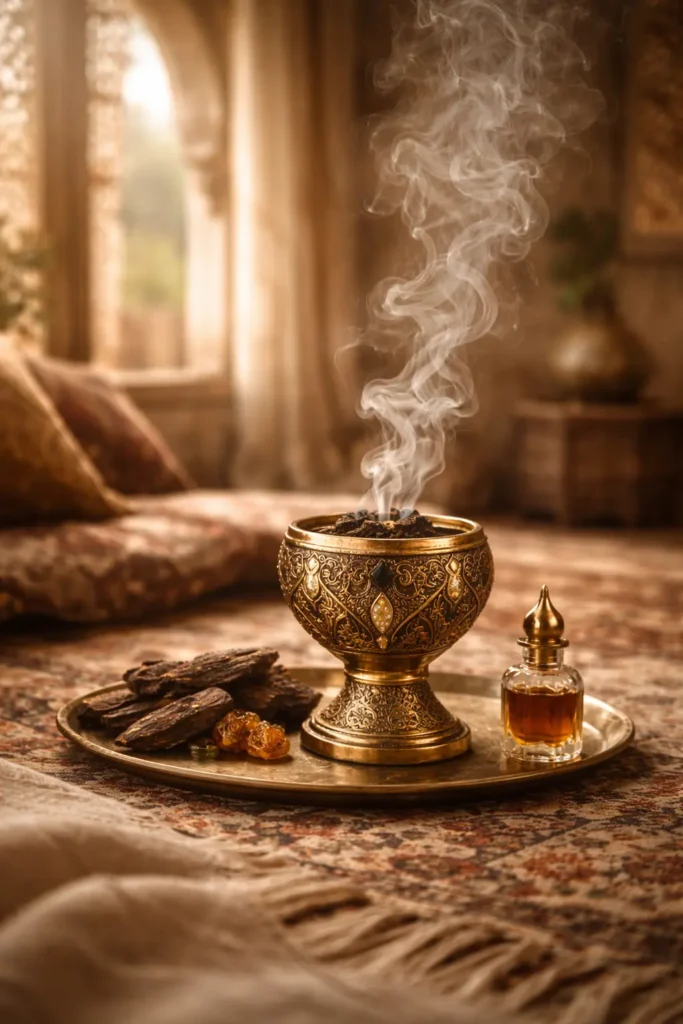
The story of Oud begins centuries ago, deep within the aquilaria trees of Southeast Asia and India. When these trees become infected with a specific mold, they produce a dark, fragrant resin to protect themselves. This resinous heartwood, known as Oud, was recognized by ancient civilizations almost immediately for its value. In the Middle East and South Asia, the burning of Oud wood chips, or bakhoor, became an integral part of daily life and special occasions alike. It is a scent that permeates the fabric of society, quite literally clinging to the robes and veils of those who stand over the fragrant smoke to perfume their clothing before stepping out into the world.
In many households, offering Oud to a guest is the ultimate gesture of hospitality. It signifies honor and respect, a way to welcome someone into your space with the finest luxury you can offer. During Eid celebrations or weddings in the Gulf region or Pakistan, the air is thick with the aroma of burning agarwood, creating a collective sensory memory that binds the community together. This is not a fleeting trend but a ritual passed down from grandparents to grandchildren. The scent becomes a backdrop for life’s most significant moments, from the quiet intimacy of prayer to the joyous raucousness of a marriage feast. It is a fragrance that commands attention, demanding that you pause and appreciate the weight of the moment.
Furthermore, Oud holds a spiritual dimension that elevates it above typical perfumes. In Islamic culture, cleanliness and pleasant scents are highly regarded, and the Prophet Muhammad is said to have loved the scent of Oud. This religious endorsement cemented its status across the Muslim world, making it a staple for Friday prayers and religious gatherings. The smoke rising from a burner is often seen as a way to purify a space, clearing the air of negativity and inviting a sense of peace and contemplation. This blend of the sacred and the social is why Oud remains so deeply embedded in the cultural identity of the region, acting as an invisible thread that connects the earthly to the divine.
Fragrance Composition and Characteristics
To understand why Oud is so loved, one must first understand its complexity. It is not a single note but a symphony of olfactory experiences. At its core, Oud is rich, animalic, and earthy. It possesses a dark, balsamic quality that feels heavy and substantial, unlike the fleeting citrus or light floral scents popular in the West. The magic lies in its evolution on the skin. When first applied, it can be intense, almost medicinal or smoky, challenging the nose with its raw power. However, as it warms up, it settles into a warm, velvety sweetness that is incredibly seductive and long-lasting.
This longevity is one of Oud’s most prized characteristics. In the sweltering heat of the Middle East and South Asia, lighter perfumes evaporate quickly, leaving no trace. Oud, however, endures. Its heavy molecular structure allows it to cling to skin and fabric for days, creating a personal aura that surrounds the wearer. To enhance this richness, perfumers often blend Oud with other luxurious natural materials. A classic combination pairs the dark intensity of agarwood with the creamy, milky softness of Sandalwood oil, which smooths rough edges and adds a soothing, meditative quality to the fragrance.
The composition often includes floral elements to create balance. The deep, masculine woodiness of Oud provides the perfect canvas for the brightness of rose or the heady sweetness of jasmine. This interplay between the heavy base and the lighter top notes creates a tension that makes the fragrance dynamic and intriguing. Unlike synthetic woody notes that can feel flat or one-dimensional, natural Oud has a depth and warmth that feels alive. It reacts to body chemistry in unique ways, meaning that the same oil can smell different on two different people, adding to its mystique and personal appeal.
Types and Variations
The world of Oud is vast, offering a spectrum of scents that vary wildly depending on the origin of the wood and the method of extraction. Agarwood sourced from India, often called Hindi Oud, is famous for its barnyard-like, animalic profile that is bold and unapologetic. It is a scent for the connoisseur, one who appreciates the raw, primal nature of the ingredient. In contrast, Oud from Cambodia tends to be sweeter and fruitier, with hints of berries and dried plums, making it more approachable for those new to the fragrance. Indonesian Oud might offer earthy, damp forest notes, while Thai Oud can sometimes present lighter, floral nuances.
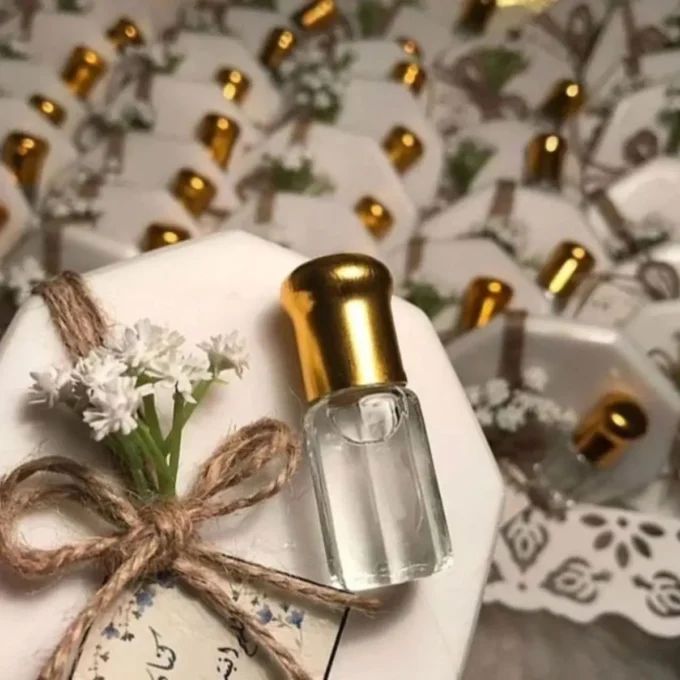
This diversity is mirrored in the way Oud is prepared and sold. While Western perfumery often relies on alcohol-based sprays, the traditional method in the East focuses on oil-based perfumes. Exploring the different Types of Attar reveals the artistry involved in these preparations. Some are pure, undiluted Oud oils, which are incredibly potent and expensive, often aged like fine wine to deepen their character. Others are mukhallats, or blends, where the master perfumer mixes Oud with musk, amber, rose, and saffron to create a harmonious bouquet.
The method of distillation also plays a crucial role in the final scent profile. Hydro-distillation, where the wood is boiled in water, often yields a smoky, robust oil. Steam distillation can produce a cleaner, woodier scent. The aging process further refines the oil; just as a jagged stone is smoothed by the river, a raw Oud oil mellows and matures over time, losing its initial harshness and gaining a rounded, resinous complexity. This variety ensures that there is an Oud for every preference, from the person who wants to announce their presence with a thunderous cloud of scent to the one who prefers a subtle, skin-close whisper of luxury.
Modern Usage and Trends
While deeply rooted in tradition, Oud has found a vibrant new life in the modern world. It has crossed the cultural divide, captivating Western noses and becoming a staple in the collections of high-end designer houses and niche perfumeries alike. However, in its home regions of the Middle East and South Asia, the trend has evolved from purely traditional oils to sophisticated, contemporary blends. Modern perfumery has embraced Oud not just as a solo act but as a versatile base that can anchor complex, multi-layered compositions suitable for a global audience.
Today, you will find Oud in unisex fragrances that challenge traditional gender norms. The scent profile is no longer strictly masculine or feminine; it is simply powerful. Younger generations who want to honor their heritage while embracing modern aesthetics are drawn to lighter, more airy interpretations of Oud. These modern blends often incorporate fresh citrus, crisp spices, or a subtle floral scent to cut through the density of the wood. This fusion creates a fragrance that feels relevant for an office setting or a casual brunch, rather than being reserved solely for weddings or religious ceremonies.
The rise of niche perfumery has also led to a renewed appreciation for artisanal, sustainable Oud. As wild agarwood becomes rarer, there is a growing trend toward ethically farmed Oud that mimics the complex profile of the wild variety without harming the ecosystem. This shift appeals to the environmentally conscious consumer who still craves the luxury and history associated with the scent. From Dubai’s glittering malls to the artisanal shops of Lahore, Oud continues to reinvent itself, proving that an ancient ingredient can remain cutting-edge and fashionable in a rapidly changing world.
How to Wear Oud
Wearing Oud is an art form that requires a delicate balance, as its potency can easily overwhelm if not applied correctly. The key to mastering this fragrance lies in understanding its strength. For pure Oud oil, a tiny drop is often enough. The traditional method is to swipe the applicator on the inside of the wrist, rub the wrists together gently, and then dab the excess behind the ears or on the neck. This allows the body’s heat to slowly release the scent throughout the day, creating a personal scent bubble rather than a room-filling cloud.
Layering is another popular technique, particularly in the Middle East. It is common to start with a moisturizing body lotion, perhaps scented with musk or amber, followed by a swipe of Oud oil. To finish, one might spray a lighter, alcohol-based perfume often floral or citrusy over the top. This creates a unique, multidimensional fragrance signature that is entirely your own. The Oud acts as a fixative, grabbing onto the lighter notes and extending their lifespan, while the top notes provide a fresh opening that eventually reveals the dark, woody heart of the Oud.
When choosing occasions, consider the environment. The heavy, resinous nature of Oud shines best in cooler weather or evening settings where its warmth can be fully appreciated. In the heat of summer, it is best to opt for lighter blends or apply it very sparingly. Understanding sillage the trail of scent left behind—is also important. Oud has massive sillage, so if you are working in a close-quarters office, a lighter hand is necessary. Conversely, for an outdoor event or a large celebration, you can afford to be more generous, allowing the scent to weave through the crowd and announce your presence with elegance.
Frequently Asked Questions
One of the most common questions regarding this precious ingredient is what makes Oud so expensive. The high cost is primarily due to the rarity of the raw material. High-quality agarwood is produced only when the Aquilaria tree is infected by a specific mold, a process that can take decades in the wild. Furthermore, the yield of oil from the wood is incredibly low, requiring huge amounts of raw material to produce just a few milliliters of oil. This scarcity, combined with the labor-intensive extraction process, drives the price of genuine Oud to astronomical levels, often surpassing the price of gold.
People also frequently wonder if Oud can be worn daily. The answer is a resounding yes, though the type of Oud matters. While deep, barnyard-style Ouds might be too intense for a morning commute, there are countless cleaner, softer, and more modern blends designed for everyday wear. Many enthusiasts have a “daily driver” Oud that is lighter and fresher, saving their aged, heavy oils for special occasions. It becomes a signature scent, a part of their daily grooming ritual that grounds them before they start their day.
Another point of confusion is how Oud differs from other woody scents like cedar or sandalwood. While cedar is dry and pencil-shaving-like, and sandalwood is creamy and milky, Oud is in a league of its own. It is far more complex, possessing sweet, balsamic, smoky, and sometimes animalic facets that other woods lack. It has a depth and a “funk” that gives it character, making it feel more like a living, breathing substance than a static wood note.
Readers often ask about the benefits of Attar and Oud blends specifically. The main benefit is the absence of alcohol, which makes the scent gentler on the skin and longer-lasting. Attars develop slowly, morphing over hours, providing a more intimate scent experience. Additionally, the natural oils in attars tend to moisturize rather than dry out the skin. Blending Oud in an attar format allows for a richness that alcohol sprays often struggle to replicate, capturing the true soul of the ingredients.
Finally, there is curiosity about which floral notes complement Oud best. The classic partner is the rose, particularly the Damask rose or Taif rose. The sharp, lemony freshness of the rose cuts through the dark, heavy woodiness of the Oud, creating a perfect yin-yang balance. Jasmine is another favorite, adding a narcotic, heady sweetness that amplifies the seductive quality of the Oud. Saffron, though a spice, often bridges the gap between floral and woody notes, adding a leathery, metallic sweetness that pairs exceptionally well with agarwood.
Conclusion
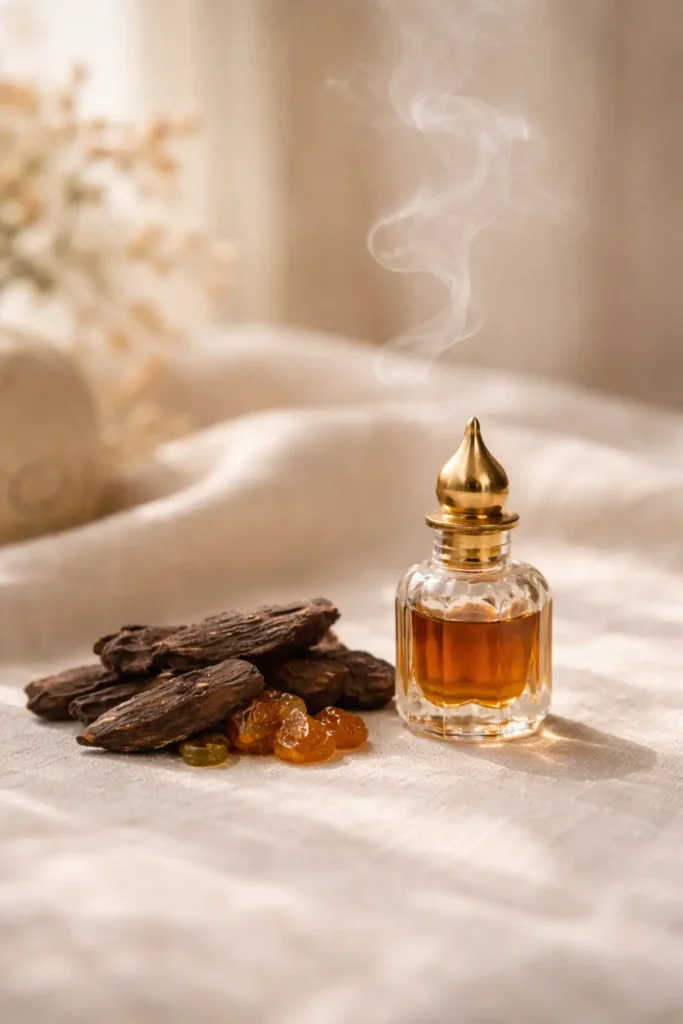
Oud remains a timeless, cherished fragrance across Middle Eastern and South Asian cultures, standing as a testament to the region’s love for beauty, tradition, and luxury. It is a scent that tells a story of ancient trade routes, of welcoming homes, and of spiritual devotion. It commands respect and invites intimacy, wrapping the wearer in a cloak of history and sophistication.
For those who have yet to experience it, exploring the world of Oud perfumes and oils is a journey worth taking. It invites you to step away from the ordinary and embrace a scent profile that is bold, complex, and utterly unique. By wearing Oud, you connect with centuries of tradition and elegance, finding a new way to express your own identity through the power of fragrance. Whether you choose a subtle modern blend or a deep, traditional oil, the magic of “liquid gold” is waiting to be discovered.