

Most people use perfume every day, but very few actually understand what they are wearing.
They spray it, like it, maybe even get compliments… and that is where the thinking stops.
If it smells good, it is good. That is usually the full logic behind it.
But there is more happening inside that bottle than most people realize.
And once you start looking at it, perfume stops feeling random. It starts making sense.
People Focus on Smell, Not Structure
When someone tries a fragrance, the first question is always simple.
Does it smell nice?
That is it.
No one really asks what creates that smell or why it behaves the way it does after a few hours.
But perfume is not just a single scent sitting in a bottle.
It is built. Layered. Structured.
What you smell is a combination of different ingredients working together over time.
And those ingredients are not all the same.
What Is Actually Inside a Perfume
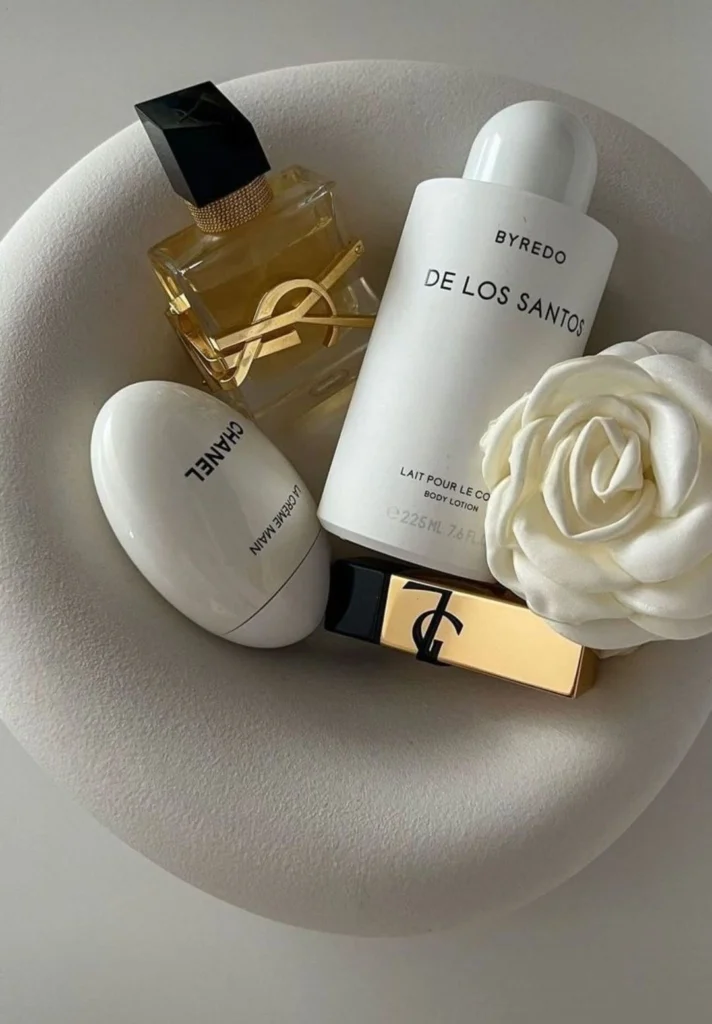
Most perfumes are made using a mix of oils and alcohol.
Alcohol helps the fragrance spread quickly when you spray it.
Oils are what carry the actual scent.
Together, they create what you experience as perfume.
But not all oils are the same.
And this is where things start to separate into different types.
Fragrance Oil vs Essential Oil
One of the most important differences is fragrance oil vs essential oil.
And the gap between them is not complicated when explained simply.
Essential oils come from natural sources.
Flowers, woods, plants. They are extracted and used for their natural aroma.
Fragrance oils are different.
They can be natural, blended, or created in a lab to build specific scent profiles that are not always possible through natural extraction alone.
Neither is automatically better. They just work differently.
And that difference affects how a perfume behaves on your skin.
Why This Difference Matters
Once you understand the type of oil used, a lot of things start making sense.
Like why some perfumes feel light and disappear quickly.
Or why others feel deep and stay noticeable for hours.
It is not random. It is based on how the fragrance is built.
Essential oils often give a softer, more natural feel.
Fragrance oils can be designed to last longer or create stronger scent profiles.
This is why two perfumes can smell completely different in performance even if they seem similar at first spray.
How It Changes the Way a Perfume Feels
The ingredients affect more than just smell.
They influence how the scent sits on your skin.
How long it stays.
How it develops over time.
A lighter blend may feel fresh and airy.
A richer one may feel warm and noticeable for longer periods.
Neither is better. They just serve different moods and situations.
This is where understanding oil fragrance helps.
It gives context to why perfumes behave the way they do instead of feeling unpredictable.
Why Some Perfumes Feel Soft and Others Feel Heavy
You have probably noticed this before.
Some perfumes feel almost weightless.
You spray them and they feel clean, soft, easy to wear.
Others feel stronger, more present, sometimes even intense.
That difference often comes down to concentration and ingredient type.
Higher oil content usually means more depth and longer staying power.
Lighter blends feel easier to wear in casual settings or daytime use.
This is why people often prefer different scents depending on mood or occasion, like perfume notes changing across different stages of wear.
The Role of Perfume Notes in All This
Even though ingredients matter, structure also plays a big role.
Perfumes are not static. They change over time.
This is where perfume notes come in again.
The first impression fades.
Then something softer appears.
Later, something deeper stays behind.
This is why the same scent can feel different depending on when you notice it.
Understanding both structure and ingredients gives a clearer picture of how everything works together.
Why Some Scents Feel Natural While Others Feel Designed
Some fragrances feel close to nature.
Others feel more crafted and polished.
That difference often comes from the balance between essential oils and fragrance oils.
Essential oils can give a more organic feel.
Fragrance oils allow more creativity in building unique scent profiles.
Together, they shape how a perfume expresses itself.
And that expression is what people experience as scent.
Women’s Fragrance and Oil Based Blends
In many cases, especially with women’s fragrance oil, you will notice softer transitions and smoother scent development.
These blends are often designed to feel wearable in different settings.
Not too sharp. Not too overwhelming.
Just balanced enough to work across daily use and special moments.
Again, this is not about better or worse. It is about intention in creation.
Why Understanding Perfume Ingredients Helps
Once you understand what goes into a fragrance, your expectations change.
You stop judging everything the same way.
You realize why some perfumes are meant for light wear.
Why others are designed to stay noticeable for longer.
Why certain scents feel more natural and others feel more structured.
It becomes easier to understand what you are actually choosing.
Simple Real Life Example
Think of two perfumes.
One feels fresh, almost like clean air with a hint of flowers.
The other feels warm, slightly deeper, and stays with you longer.
At first glance, you might just think one is stronger.
But in reality, they are built differently.
One may rely more on essential oils.
The other may use a stronger blend of fragrance oils.
Both serve different purposes.
Not Every Perfume Is Built the Same
This is something most people do not think about.
Perfumes are not made with the same formula.
Some are designed for light everyday wear.
Some are made for longer presence.
Some focus more on natural feel.
Others focus on projection and lasting impact.
Once you understand this, it becomes easier to match a scent with your lifestyle instead of just picking randomly.
A Simple Way to Look at It
Instead of asking only “does it smell good,”
It helps to also think:
What is this made from
How is it meant to behave
How long will it stay close to me
This kind of thinking slowly improves how you choose fragrances without making it complicated.
Final Thoughts
Perfume is not just about smell.
It is about what is inside it and how those ingredients behave on your skin over time.
Once you understand the difference between oils and structure, choosing a scent becomes clearer, less confusing, and more aligned with how you actually want to wear it.
FAQs
1. What is the difference between fragrance oil and essential oil?
Fragrance oils are usually blended or synthetic, while essential oils are natural extracts from plants and flowers.
2. Does this difference affect how a perfume smells?
Yes, it can affect depth, strength, and how long the scent lasts on your skin.
3. Are essential oils better than fragrance oils?
Not necessarily. Both have their own purpose depending on the type of perfume being created.
4. Why do some perfumes feel stronger than others?
It depends on concentration, ingredients, and how the fragrance is structured.
5. Do I need to understand perfume ingredients to choose one?
Not fully, but having a basic idea helps you make more confident choices.