

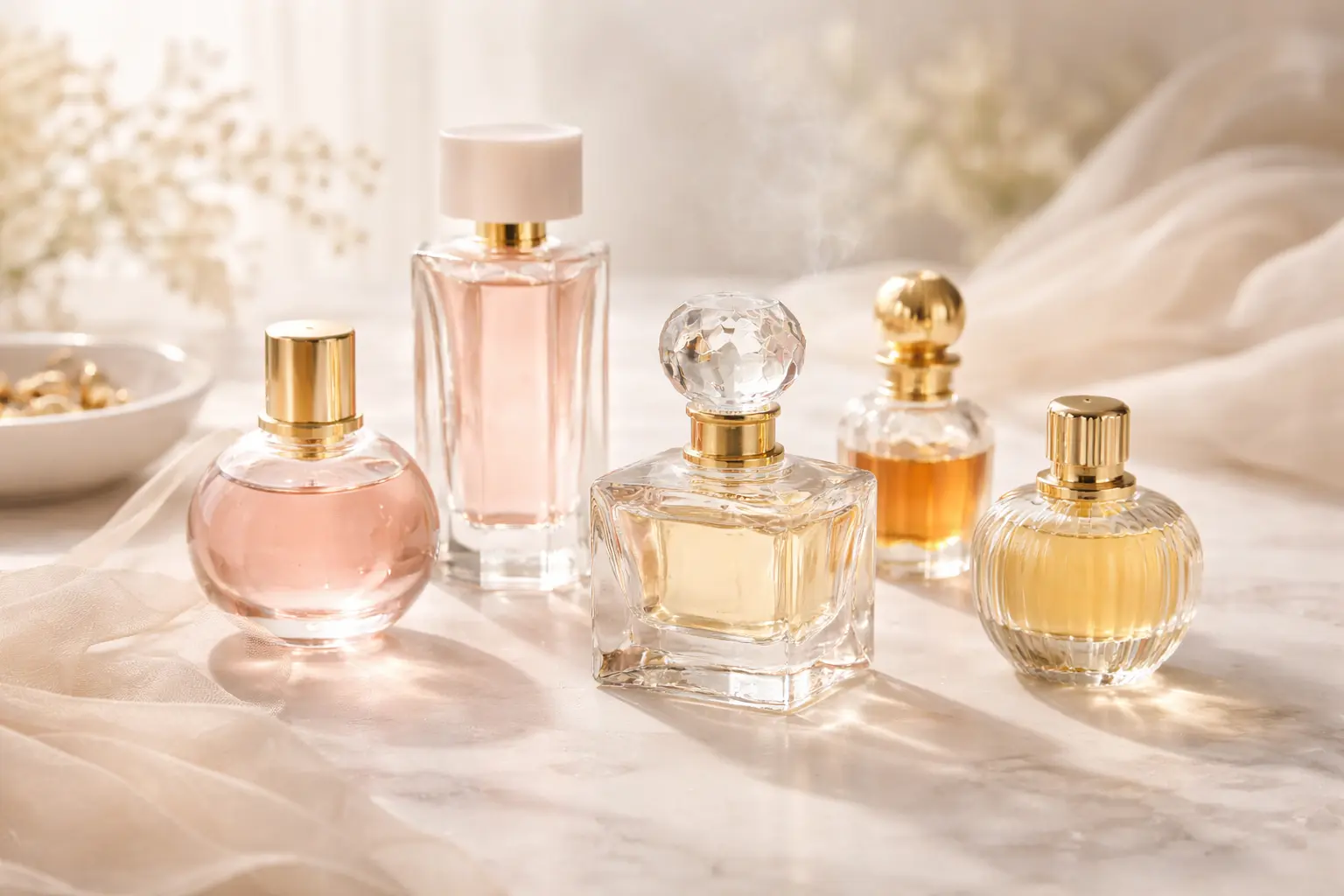
Fragrance is far more than just a beauty ritual; it is an invisible accessory that announces your presence and lingers in your absence. We often search endlessly for that one perfect bottle that encapsulates our entire personality, but the truth is that a single perfume rarely captures the multifaceted nature of who we are. This is where the art of layering comes into play. By blending different fragrances, you become the alchemist of your own allure, crafting a customized aroma that no one else can replicate. It is a creative form of self-expression that transforms your daily routine into a sensory experiment, allowing you to wear your mood, your memories, and your style on your skin.
The impact of a truly personalized fragrance cannot be overstated, especially given how deeply memory is tied to our sense of smell. A well-curated scent can turn heads and leave a lasting impression long after you leave the room. When you master the technique of layering, you are no longer just wearing a popular brand; you are wearing a unique olfactory signature. This guide is designed to help you navigate the exciting world of fragrance cocktailing, ensuring you have the confidence to mix, match, and create a signature vibe that feels authentic to you.
What Is Perfume Layering?
At its core, perfume layering, often referred to in the industry as “cocktailing,” is the practice of wearing multiple scents simultaneously to create a new, harmonious aroma. However, thinking of it simply as spraying two perfumes on top of each other creates a limited view of the possibilities. Layering is a holistic approach to scent that can begin in the shower and end with your final spritz before walking out the door. It involves combining different scented body products, such as body washes, lotions, and oils, with your fine fragrances to build a complex aromatic profile. The goal is not just to smell stronger, but to smell better and more interesting.
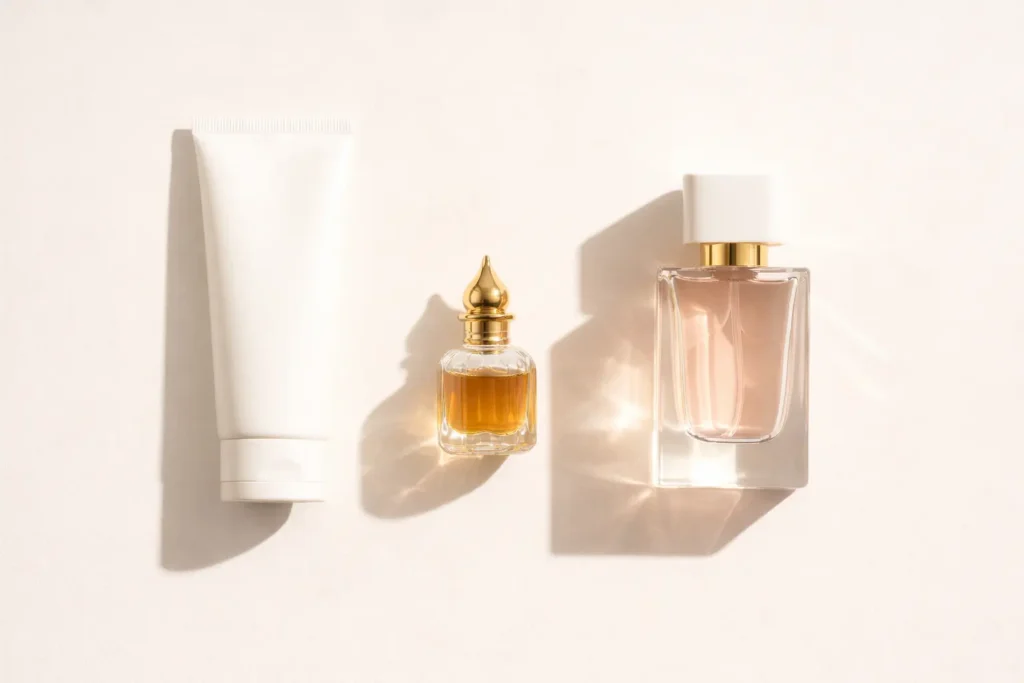
When you layer perfumes, you add dimension to a fragrance that might feel flat or one-dimensional on its own. For instance, you might take a very simple, linear citrus perfume and layer it over a woody base to give it grounding and warmth. This technique allows you to customize the longevity and projection of your scent. By applying a rich body cream before your perfume, you create a hydrated base that holds onto fragrance molecules longer, extending the life of your scent throughout the day. It is a way to take control of your fragrance wardrobe, breathing new life into bottles that might otherwise sit gathering dust because they felt too simple or fleeting on their own.
Why Creating a Signature Scent Matters
Creating a signature scent through layering is an act of intentionality that deepens your connection to your personal identity. In a world where mass-market trends often dictate what we wear, having a fragrance that is distinctively yours creates a sense of individuality. It separates you from the crowd. When you layer, you are not just smelling like the latest bestseller; you are smelling like a specific mood or a cherished memory. This personalization creates an emotional connection to your fragrance routine, turning it from a mundane task into a moment of self-care and creativity. You begin to understand what scents make you feel confident, relaxed, or romantic, and you can tailor your mixtures to amplify those feelings.
Furthermore, a layered signature scent is dynamic rather than static, evolving with you through different seasons of life and shifts in your mood. You might have a core combination that feels like “home,” but you can tweak it slightly for different occasions. Perhaps you add a spicy note for an evening out or a splash of green freshness for a stressful day at the office. This fluidity makes your signature scent feel alive and responsive. It becomes a conversation starter and a memorable trademark. People will stop asking “What are you wearing?” and start saying “You always smell so incredible,” acknowledging the unique aura that you have cultivated.
Understanding Fragrance Notes Before Layering
Before you begin mixing bottles haphazardly, it is incredibly helpful to understand the basic architecture of perfume, which is built on notes. Imagine a pyramid divided into three sections: top notes, middle notes, and base notes. The top notes are the first thing you smell when you spray a perfume; they are usually light, volatile scents like citrus, berries, or fresh herbs. They evaporate quickly, often within the first fifteen minutes. Understanding this is crucial because if you layer two perfumes that are only top notes, your scent will be intense for a moment and then vanish completely.
The middle notes, often called the heart notes, emerge once the top notes settle. These form the core personality of the fragrance and usually consist of florals, spices, or fruits. They last longer than top notes and serve as the bridge to the bottom of the pyramid. Finally, the base notes are the heavy hitters ingredients like vanilla, musk, amber, and rich woods. These notes linger for hours, providing depth and longevity. When layering, balance is key. A general rule is to combine perfumes that share a common note or have complementary structures, such as anchoring a flighty floral heart with a solid musk base. Understanding this hierarchy helps you visualize how two different perfumes will dry down together on your skin.
How to Start Layering Perfumes
If you are new to fragrance layering, the best approach is to start with a “less is more” mindset and build your confidence gradually. Begin by selecting two scents that are relatively simple, rather than mixing two complex, heavy hitters, which can easily clash and become overpowering. A great starting point is to choose a dominant scent that will serve as your anchor usually something with warm, woody, or musky notes and spray that first. Let it settle on your skin for a moment. Then, apply a lighter, airier scent on top to act as a highlight. This prevents the lighter notes from being completely suffocated by the heavier ones.
Another beginner-friendly method is to layer different textures rather than just liquid perfumes. Start with a scented body lotion or oil immediately after a shower while your pores are open. This creates a subtle, all-over background scent. Once your skin is moisturized, apply your main perfume to your pulse points. This technique is much harder to mess up and often yields a more natural, “lived-in” fragrance. For a classic, foolproof combination, try pairing a clean, fresh citrus or musk base with a bright floral perfume to create a soft yet distinctive combination that feels romantic without being cloying. Always test your combinations on your skin, not just on paper strips, as your personal body chemistry plays a massive role in the final outcome.
Common Layering Mistakes to Avoid
While experimentation is encouraged, there are a few pitfalls that can turn a beautiful scent experiment into an olfactory headache. One of the most common mistakes is layering too many heavy, complex fragrances at once. If you combine a potent oud with a heavy tuberose and a spicy amber, the result will likely be a thick, suffocating cloud rather than a nuanced melody. It is usually safer to mix one complex scent with a simpler, single-note fragrance (like a linear vanilla or a clean musk) to keep the composition breathable and pleasant.
Another error to avoid is judging the combination immediately upon application. Perfumes need time to “dry down” and interact with your skin’s oils. What smells chaotic in the first thirty seconds might settle into something stunning after ten minutes. Give your creation time to breathe before you decide if it works or if you need to scrub it off. Additionally, be mindful of over-application. Nose blindness is real; just because you can’t smell it anymore doesn’t mean others can’t. When layering, you are applying twice the amount of fluid, so consider using lighter sprays or walking through a mist rather than dousing your pulse points heavily.
When and Where Perfume Layering Works Best
The beauty of perfume layering lies in its adaptability, making it suitable for virtually any setting if approached correctly. During the daytime or in professional environments, layering works best when focused on fresh, clean, and subtle notes. You might layer a white musk lotion with a light tea-scented perfume to create an aura of cleanliness that isn’t distracting to colleagues. The goal here is a “skin-scent” vibe something that smells like you, only better.
Conversely, evening events, romantic dates, and colder seasons are the perfect playground for bolder, richer combinations. This is when you can bring out the spices, resins, and gourmand notes. Layering a smoky wood scent with a sweet vanilla creates a cozy, inviting warmth that cuts through the cold air on a winter night out. Special events are also an excellent time to debut a signature combo because the scent will become linked to that specific memory. By adjusting your layers, your fragrance wardrobe becomes a versatile toolkit that ensures you always match the atmosphere of your destination.
Frequently Asked Questions About Fragrance Layering
Is perfume layering suitable for beginners?
Absolutely, perfume layering is accessible to everyone regardless of their experience level. You do not need to be a professional perfumer to know what smells good to you. Beginners should start by mixing scents within the same fragrance family, such as pairing two citrus scents or two florals, as these are almost guaranteed to harmonize. As you get more comfortable, you can start branching out into contrasting families, like mixing sweet gourmands with spicy orientals. The only requirement is a willingness to play and experiment.
How many perfumes should I layer at once?
While there is no hard limit, it is generally recommended to stick to two or three scents to avoid creating a muddy or overwhelming result. Two scents are usually sufficient to create a unique signature without losing clarity. If you are including body products like lotions and oils in your count, you might have three layers a scented lotion, a base perfume, and a top note topper. Beyond three, it becomes difficult for the nose to distinguish the different notes, and the scents may start to cancel each other out rather than enhance one another.
Can I layer perfumes from different brands?
Yes, you can and absolutely should layer perfumes from different brands. In fact, this is one of the best ways to ensure your scent is truly unique. Brands often use proprietary bases or accords that give their entire line a similar “DNA,” so mixing across brands helps you break away from a recognizable commercial smell. Do not feel loyal to a single design house; trust your nose to tell you which combinations work, regardless of the label on the bottle.
Does layering make perfume last longer?
Layering is one of the most effective strategies for increasing the longevity of your fragrance. When you layer, you are often applying a moisture base (like a lotion or oil) or a heavier base note perfume, both of which help to anchor lighter, more volatile molecules to your skin. This creates a fixative effect, preventing the scent from evaporating too quickly. A citrus scent that usually disappears in an hour can last half the day if it is layered over a rich amber or sandalwood oil.
How do I know if my layered scent works?
The best way to know if your layered scent works is to live with it for a few hours and pay attention to how it makes you feel. If you catch whiffs of yourself and smile, or if you feel confident and comfortable, it is a winner. You can also ask a trusted friend or partner for their honest opinion. Remember that scent is subjective; what matters most is that you enjoy the aroma bubble you have created. If it gives you a headache or feels cloying, simply wash it off and try a different combination next time.
Conclusion
Perfume layering is a journey of discovery that invites you to step outside the boundaries of traditional fragrance wearing. It transforms the morning routine from a passive habit into an active, creative ritual. There is no rulebook that you must follow perfectly, and the only limit is your own imagination. Whether you are seeking comfort, confidence, or a touch of mystery, the perfect scent combination is waiting for you to find it. So, go ahead and raid your vanity, mix the high-end with the high-street, blend the florals with the woods, and trust your instincts. The most beautiful fragrance in the world is the one that captures the essence of you.