

Fragrance is far more than a simple cosmetic choice or a final touch to an outfit; it is a profound, invisible language that has been spoken by civilizations for millennia. Across the globe, scent serves as a bridge between the physical and the spiritual, the past and the present, the individual and the community. It is a vessel for memory, capable of transporting us back to a grandmother’s kitchen or a sacred temple in an instant. In many societies, the application of perfume is not merely a routine but a ceremonial act that signifies respect, devotion, and identity. Whether used to welcome guests, sanctify a space, or mark a rite of passage, perfume rituals reveal a culture’s deepest values, weaving an aromatic tapestry that tells the story of humanity itself.
While we often associate these elaborate scent practices with opulence and rare ingredients, the history of perfume rituals is grounded in accessibility and daily life. You do not need a royal treasury to participate in the art of fragrance. In fact, finding a budget chypre can be the perfect entry point into understanding how complex, layered scents have been appreciated by people from all walks of life throughout history. These traditions remind us that the magic of perfume lies not in its price tag, but in the intention behind its use and the emotions it evokes.
Perfume as a Cultural Language
In every corner of the world, scent communicates what words often cannot. It is a silent form of expression that signals social standing, intent, and even spiritual cleanliness. In some communities, the absence of fragrance is almost unthinkable, akin to appearing in public without clothing. The specific notes chosen often reflect the landscape and the local resources, creating a sensory map of the region. For instance, the use of heavy, resinous scents in arid climates is not accidental; these molecules cling better to the skin in heat and tell a story of resilience and depth. Conversely, in humid tropical environments, lighter, fleeting florals evoke the ephemeral beauty of nature.
This olfactory language extends into interpersonal relationships as well. Offering scent to another person is a universal gesture of goodwill and intimacy. It breaks down barriers, inviting the other person into one’s personal sphere. The shared experience of smelling a fragrance creates a momentary bond, a synchronized inhalation that aligns two people in a single sensory reality. This is why fragrance, across cultures, often plays a central role in greetings and farewells, ensuring that a meeting begins with sweetness and ends with a lingering memory.
Middle Eastern Perfume Rituals
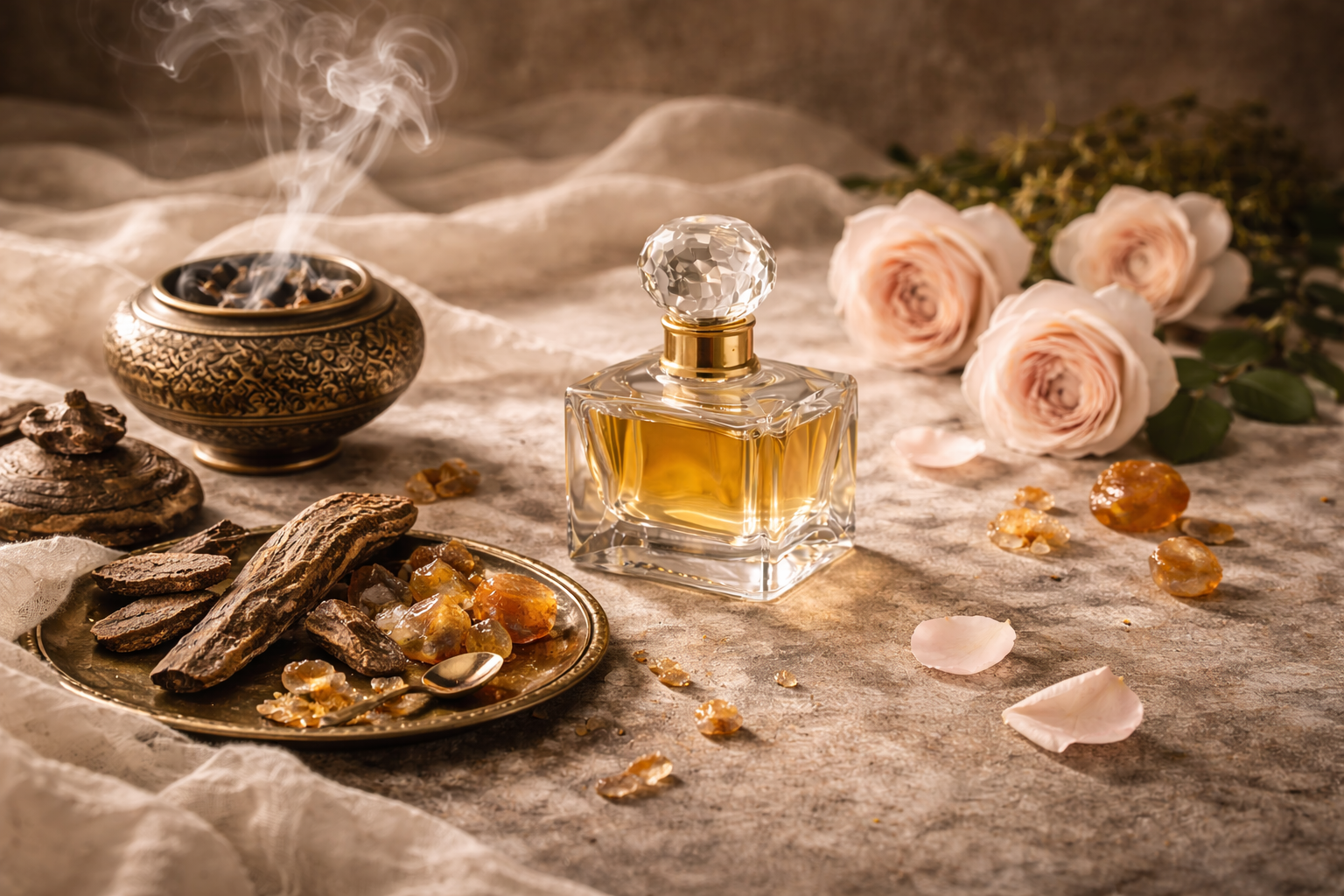
The Middle East is perhaps the beating heart of global fragrance culture, where perfume is woven into the very fabric of existence. Here, scent is synonymous with hospitality. It is customary in many Arab households to welcome guests not just with coffee and dates, but with the burning of bakhoor or oud wood. The fragrant smoke wafts towards the guest, scenting their clothes and hair as a sign of high esteem and honor. This ancient ritual of “fumigation” roots the guest in the sanctity of the home and cleanses the air of negativity.
Layering is another essential aspect of these cultural perfume traditions. It is rarely enough to spray a single bottle of eau de parfum. Instead, the ritual involves a meticulous application of scented oils, followed by creams, and finally, a spray fragrance. This creates a unique, multidimensional aura that is personal to the wearer. The heavy use of musk, rose, amber, and saffron reflects a preference for perfumes that announce one’s presence and leave a trail, or “sillage,” that lingers long after the person has departed. It is a bold declaration of identity, asserting one’s place in the world through the power of smell.
South Asian Traditions and Attar Culture
In South Asia, the approach to fragrance is deeply intertwined with the natural world and spiritual devotion. The history of perfume rituals here is dominated by the art of Attar (or Ittar) natural perfumes distilled from flowers, herbs, spices, and barks into a base of sandalwood oil. Unlike alcohol-based sprays, these oils are rich, subtle, and sit close to the skin, reacting to body heat to slowly bloom throughout the day. The ritual of applying attar is intimate; a dab is placed on the pulse points, often behind the ear or on the wrist, serving as a personal reminder of beauty and divinity rather than a loud projection.
Fragrance also plays a pivotal role in the sacred geography of India. Temples are awash with the scents of jasmine, marigold, and incense, creating an atmosphere distinct from the mundane world outside. During weddings, turmeric and sandalwood pastes are applied to the bride and groom, not just for their cosmetic benefits, but to purify and bless the couple. The scent of henna, earthy and cooling, marks celebrations and joy. In this context, perfume is medicinal and magical, a substance that heals the body and elevates the spirit, grounding the user in centuries of botanical wisdom.
European Perfume Heritage
Moving westward, European perfume heritage paints a picture of evolution from royal exclusivity to modern self-expression. Historically, the courts of France and Italy were the epicenters of fragrance, where scented gloves and pomanders were used to mask the odors of unwashed bodies and city streets. Over time, however, perfume evolved into a refined art form, particularly in regions like Grasse, France. The ritual here became one of seduction and status. Wearing a bespoke fragrance was a signal of wealth and taste, a way to distinguish oneself from the common crowd.
Today, the European approach to fragrance in different cultures is often characterized by the concept of the “signature scent.” It is less about the communal sharing of incense and more about curation of the self. The morning ritual of spritzing perfume is the final step in dressing, an invisible armor worn to face the day. It is a personal pleasure, a moment of luxury that defines individual style. Whether it is a fresh citrus cologne in the Mediterranean summer or a warm vanilla in the depths of a Nordic winter, the choice of scent is a deliberate act of fashioning one’s persona.
East Asian Minimalism and Scent Awareness
In contrast to the heavy, trailing scents of the Middle East or the complex florals of Europe, East Asian scent rituals often emphasize minimalism, restraint, and harmony. In cultures such as Japan, strong perfume can sometimes be viewed as an intrusion into the personal space of others. Therefore, the tradition leans towards subtle, transparent scents that smell of cleanliness, rain, tea, or soft blossoms like cherry and plum. The goal is not to mask one’s natural scent but to enhance it slightly, maintaining a balance with the environment.
The Japanese art of Kodo, or “The Way of Incense,” is a prime example of high culture scent ritual. It is a ceremony of “listening” to incense rather than just smelling it. Participants gather in silence to appreciate rare fragrant woods, engaging in a meditative practice that requires deep focus and mindfulness. This elevates fragrance from a mere accessory to a tool for spiritual awakening and mental clarity. It reflects a broader cultural appreciation for the transient and the subtle, finding profound beauty in a scent that is barely there.
The Emotional Role of Chypre Scents in Cultural Memory
Within the vast genealogy of fragrance families, few hold as much historical and emotional weight as the Chypre. Originating from the island of Cyprus, these scents are built on a structure of citrus top notes, a labdanum heart, and a mossy, animalic base. They represent a bridge between the fresh outdoors and the sensual indoors. In many cultures, these earthy, complex compositions are associated with maturity and sophistication. They are the scents of the matriarchs and patriarchs, the smells that children associate with the comforting embrace of a loved one dressed for a special occasion.
The enduring appeal of this family lies in its ability to evoke nostalgia. When we explore variations like the chypre sublime, we are tapping into a lineage of scent that feels both vintage and timeless. This particular fragrance profile often serves as an olfactory anchor in cultural memory, reminding us of eras where perfume was thick, resinous, and unapologetically grand. It connects the wearer to a legacy of elegance, proving that while trends fade, the emotional architecture of a well-crafted scent remains standing.
Modern Global Rituals and Personal Scent Identity
As the world becomes increasingly interconnected, the boundaries between these distinct traditions are blurring, giving rise to modern global rituals. A person in New York might burn traditional Japanese incense for meditation, while someone in Tokyo might wear a heavy French oud for a night out. Globalization has democratized access to ingredients and styles that were once geographically locked. This cross-pollination allows individuals to curate their own rituals, mixing and matching cultural influences to create a scent identity that is entirely unique.
This modern era has also seen a resurgence of interest in the ritualistic aspect of application. We see a return to slow perfumery—taking the time to apply oils, to understand the notes, and to appreciate the artistry. People are moving away from mindlessly spraying and are instead treating fragrance as a moment of self-care and grounding in a chaotic world. It is a reclamation of the ancient idea that perfume is medicine for the soul, regardless of where the tradition originated.
FAQs
Why is perfume considered a ritual in many cultures?
Perfume moves beyond simple grooming to become a ritual because it marks a transition in state or space. In many cultures, the act of applying scent is a way to prepare the mind and body for a specific role whether that is prayer, marriage, or social engagement. It serves as a sensory boundary that separates the sacred from the profane, or the public self from the private self. The repetitive nature of the application creates a sense of order and continuity, linking the individual to their ancestors who performed the exact same actions with the same ingredients centuries prior.
How do cultural beliefs shape fragrance choices?
Cultural beliefs dictate not only when perfume is worn but what kind is acceptable. For example, in cultures that emphasize community and hospitality, strong, projecting scents are favored because they are meant to be shared with everyone in the room. Conversely, in cultures that value privacy and individual space, lighter, “skin scents” are preferred to avoid imposing on others. Religious beliefs also play a huge role; for instance, the use of alcohol-free attars in many Islamic traditions is a direct result of religious guidelines, shaping an entire industry of oil-based perfumery.
Are perfume rituals still relevant today?
Absolutely, perfume rituals remain highly relevant, though they have adapted to modern lifestyles. While we may not all be performing elaborate incense ceremonies daily, the “ritual” has shifted to the personal realm. The morning spray before work, the special bottle saved for date nights, or the comforting scent worn to sleep are all modern iterations of ancient practices. These small acts still serve the same fundamental purpose: to alter our mood, project our identity, and connect us to a moment in time.
How has globalization influenced scent traditions?
Globalization has acted as a vast melting pot for scent traditions, making exotic ingredients like oud, vetiver, and yuzu household names across the world. It has allowed for a fusion of styles, where Western perfumery techniques are applied to Eastern ingredients and vice versa. This exchange has enriched the global olfactory palette, allowing people to experience and adopt rituals that were once foreign to them. It has fostered a greater appreciation for the diversity of human expression through scent.
Can perfume be a form of cultural expression?
Perfume is undeniably a potent form of cultural expression. Just as food, music, and clothing tell the story of a people, so does scent. A bottle of fragrance captures the climate, the agriculture, the trade routes, and the aesthetic values of its culture of origin. By wearing a scent associated with a specific tradition, an individual honors that heritage. It is a sensory artifact that carries the weight of history, allowing the wearer to communicate their background or their appreciation for a culture without speaking a single word.
Conclusion
The exploration of perfume rituals in different cultures reveals a universal truth: we are all seekers of beauty and connection. Whether through the smoke of incense in a Kyoto temple, the dab of rose oil in a bustling Delhi market, or the mist of a designer fragrance in a Paris boutique, we are all engaging in the same human impulse to adorn our lives with meaning. These rituals, ancient and modern, ground us. They remind us that we are part of a larger story, connected to those who came before us by the fragile, invisible thread of scent.

As you reach for your bottle tomorrow morning, take a moment to consider the history resting in your palm. Think of the hands that harvested the flowers, the distillers who captured the essence, and the centuries of tradition that have dictated how and why we wear fragrance. By acknowledging these cultural stories, we transform a daily habit into a conscious act of appreciation, keeping the magic of these global traditions alive in our own small way.