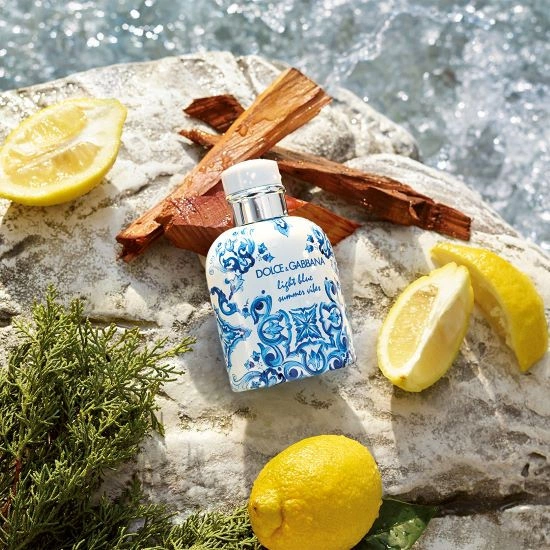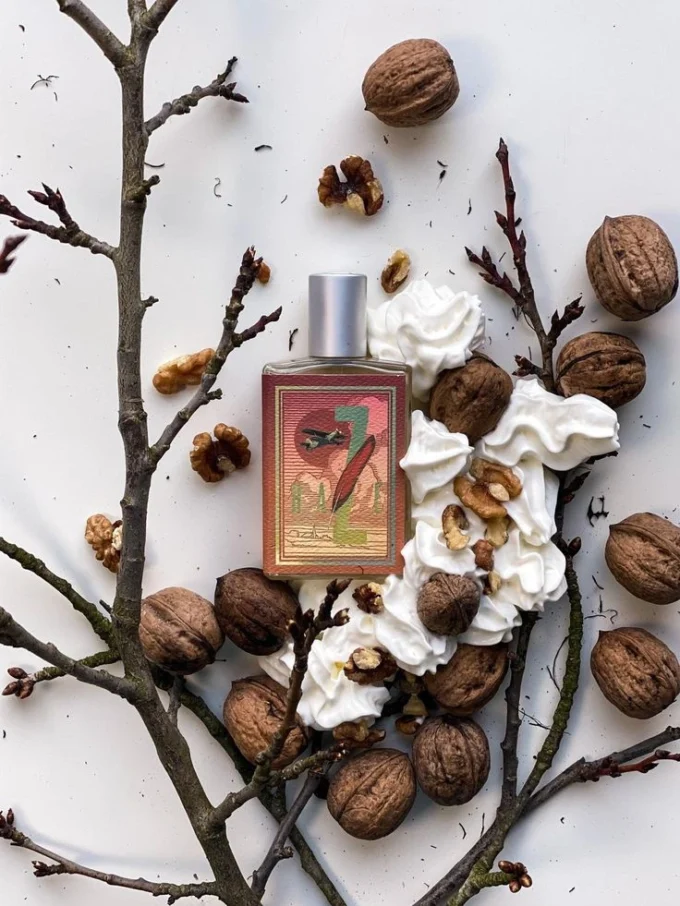


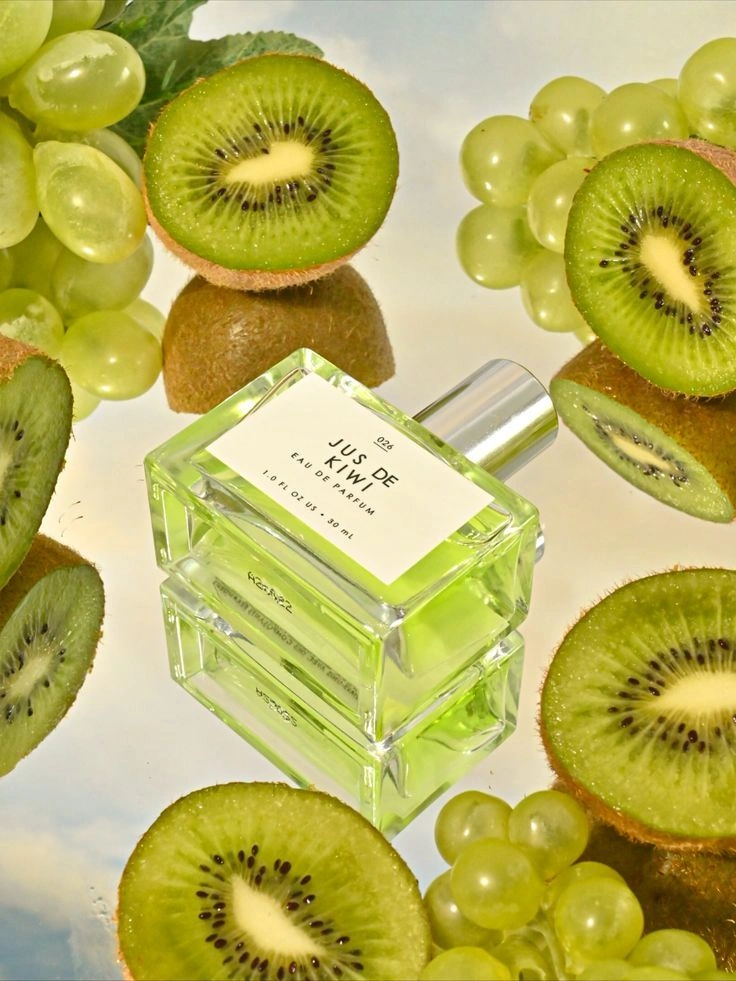
Having one signature scent sounds simple in theory. You find a fragrance you love, wear it every day, and let it become part of your identity. But in real life, that idea can quietly become limiting. A scent that works during a calm afternoon may not feel right at a formal dinner, a crowded office, or a summer event. Whether it is a perfume for men or a perfume for women, expecting one fragrance to fit every situation usually creates more restriction than freedom. Fragrance works best when it adapts to your environment, mood, and energy, which is why a true fragrance for every occasion is often less about one perfect bottle and more about flexibility.
Why people stick to one scent
Most people do not choose a signature scent because they deeply analyzed fragrance families or perfume structure.
They choose it because it feels familiar.
Maybe somebody complimented them once. Maybe the scent became tied to a specific memory or period in life. Sometimes it simply becomes routine because buying new fragrances feels overwhelming.
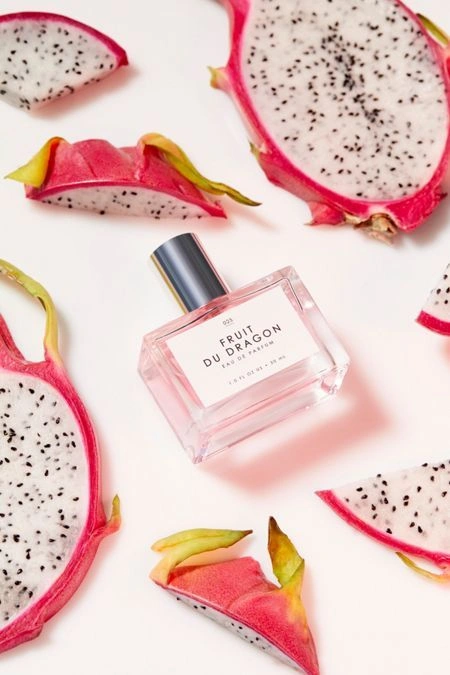
Once people find a perfume they enjoy, they often stop exploring completely.
That attachment feels comfortable, especially with fragrance. Scent connects strongly to memory, identity, and emotion. Wearing the same perfume every day can create a sense of consistency that feels reassuring.
But perfume is not static.
Different perfume notes behave differently depending on weather, body chemistry, environment, and time of day. A fragrance that feels smooth and elegant during winter might feel heavy during summer. A soft daytime scent may completely disappear during an evening event.
That is why relying on one fragrance for everything rarely works as perfectly as people expect.
Even the best perfume for all occasions still changes depending on where and how you wear it.
Where the limitation shows up
The problem with one fixed scent isn’t obvious at first.
It shows up slowly.
Your fragrance may feel too strong in some places, too weak in others, or stop matching your mood but you keep wearing it out of habit.
That’s when a signature scent starts feeling limiting.
A fragrance should support your environment, not fight against it.
For example:
• Heavy woody fragrances may feel overwhelming during hot afternoons
• Fresh citrus scents may disappear too quickly at formal night events
• Sweet gourmand perfumes can feel too intense in professional settings
• Light floral scents may feel too soft during colder weather
Perfume notes change with temperature, humidity, skin, and surroundings.
A scent that feels balanced indoors can project differently outside.
Still, many expect one perfume to work everywhere.
The issue isn’t the fragrance – it’s treating scent as fixed instead of flexible.
Understanding how perfume notes change everything
One of the biggest reasons fragrance feels inconsistent across situations is because of perfume notes.
Every perfume develops in layers.
Top notes
These are the first scents you notice after spraying perfume. They are usually fresh, bright, or airy.
Examples include:
• Citrus
• Bergamot
• Green apple
• Fresh herbs
• Lemon
• Grapefruit
These notes create first impressions but fade relatively quickly.
Middle notes
Middle notes shape the personality of the fragrance.
Common middle notes include:
• Rose
• Jasmine
• Lavender
• Cinnamon
• Cardamom
• Ylang-ylang
These notes stay longer and define the emotional feel of the scent.
Base notes
Base notes create depth and longevity.
Popular base notes include:
• Musk
• Vanilla
• Amber
• Sandalwood
• Oud
• Patchouli
• Cedarwood
These are the notes that linger for hours after application.
Learning about perfume notes changes the way people think about fragrance. You stop seeing perfume as one fixed smell and start understanding how it evolves throughout the day.
That evolution is exactly why flexibility matters.
What you start missing
Wearing one perfume limits how fragrance can match your moods and moments.
You stop noticing variety.
Different scents create different effects – calming, energetic, warm, or confident.
But using only one daily makes the experience repetitive.
You might not realize how different scents work in different moments:
• Citrus energizes mornings
• Musk comforts quiet days
• Woody scents suit evenings
• Florals fit spring
• Amber works in cold weather
Many people stick to one category out of habit.
But fragrance should move with life, not stay fixed.
Why “one scent” became such a popular idea
The idea of having a signature scent became popular because it feels elegant and memorable.
People like the idea of being associated with one recognizable fragrance.
And honestly, there is nothing wrong with that.
A familiar scent can absolutely become part of your identity.
But the fragrance industry also pushed the idea heavily because it encourages emotional attachment to specific perfumes.
Phrases like:
• “Find your forever fragrance”
• “Your one signature scent”
• “The perfume that defines you”
make fragrance feel permanent.
Personal style changes constantly.
Clothes, routines, moods, and environments all shift – so scent preferences do too.
Treating fragrance as flexible doesn’t make it less personal. It makes it more honest.
A more flexible way to think
Instead of forcing one fragrance for everything, think in categories.
You don’t need a big collection – just a small rotation works better than one fixed perfume.
A practical fragrance rotation could include:
A fresh daytime scent
Something clean and easy for work, errands, or casual settings.
A warm evening fragrance
A deeper scent for dinners, events, or nights out.
A seasonal perfume
A fragrance that works especially well during summer or winter.
A comfort scent
A soft, familiar fragrance for relaxed days.
This removes pressure from one perfume doing everything.
Each scent has a role.
You start choosing based on how notes behave in real life.
That’s when fragrance feels intentional without becoming complicated.
What changes when you let go of “one scent”
The biggest change is freedom.
You stop forcing one fragrance to define you and start choosing based on the moment.
Some days you want fresh scents, other days warm or floral.
It becomes more flexible and natural.
You also start noticing how mood, weather, and environment change what works best.
The pressure drops, and fragrance becomes part of your lifestyle – not a fixed identity.
Flexibility makes fragrance feel more personal
Having more than one scent often makes fragrance feel more authentic.
Real life is layered.
No single perfume fits every version of you – work, home, or special occasions all carry different energy.
Fragrance works best when it reflects those shifts.
A true fragrance for every occasion isn’t one perfume for everything, but adaptable choices for different moments.
Conclusion
A signature scent brings comfort, but one fragrance can’t fit every moment.
Perfume changes with mood, weather, and setting.
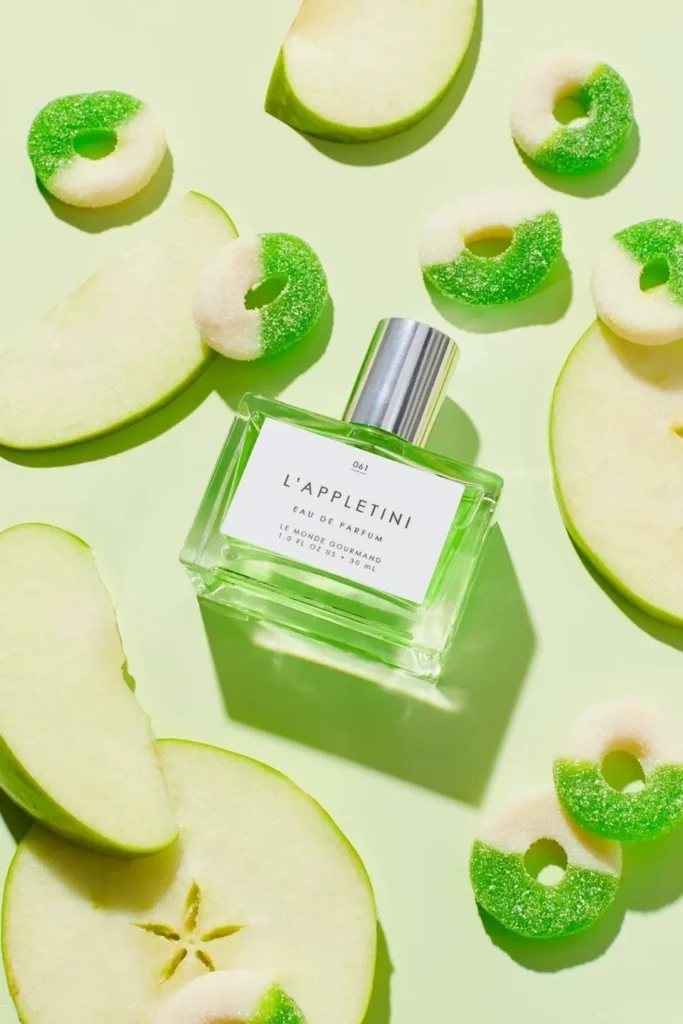
Match your scent to the moment, not your identity.
Let it evolve with your life.
FAQs
- What is a signature scent?
A fragrance consistently worn and associated with your identity.
- Can one perfume work for every occasion?
Not always – most perform differently based on weather and setting.
- How do perfume notes work?
They unfold in layers: top, middle, and base notes.
- Should I own multiple perfumes?
Yes, even a small collection adds flexibility.
- Is it okay to switch perfumes?
Yes – switching helps match scent to mood and situation.